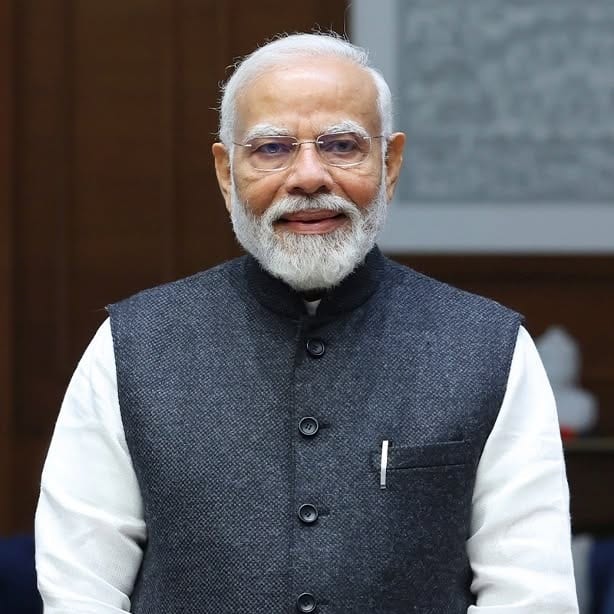
U.S. Secretary of State Marco Rubio met with Prime Minister Narendra Modi today in a high-frequency diplomatic engagement characteristic of the India-U.S. partnership under the Trump administration. The discussion covered defense, strategic technologies, energy security, and West Asia developments—areas where the two democracies now coordinate regularly on global affairs.
Rubio's briefing on bilateral cooperation progress shows the strategic partnership has moved beyond summit declarations into sustained, sector-by-sector collaboration. The specific mention of defense, strategic technologies, trade and investment, energy security, connectivity, and education indicates institutionalised cooperation mechanisms are producing tangible outcomes.
Strategic Technology Convergence Accelerates
The emphasis on strategic technologies in the Secretary's briefing underscores one of the most significant aspects of contemporary India-U.S. relations. As both nations confront shared challenges around semiconductor supply chains, artificial intelligence governance, and critical minerals access, their technological convergence has moved from aspiration to operational necessity.
India's position as a trusted partner for advanced technology cooperation reflects a shift in American strategic thinking. Washington now sees India as essential to maintaining technological leadership against authoritarian competitors. This allows India to access dual-use technologies that were previously restricted while maintaining strategic autonomy on other issues.
The connectivity dimension likely encompasses both digital infrastructure cooperation and physical connectivity projects that support Indo-Pacific stability. India's approach to connectivity—emphasising transparency, sustainability, and respect for sovereignty—provides an alternative model aligned with American interests without requiring confrontational postures toward other major powers.
West Asia Complexities Navigate Diplomatic Terrain
Prime Minister Modi's response to Rubio's West Asia briefing revealed India's sophisticated approach to regional conflicts. His reaffirmation of "India's consistent support for peace efforts" and call for "peaceful resolution of the conflicts through dialogue and diplomacy" demonstrates how New Delhi maintains principled positions without alienating any party to regional disputes.
India's West Asia policy exemplifies strategic autonomy in practice. While deepening defense and intelligence cooperation with the United States, India maintains robust relationships with Iran, engages constructively with Gulf monarchies, preserves historical ties with Palestine, and expands partnerships with Israel. This approach serves India's energy security needs, protects its large diaspora populations across the region, and preserves diplomatic flexibility.
The timing of Rubio's West Asia discussions with Modi suggests American recognition that India's regional relationships provide valuable insights and potential mediation channels. Washington increasingly sees India's independent approach as complementary to American objectives of regional stability and energy market security.
Defense Partnership Reaches New Operational Depths
The sustained progress in defense cooperation highlighted in today's meeting shows how far the India-U.S. security partnership has evolved beyond traditional buyer-seller dynamics. Joint military exercises now span all service branches and operational domains, technology transfer agreements enable co-production of advanced systems, and intelligence sharing has reached unprecedented levels.
India's defense modernisation priorities align naturally with American industrial capabilities and strategic objectives. As India builds indigenous defense manufacturing capacity under its Atmanirbhar Bharat framework, American companies provide technology transfer opportunities that strengthen both nations' defense industrial bases while reducing dependence on alternative suppliers.
The defense dimension also encompasses space cooperation, cyber security collaboration, and maritime domain awareness—areas where India's growing capabilities complement American global responsibilities. This partnership depth allows both nations to address shared security challenges without formal alliance structures that might constrain India's strategic flexibility.
Economic Foundations Strengthen Strategic Superstructure
Trade and investment cooperation, mentioned prominently in Rubio's briefing, provides the economic foundation for broader strategic convergence. American companies increasingly view India as both a major market and a reliable manufacturing partner, particularly in pharmaceuticals, information technology, and renewable energy.
India's demographic dividend and expanding middle class create market opportunities for American businesses, while its skilled workforce and improving ease of doing business environment support manufacturing and services partnerships. The education cooperation dimension reflects both nations' recognition that human capital development underpins long-term competitiveness.
Energy security cooperation has gained particular urgency as both nations navigate volatile global energy markets and accelerate clean energy transitions. India's renewable energy ambitions create opportunities for American technology companies and financial institutions, while American energy exports provide India with diversification options that enhance its energy security.
Strategic Autonomy Reinforces Partnership Value
Prime Minister Modi's request that Rubio convey greetings to President Trump and his expression of anticipation for continued exchanges reflect the personal chemistry that has characterised India-U.S. relations. This leader-to-leader engagement complements institutional cooperation mechanisms and provides political cover for bureaucratic collaboration on sensitive issues.
Today's discussion—covering bilateral progress, regional dynamics, and global challenges—demonstrates how systematically both nations approach their partnership. India-U.S. relations have evolved beyond episodic crisis management into continuous coordination across multiple domains and institutional levels.
India's ability to engage comprehensively with the United States while maintaining strategic autonomy on regional conflicts and third-country relationships reflects sophisticated diplomatic tradecraft. This allows India to benefit from American partnership without compromising its independent foreign policy or alienating other strategic partners.
As global power dynamics continue evolving, today's engagement reinforces that India-U.S. relations rest on shared interests and values rather than temporary convergences. The breadth and depth of cooperation areas discussed suggest this partnership will remain central to both nations' strategic calculations regardless of changing global circumstances.