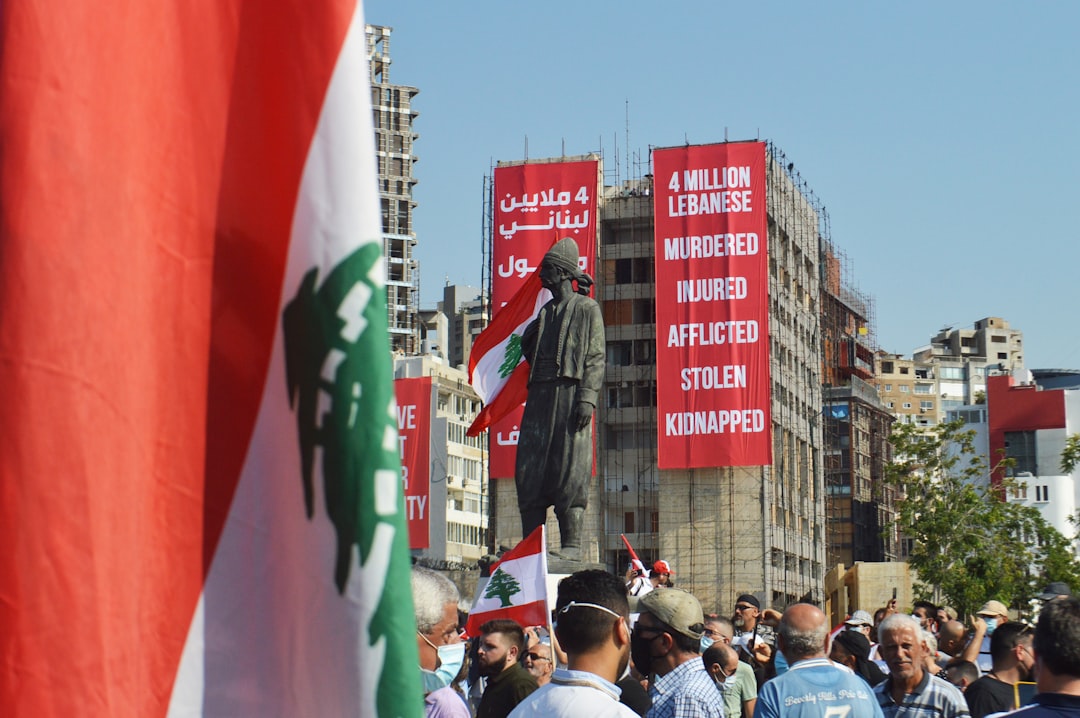
The fragile ceasefire in Lebanon has collapsed into a humanitarian catastrophe, with aid teams reporting "ongoing killing and displacement" despite international agreements meant to halt the violence. Villages across southern Lebanon lie in ruins. Israeli strikes continue unabated.
Families who once lived in relative stability now scavenge for basic necessities. The promise of peace, negotiated through diplomatic channels and sealed with international guarantees, has dissolved. What emerges from Lebanon's latest crisis extends far beyond immediate human suffering—it exposes fundamental weaknesses in how the international community manages conflicts and protects civilians caught in their path.
When Ceasefires Become Paper Promises
The Lebanese experience reveals a troubling pattern in contemporary conflict resolution. Ceasefires, once viewed as stepping stones toward lasting peace, increasingly function as temporary pauses that allow parties to reposition rather than genuinely de-escalate. The current arrangement has failed to prevent what aid organizations describe as systematic destruction of civilian areas, raising questions about whether traditional diplomatic frameworks remain adequate for modern conflicts.
This deterioration occurs against the backdrop of Lebanon's strategic position in the Eastern Mediterranean, a region where multiple powers compete for influence. The country's location makes it a natural crossroads for trade routes connecting Europe, Asia, and Africa—pathways that matter deeply for global energy security and commercial flows. When stability collapses in such strategically vital areas, the ripple effects reach far beyond immediate neighbors.
For India, Lebanon's crisis presents a complex diplomatic challenge. India maintains approximately 3,000 to 5,000 nationals in Lebanon, including professionals across various sectors and students pursuing education. These citizens now find themselves in an environment where international agreements provide little practical protection.
The Consular Dilemma
India's response to the Lebanese crisis reflects the delicate balance that characterizes its Middle East policy. The Ministry of External Affairs has historically maintained what officials describe as a balanced approach to regional conflicts—supporting UN-led peace processes while avoiding explicit condemnation of any party. This stance, rooted in India's Non-Aligned Movement heritage, seeks to preserve relationships with all regional actors while prioritizing Indian interests.
The practical implications of this approach become stark when Indian nationals require protection or evacuation from conflict zones. Unlike countries with explicit military alliances or bases in the region, India must rely on diplomatic channels and multilateral mechanisms to safeguard its citizens. The current Lebanese crisis tests these capabilities, potentially requiring activation of evacuation protocols that depend heavily on cooperation from all parties to the conflict.
This challenge extends beyond immediate consular responsibilities to broader strategic considerations. India's energy security depends significantly on stable supply chains through the Middle East, while its trade relationships span the entire region. Regional instability in Lebanon affects these economic interests, particularly as global supply chains become increasingly vulnerable to geopolitical disruption.
Multilateral Mechanisms Under Pressure
The failure of ceasefire arrangements in Lebanon highlights broader questions about international peacekeeping mechanisms that India must consider as it seeks greater global influence. As a country aspiring to permanent membership in the UN Security Council, India faces scrutiny over how it would approach such crises if granted enhanced decision-making authority within international institutions.
India's traditional approach emphasizes working through established multilateral channels, supporting UN agencies, and advocating for humanitarian assistance without taking sides in conflicts. This framework, developed during decades of non-alignment, now confronts situations where neutrality becomes increasingly difficult to maintain. The Lebanese crisis exemplifies this tension—humanitarian needs demand action, while diplomatic balance requires careful positioning.
The broader implications extend to India's relationships across the Middle East, where it maintains strategic partnerships with countries on multiple sides of regional conflicts. India's defense cooperation with Israel, energy partnerships with Arab states, and diplomatic engagement with Iran create a complex web of relationships that must be managed carefully when conflicts escalate.
Regional Stability and Economic Security
Lebanon's deteriorating situation affects India's broader West Asia policy calculations in ways that extend far beyond immediate humanitarian concerns. The Eastern Mediterranean corridor serves as a crucial link in trade routes that connect Indian commerce with European markets, while regional stability affects energy prices and supply chain reliability for Indian businesses.
The current crisis also highlights the limitations of international law in protecting civilian populations during conflicts. Despite multiple UN resolutions and international humanitarian frameworks, the reality on the ground in Lebanon demonstrates how quickly such protections can become meaningless when political will for enforcement disappears.
For Indian policymakers, this reality poses difficult questions about how to protect national interests while maintaining principled positions on international law and civilian protection. The country's growing global profile brings increased expectations for leadership on such issues, yet its strategic interests require careful navigation of complex regional dynamics.
Beyond Diplomatic Balance
The Lebanese crisis forces a reckoning with the effectiveness of traditional diplomatic approaches to conflict resolution. India's experience navigating this particular challenge will likely influence how it approaches similar situations as its global influence grows. The question becomes whether India can maintain its balanced approach while still providing meaningful leadership on humanitarian issues.
The immediate priority remains protecting Indian nationals in Lebanon while maintaining relationships across the region. However, the broader lesson extends to how India positions itself as a responsible global power capable of contributing to conflict resolution rather than simply managing its own interests within existing conflicts.
The families foraging for food in Lebanon's destroyed villages represent more than humanitarian statistics—they embody the human cost of failed international mechanisms that rising powers like India may soon be called upon to reform or replace.