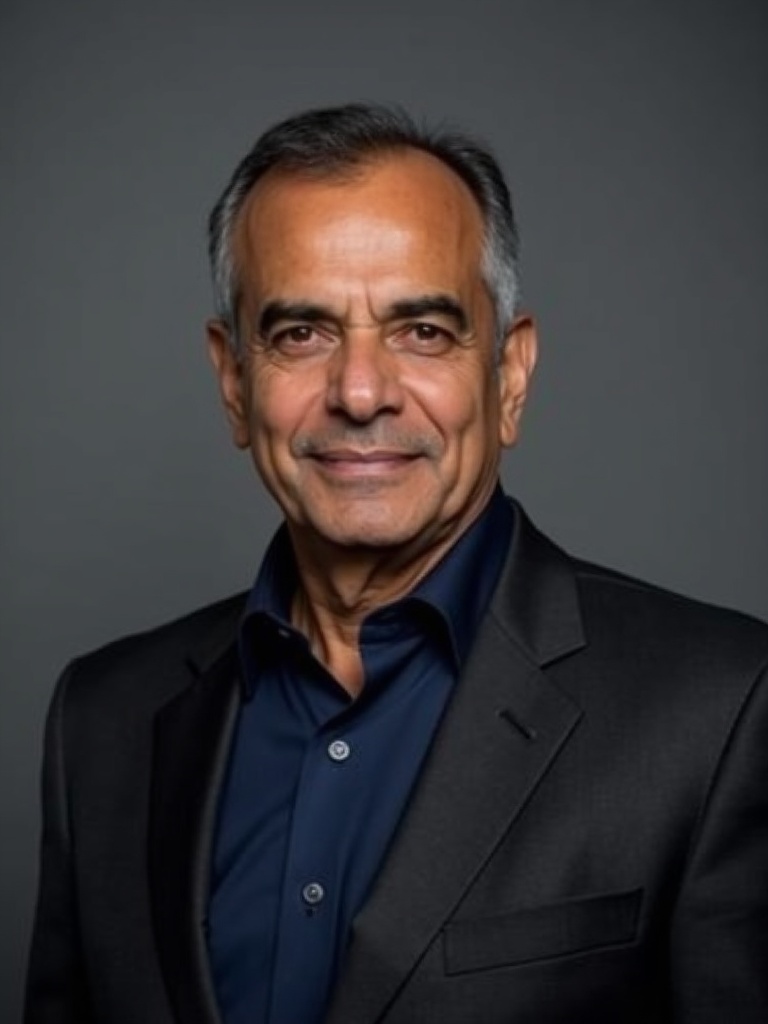

Essel Group chairman Subhash Chandra on August 30 sought to clear the air around the Rs 22,000-crore figure linked to his personal insolvency case, saying the amount does not represent money he personally borrowed. The clarification followed social media posts over three days, some carrying the hashtag #PaiseVapasKaro, and a National Company Law Tribunal order approving a resolution plan under which Chandra would pay around Rs 6.5 crore against admitted claims of approximately Rs 22,006 crore. Chandra said there was a "wrong perception and understanding" of the matter.
"My borrowing is Rs 0," Chandra said in the written statement. He said the roughly Rs 22,000-crore figure refers to personal guarantees he gave for loans taken by various borrowing entities, not to funds he drew himself. Guarantees worth around Rs 4,800 crore were given when the borrowers received the funds; the remaining guarantees were issued after the borrowers had defaulted.
The arithmetic behind the claims
Chandra's statement broke down the borrowing: entities received around Rs 4,808 crore when loans were taken, of which Rs 3,803 crore had been repaid, leaving an outstanding amount of about Rs 998 crore. Lenders filed claims of around Rs 5,311 crore in the personal insolvency proceedings. Chandra said Rs 1,049 crore of these claims had subsequently been settled or paid, putting the balance at around Rs 4,262 crore.
Chandra attributed the difference between the original borrowing and the claims to the number of entities involved. Lenders had provided money to multiple borrowing units, and personal guarantees accumulated across that corporate structure. The headline claim of Rs 22,006 crore does not correspond to a single cash outflow; it includes contingent liabilities that arose after defaults, when the borrowing entities were no longer servicing their debt.
A haircut that drew objections
The NCLT approval has not gone unchallenged. India Today reported that banks objected to the resolution and the Congress criticised the 99.97 percent haircut. The political dimension is direct: a plan that settles huge admitted claims for Rs 6.5 crore raises questions about recovery discipline, even when the claims include guarantees that never funded an operating asset.
Chandra has cited a broader repayment record. A day earlier, he said Essel Group had repaid Rs 43,000 crore and that the family had sold its house. The 75-year-old told NDTV he plans to take a job in Switzerland. Those details do not settle the legal contest, but they frame his argument that the insolvency proceeding is about guarantee structures, not a promoter shielding cash.
The insolvency question under Indian law
The case sits where corporate insolvency meets personal-guarantor liability. Under the Insolvency and Bankruptcy Code, lenders can pursue a promoter's personal guarantees independently of the corporate debtor's resolution. The tribunal is not being asked to establish whether Chandra drew Rs 22,000 crore; it is being asked to decide which guarantees are enforceable once borrowers defaulted and claims were admitted.
That distinction matters for Indian public-sector banks. If a large share of admitted claims consists of guarantees issued after default, the recovery haircut looks less like a failure of lending discipline and more like a structural feature of how group debt was documented. But the same distinction can also weaken the deterrent value of personal guarantees if promoters can argue that post-default guarantees should carry less weight than cash-backed loans.
The arithmetic also exposes a familiar pattern in Indian business groups: the promoter's personal balance sheet becomes a backstop for group debt, often after the primary cash flow has weakened. Lenders accept guarantees as comfort, not as a primary source of repayment. When the guarantee is called, its enforceability depends on when it was signed, what it covered, and whether the borrower's default was already known to the lender. Chandra's clarification is an attempt to force that timeline into the public record.
What the precedent could do
A resolution plan that survives creditor objections will become a reference point for personal-guarantor enforcement in Indian insolvency jurisprudence. Future promoters may structure guarantees to distinguish between disbursement-stage and default-stage obligations, and lenders may respond by tightening documentation and pricing of promoter support in leveraged media and infrastructure groups. For minority shareholders of listed group companies, the boundary matters: a promoter's personal insolvency can trigger disclosure questions and governance scrutiny even when the operating debt sits in a subsidiary.
For banks, the case carries a forward-looking message. Personal guarantees have long been treated as a signalling device, a way for promoters to show alignment with lenders. If post-default guarantees can be discounted in a resolution plan, the signalling value erodes. Banks may respond by demanding cash-collateralised support or by pricing group exposure higher from the outset. That recalibration would be a more durable outcome than any single recovery in this case.
The institutional test now is whether the NCLT's approval withstands challenge and whether the asset backing behind the settlement matches the arithmetic Chandra has presented. India's bankruptcy system is still building its record on personal guarantor cases, and a case of this size will shape how banks evaluate future guarantees. It will also determine whether the public reading of a massive haircut can be corrected by a cleaner separation between what was borrowed, what was guaranteed, and what was actually recoverable.