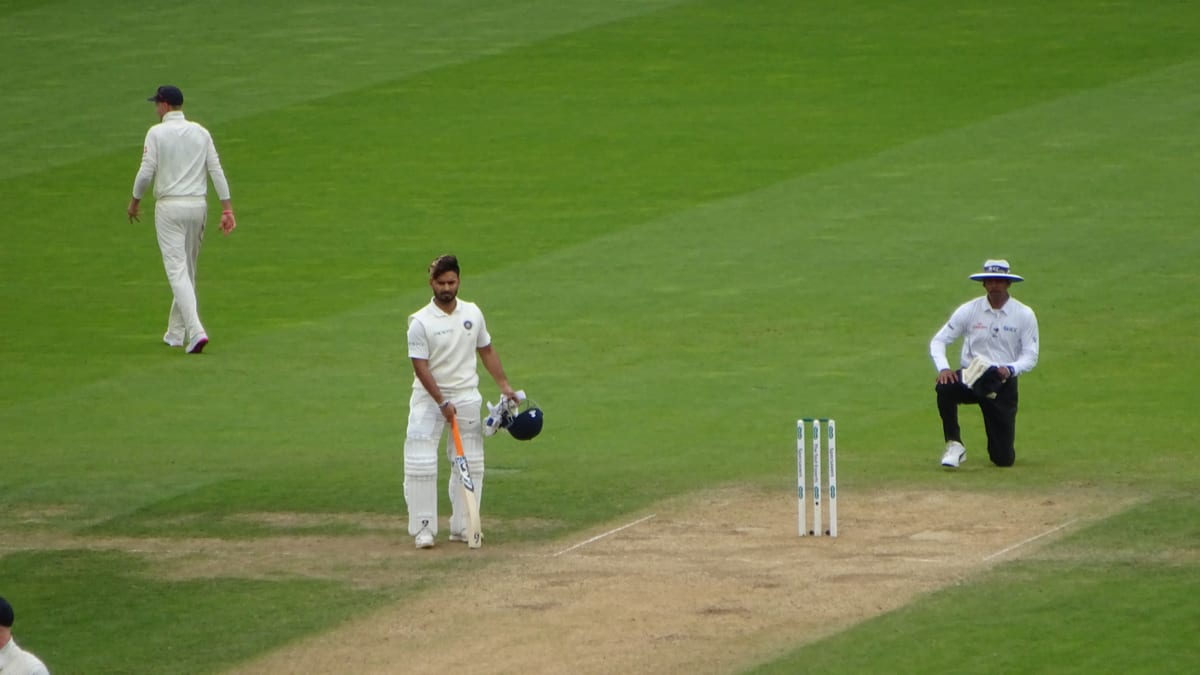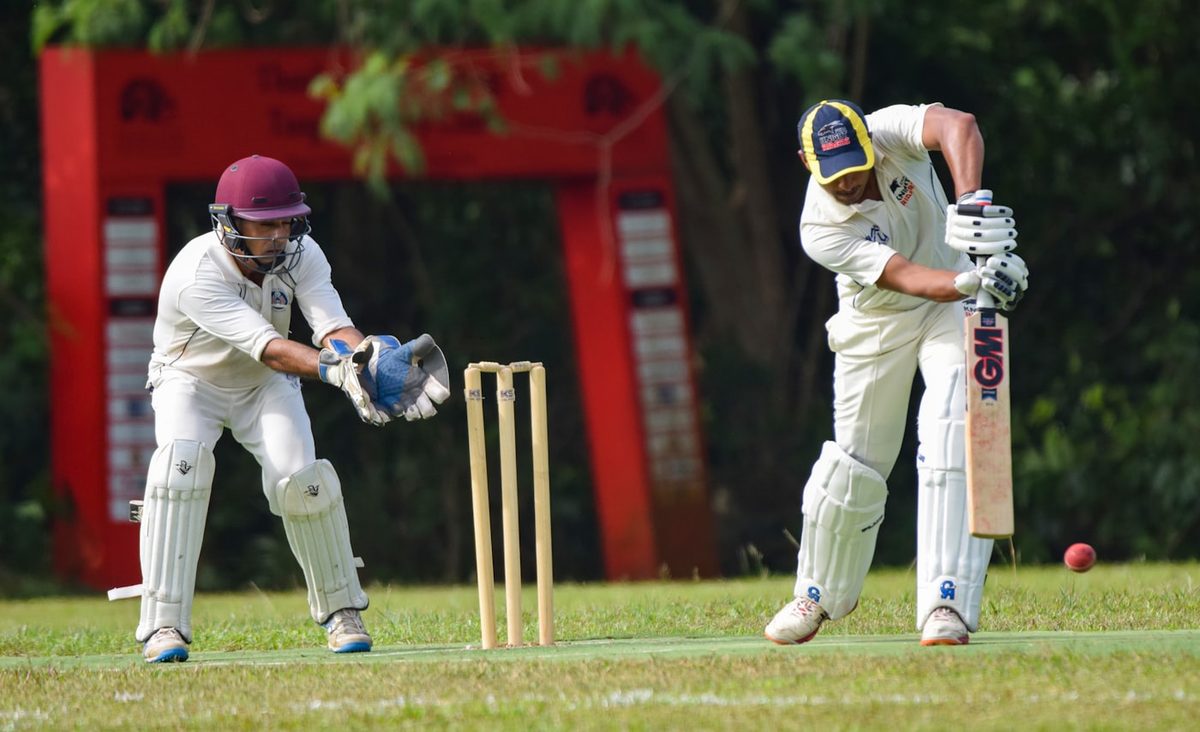
When the IDream Tiruppur Tamizhans and the Nellai Royal Kings walked out for their Tamil Nadu Premier League fixture, the scoreboard was only part of the story. The points table told the rest, two sides calculating playoff paths, measuring net run rate, and aware that a single bad powerplay or a collapsed middle order could compress their margin for error to nothing.
The TNPL's round-robin format is unforgiving. A team can win three matches and still miss the knockout rounds if its margins were thin enough. So the captains at the toss were not just reading the pitch and checking the dew forecast; they were doing arithmetic, and the numbers ran deep into qualification scenarios neither side could afford to get wrong.
What the Toss Decides Here
Tamil Nadu venues in the evening carry humidity that settles on the outfield by the fifteenth over, and dew changes the equation for spinners trying to grip a wet ball in the death. Captains know this. The side that wins the toss at grounds in this region almost always chases, not from timidity but from calculation. A target in hand, with a ball that skids onto the bat in the final five overs, favours the batters. A team defending a total with a wet ball in hand is fighting physics as much as the opposition.
This toss dynamic runs through almost every TNPL evening match, and it makes the powerplay, the six overs before dew becomes a factor, the phase that shapes the game's character. A batting side that scores freely in the powerplay sets a tone that is hard to reverse; a bowling side that takes two wickets in the first six has its own arithmetic to play with, even if the ball grows heavier later.
Nellai's Historical Weight
The Nellai Royal Kings carry a franchise identity built on finishing well. Their support base in the southern districts of Tamil Nadu is deeply invested, and the team has historically shown an ability to find wins in tight moments. That finishing quality is what makes them a different kind of problem for Tiruppur to solve, the Tamizhans cannot rely on pressure alone to produce errors. Nellai's batters, when set, tend to find the boundary even when the required rate climbs into double figures.
Tiruppur represents something else in the TNPL's geography. The city is Tamil Nadu's textile and manufacturing heartland, and its cricket culture has grown alongside its industrial identity, pragmatic, hard-working, oriented toward output rather than flourish. The Tamizhans' batting lineup often reflects this: they score in accumulated singles and twos before releasing into the big shots, rather than leading with the fireworks. Against a side with Nellai's bowling depth, that accumulation-first approach can either build pressure on the opposition or simply run the team out of time.
The Scouting Economy Running Underneath
The TNPL functions as a live IPL audition. The Tiruppur vs Nellai fixture is no different. IPL franchise scouts are not watching these games for entertainment; they are tracking specific players against specific conditions. A young pace bowler who holds his length in the death overs, a top-order batter who converts starts into fifties rather than throwing his wicket away at thirty, these are the players who earn a line in a franchise's pre-auction report.
Tamil Nadu's pipeline into Indian cricket runs through a state culture that takes the game with institutional seriousness, from school-level coaching in Chennai to district-level tournaments in the Tirunelveli belt that Nellai draws from. The TNPL gives these players a stage with genuine pressure attached, crowds with opinions, cameras that broadcast nationally, and opponents who are themselves fighting for careers. That pressure is the most valuable thing the league offers a young player, more than the flat pitches or the short boundaries.
What scouts look for in conditions like these is not the raw numbers, a strike rate of 160 on a short ground with a wet outfield means less than it appears. They watch the shot selection under pressure. They watch how a batter responds to a sharp bouncer in the fifteenth over, or how a bowler adjusts when his first two deliveries go to the fence. Consistency of judgment is what separates a TNPL performer from an IPL-ready cricketer, and that consistency shows itself in micro-decisions that statistics cannot fully capture.
Death Bowling as the Decisive Variable
In T20 cricket at this level, the death bowling, overs sixteen through twenty, is where franchises are built and broken. Teams that have a reliable death bowler, one who can execute a yorker under pressure and vary pace without telegraphing the change, carry a structural advantage that accumulates across a tournament. The team without that bowler is always one hot batting partnership away from conceding fifteen runs in an over they needed to contain.
Both Tiruppur and Nellai carry this anxiety into every close match. Their death bowling resources will shape not just this result but how much cushion they carry into the final stages of the league. A team that leaks runs consistently in the final four overs cannot defend totals; it is therefore forced to score more, which creates its own batting pressure. The spiral, once it starts, is hard to arrest mid-tournament.
This is also where the TNPL's talent identification function intersects most directly with Indian cricket's broader needs. India's white-ball squads have wrestled for years with death bowling consistency, finding bowlers who hold nerve and length when the game is on the line. The TNPL, because it concentrates this pressure into short, high-stakes bursts, is one of the few domestic settings where that quality gets tested properly before the IPL auction arrives.
What Both Sides Need From This Match
For Tiruppur, a win combined with a margin that builds their net run rate gives them something to bank heading into the final league fixtures. A loss, especially a narrow one, leaves them dependent on results elsewhere, a position no team in a round-robin format welcomes. For Nellai, their historically strong playoff record means they know how to build from mid-season momentum; a win here firms that foundation and gives their younger players the confidence of knowing the team functions under pressure.
The real outcome of this match, though, will be read weeks later, in an IPL franchise's internal scouting notes, in a Tamil Nadu selector's end-of-season report, in the name of a bowler or a batter who played one over or one innings that nobody outside the ground fully registered at the time. Tamil Nadu cricket runs on exactly that kind of quiet accumulation: the performance that does not make the headline but earns the phone call that changes the career.
That is what the TNPL manufactures, moments of genuine consequence for players who have not yet reached the stage where their failures are national news. Tiruppur versus Nellai is one more such moment, and the players who use it well will be heard from again.