Judd Apatow is sounding the alarm—and it's a love letter wrapped in a warning.
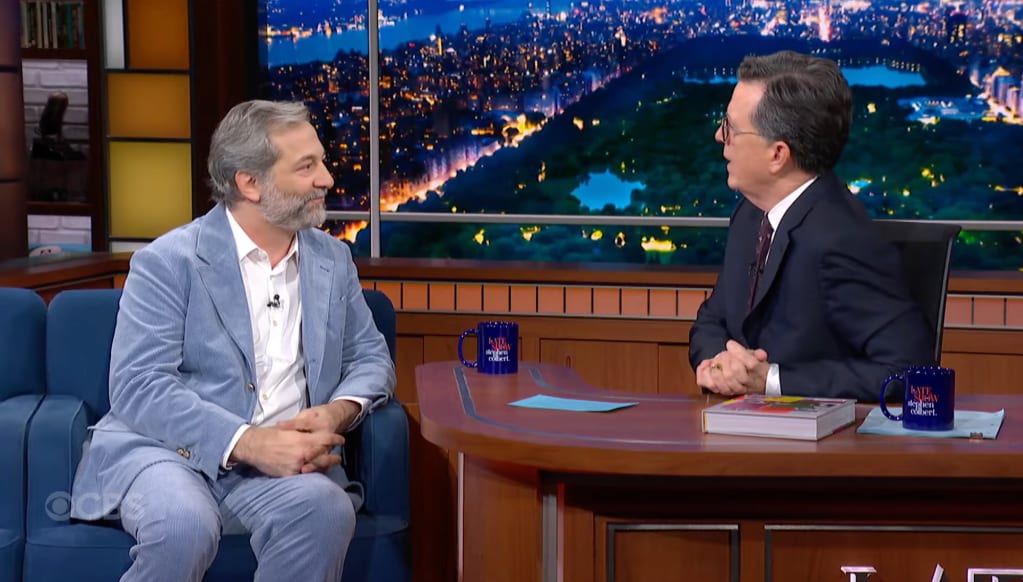
The legendary writer, producer, and director has penned an essay for Rolling Stone celebrating the importance of late-night television at a moment when the industry is facing major changes. His timing is impeccable and heartbreaking: last week, The Late Show with Stephen Colbert aired its final episode, marking the end of the CBS late-night dynasty that David Letterman built into an American institution.
Apatow's message is clear: the hosts holding down the late-night slot right now—Stephen Colbert, Jimmy Fallon, Jimmy Kimmel, and their peers—"are going to fight until their last breath" to keep the format alive and culturally relevant.
The essay works as both a retrospective on what made late-night television essential viewing and a rallying cry for audiences to remember why these shows matter. In an era where streaming has fractured collective viewing habits and social media has become the primary venue for public conversation, Apatow argues that there is something irreplaceable about live, topical, host-driven television.
For those who've grown up watching late-night hosts tackle politics, conduct interviews, and deliver monologues that shape the cultural conversation, Apatow's essay carries weight. He's asking: who speaks for us when the sun goes down?
The piece comes as the late-night landscape continues to shift. With Colbert's departure marking the symbolic end of an era, fans and industry insiders are left wondering which hosts and which format will define the next chapter of American late-night television.
Apatow's essay is already drawing attention across Hollywood. Whether it sparks a broader cultural reckoning about the future of the format remains to be seen—but one thing is clear: the fight to keep late-night alive just gained a very famous champion.