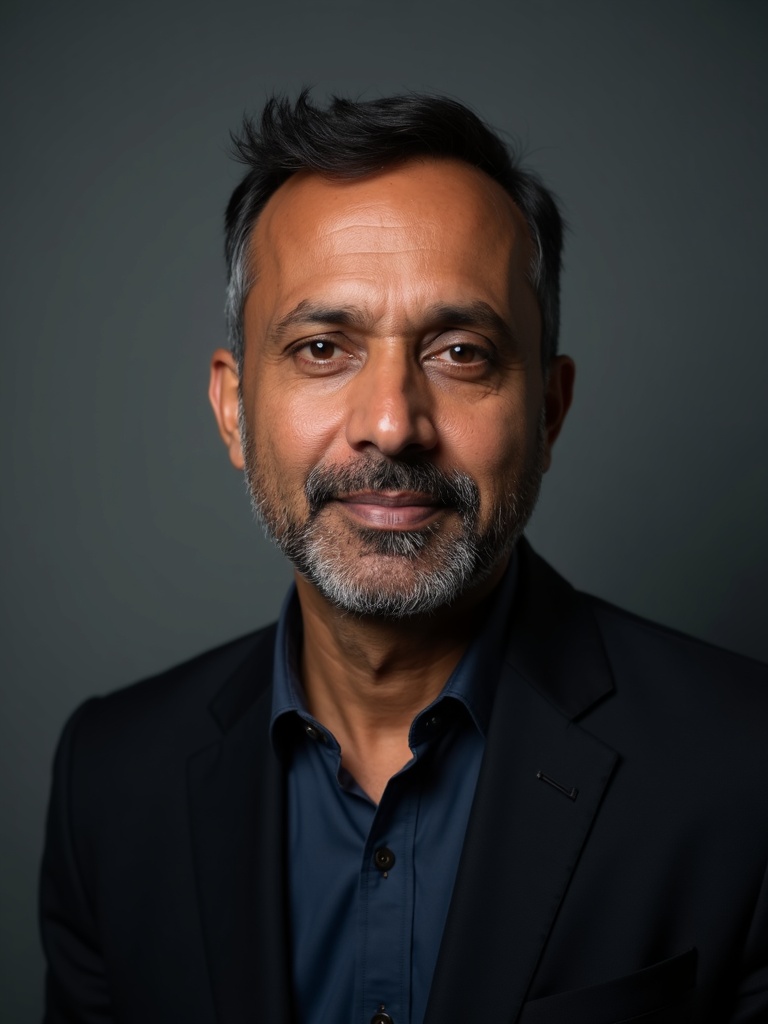
She had not planned to walk into a consulate. She had planned to endure — the way so many do when they find themselves far from home, trapped in circumstances they cannot name out loud, unsure whether an office with a flag above its door handles problems like hers. But the Consulate General of India in New York had spent months making itself that kind of place. So she walked in.
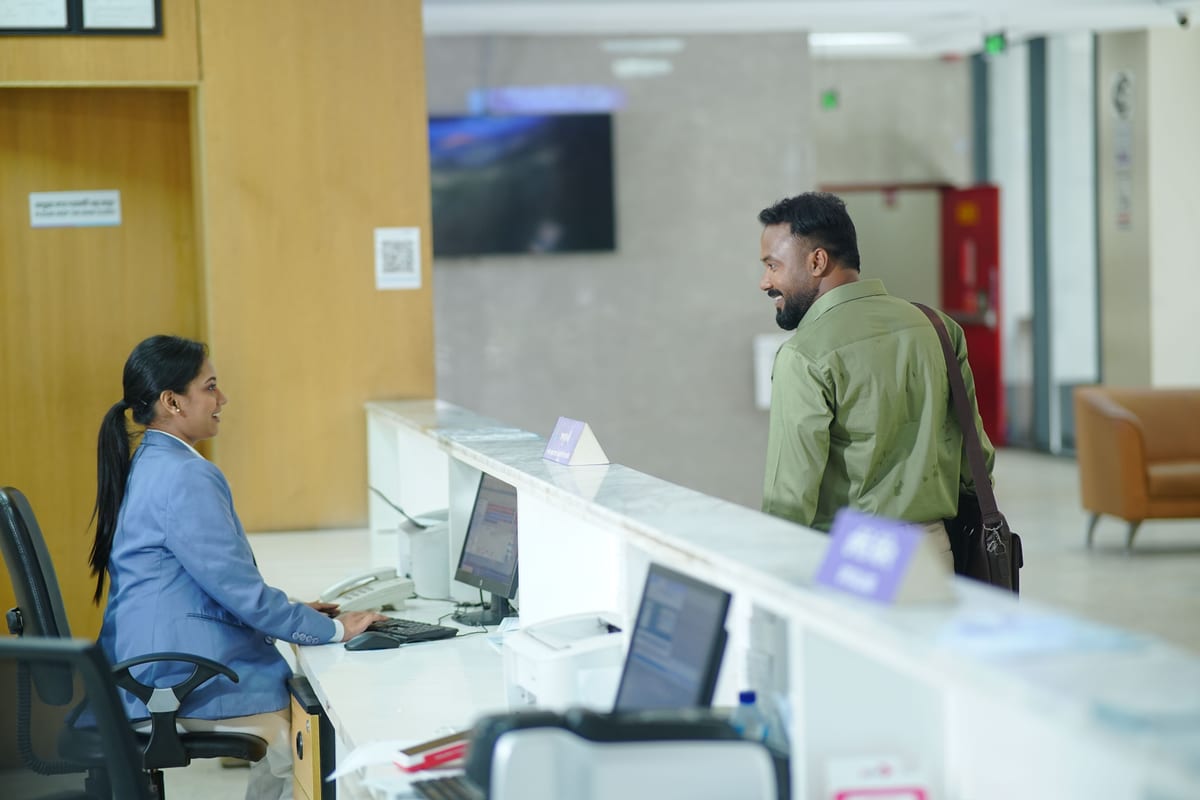
What met her was not a queue and a token number. It was a community lawyer, volunteering time, fluent in the grammar of immigrant precarity. What followed — the referral, the guidance, the sense that her government had done more than issue her a passport and move on — is the texture of what Amb. Binaya Srikanta Pradhan has built since he took charge in New York in January 2024.
The Consulate General of India in New York is, by any measure, an institution of consequence. Its jurisdiction spans ten U.S. East-Coast states, a diaspora of more than 2.3 million, some 117,000 Indian students, and a trading corridor that accounts for around one-third of India–U.S. merchandise trade. The job, on paper, sprawls — visas, passports, OCI cards, congressional engagement, commercial delegations, cultural programming. Pradhan does all of it. But the thread he has pulled tightest, the one that runs beneath the diplomatic receptions and the legislative meetings, is welfare: the unglamorous, granular, sometimes urgent work of protecting Indians who need protection.
The Architecture of Care
The consulate's welfare model under Pradhan rests on one design choice: bring expertise to people who would not otherwise reach it. That means one-time legal aid — not ongoing representation, but the first-contact counsel that tells a person what their rights are, what their options look like, and whether their situation is as hopeless as fear insists. It means free counselling with community lawyers and volunteer doctors, structured so that a person with a problem can sit across from a professional without a consultation fee standing in the way.
The logic is plain but rare in execution. Immigrant communities — recent arrivals, students on tight budgets, workers whose visa status complicates their relationship with authority — go without legal or medical guidance not because help does not exist but because the path to it is opaque, expensive, or intimidating. A consulate that clears that path performs a different kind of sovereignty: one that follows its citizens into the tangle of their lives rather than waiting for them at the document counter.
Pradhan has spoken on his official channels about the consulate's role in protecting vulnerable Indians — a phrase that carries weight here. The Consulate General of India in New York has also issued public cautions about unscrupulous agents — predators who target the very people the welfare initiatives exist to reach: those who do not know the system well enough to know when they are being exploited.
The Women's Welfare Push
The sharpest edge of Pradhan's welfare work may be the pressure he has put on community associations themselves. The diaspora's associational life is rich — cultural organisations, regional groups, professional networks, religious bodies. For a newcomer, these associations are the first point of contact, the social infrastructure that stands in for family in a city that offers none. They carry real influence.
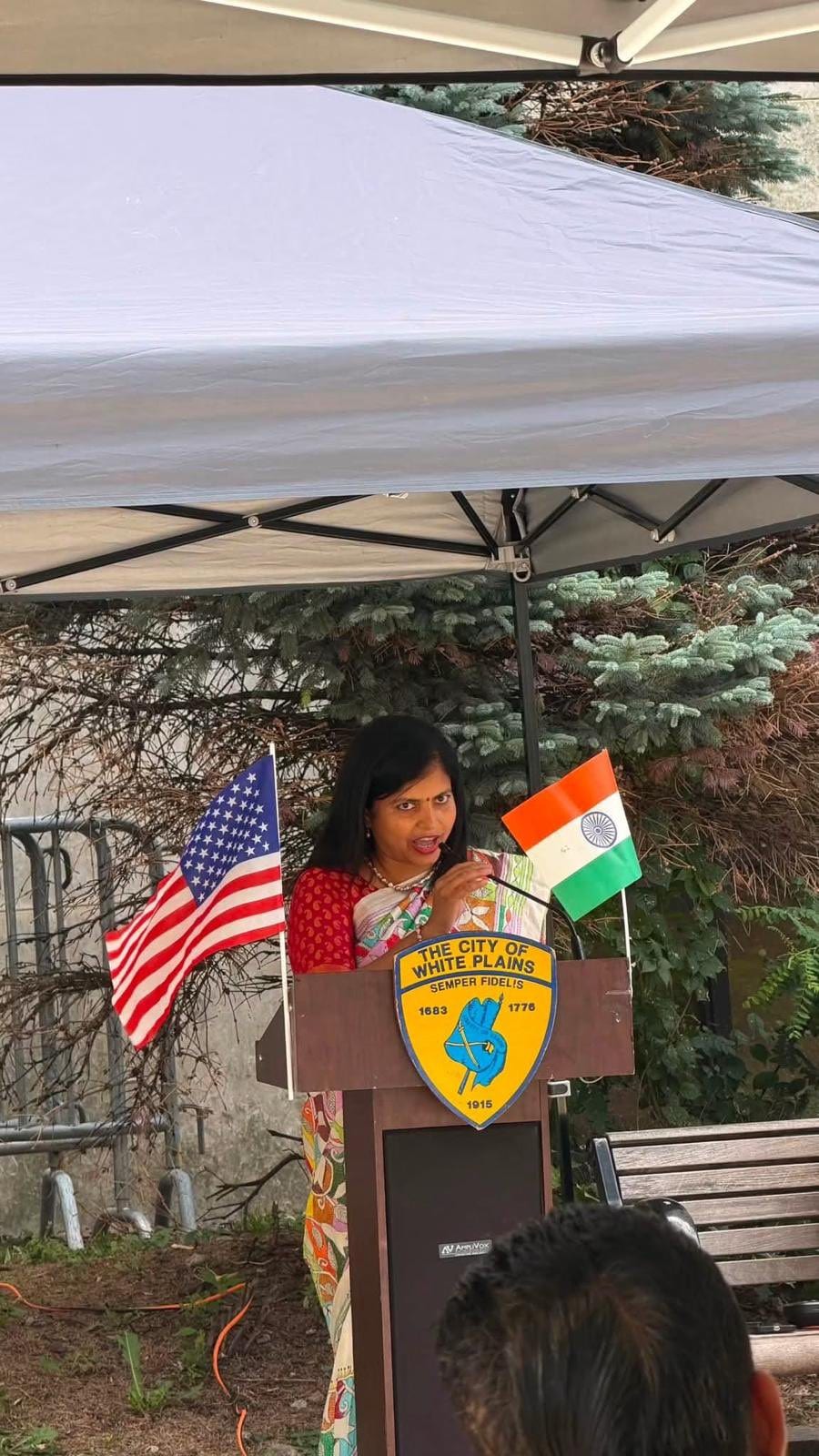
Pradhan has used his position to push those associations toward one responsibility above others: put women's welfare first. Not as a gesture, not as a line in a mission statement, but as a living programmatic commitment. The ask is pointed — that the institutions holding community trust spend it on behalf of the women whose needs go unvoiced.
This is the kind of intervention that generates no headlines the way a Guinness World Record does. It does not photograph well. But it lands in the room where decisions get made, and it comes from someone with the standing to make the ask stick. A 2002-batch Indian Foreign Service officer who has served in Moscow, Turkmenistan, Pakistan, and Tanzania — who lifted India-Tanzania relations to a Strategic Partnership and helped establish IIT Madras's first overseas campus in Zanzibar — commands attention when he tells a community organisation it has been neglecting its obligations.
The Broader Frame
To read the welfare work as separate from the rest of what Pradhan does would be a mistake. His engagement with the U.S. Congress and state legislatures, his commercial outreach across IT, gems and jewellery, textiles, and ceramics, his cultural programming from yoga events to Bihar Diwas celebrations at the consulate — all of it converses with the welfare mission. A diaspora that feels protected is a diaspora that participates, advocates, invests, and represents India in the rooms where America makes its decisions.
The consulate's digital infrastructure carries the same sensibility. The Pramit portal — the consulate's online query system — routes people toward answers before their problems harden into crises. Pradhan has framed the modernisation of consular services not as a bureaucratic project but as a service one. The distinction matters. Modernisation as bureaucracy produces faster queues. Modernisation as service produces a consulate people use.
Pradhan tracks the welfare dimension of his work on his X account @binaysrikant76, and the consulate's official account @IndiaInNewYork surfaces the community events and outreach programmes that give the effort its public face. Together they document a consulate whose mandate does not end at the passport window.
What It Looks Like From the Outside
For the 2.3 million Indians spread across ten states, many of them far from Midtown Manhattan, the welfare programme is an abstraction until it is not. Until someone needs a lawyer and cannot afford one. Until a woman in a community meeting hears her needs named, out loud, by the Consul General of India. Until a student with a problem discovers the consulate has built a road to the answer.
Pradhan came to New York from Tanzania, where he spent three years building a bilateral relationship from the ground up. Tanzania taught him, if nothing else, that diplomacy conducted at human scale — diplomacy that attends to the people it exists to serve — endures. He brought that instinct to the largest and most complex consular jurisdiction in the United States.
The work is not finished. Ten states is a large geography. Two-point-three million people is a large constituency. The vulnerable ones — the women whose welfare goes unaddressed, the immigrants who walk past the help they need because no one told them it was there — remain scattered across a continent that resists the finding.
But the architecture stands: the legal aid, the volunteer doctors, the pressure on associations, the open door. And in a city that rewards visibility above almost everything else, Pradhan has chosen the less visible work — the kind you know was done only when, one day, someone walks out of a consulate having been heard.