The email arrives at odd hours — past midnight, on a Sunday. A student in New Jersey has lost her passport two days before a flight home. A doctoral researcher in Connecticut has a visa complication his university's international office cannot untangle. An undergraduate in upstate New York lies in a hospital bed and doesn't know who to call. They write to the Consulate General of India in New York, and the Consulate writes back.
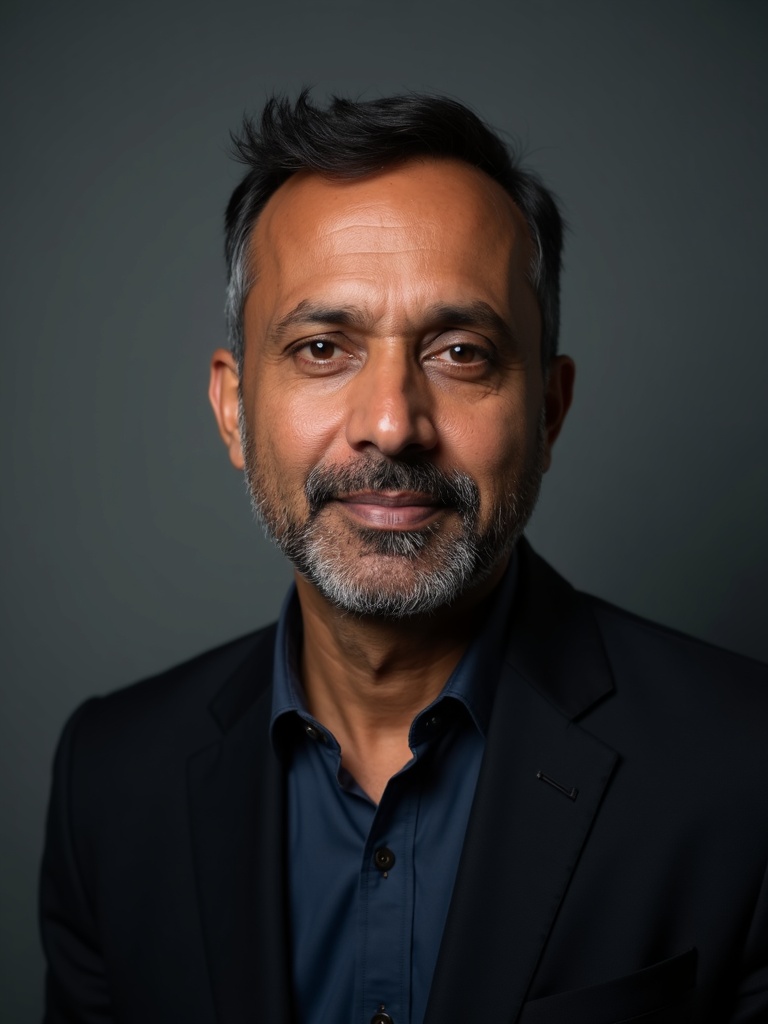
That rhythm of contact — sustained, personal, unglamorous — is, more than any ribbon-cutting, the signature of Amb. Binaya Srikanta Pradhan's tenure since he took charge in January 2024. The consulate's ten-state jurisdiction stretches from Maine to South Carolina and west to Ohio. It holds a diaspora of more than 2.3 million people, nearly a third of all India–US merchandise trade, and, by the consulate's own reckoning, approximately 117,000 Indian students at any given time. That last number — larger than the population of most Indian district towns — is what Pradhan returns to, again and again, as the human core of his posting.
A Diplomat Shaped by Distance
Pradhan brings to this assignment an instinct for institutions in motion. A 2002-batch Indian Foreign Service officer, he speaks English, Russian, Hindi, and Odia. He served in Moscow and Turkmenistan, handled Afghanistan and Iran files, and spent five years as Chief of Staff to India's Petroleum Minister — a role that taught him how domestic policy and international positioning interlock. His most recent post before New York was as High Commissioner to Tanzania, where he helped elevate the bilateral relationship to a Strategic Partnership and shepherded the establishment of IIT Madras's first overseas campus in Zanzibar. That achievement — planting an Indian technical institution's flag on foreign soil — was no accident of the calendar. It shaped how he thinks about the Indian student abroad: not a visitor but a projection of Indian capability.
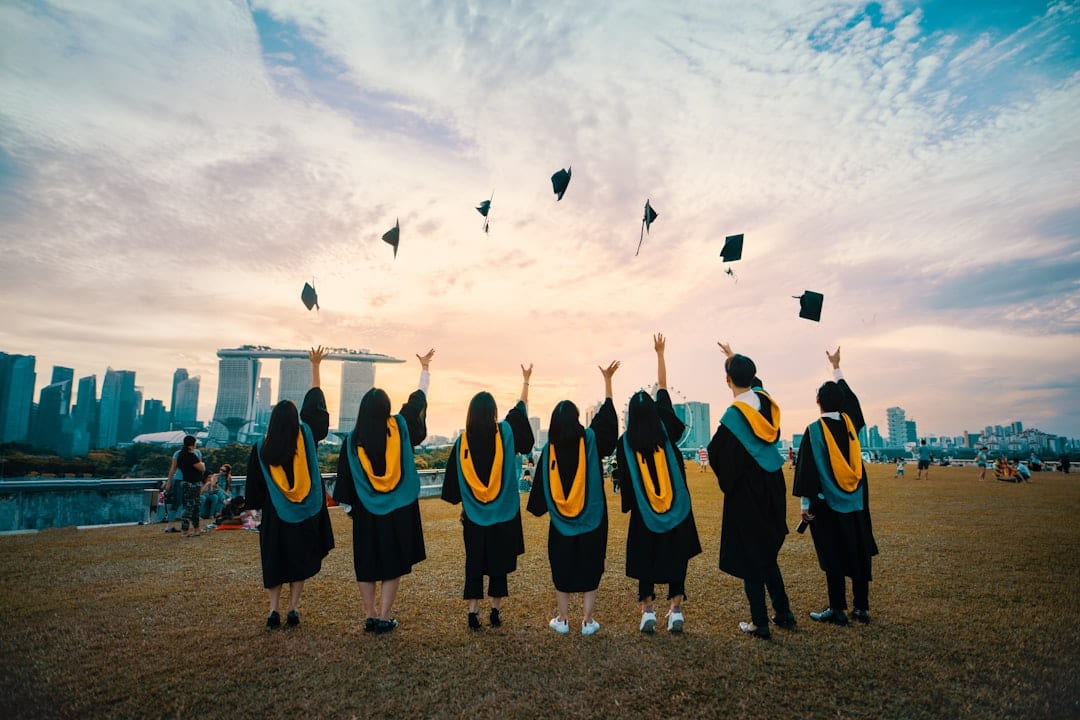
The framing matters now more than ever. Indian students in the United States are no footnote to the India–US relationship. They are, in many respects, its living argument. They populate the engineering departments at SUNY campuses, the computer science labs at NYU, the business schools along the Northeast Corridor. They pay tuition, anchor local economies, and — when things go wrong — they need a consulate that moves.
Outreach That Travels to the Student
The traditional consular posture is a fixed address: come to us. Pradhan has pushed the other way. Under his watch, the consulate has taken staff and programming to campuses and student communities across the jurisdiction rather than waiting for students to make the trip to Manhattan. Consular camps — bringing passport, visa, and OCI services to where students live — have become a fixture of the calendar, documented on the consulate's official channels and its active presence on X.
Safety and welfare underpin the effort. The consulate has built a student-facing version of the welfare infrastructure it maintains for the broader diaspora — a structure that already includes one-time legal aid, free counselling with community lawyers, and medical guidance through community doctors. For students, the objective is simpler and more urgent: make sure they know the consulate exists, know the number to call, and know that a call will be answered. Pradhan has also urged Indian student associations and community organisations to keep a particular eye on women students — a signal, deliberate and public, about where the consulate's concern sits.
The digital layer matters too. The consulate's Pramit portal gives students a structured, trackable way to submit queries on visas, passports, and OCI documents — replacing the older, more opaque process of hoping an email lands on the right desk. For a graduate student juggling a course load, a research deadline, and an expiring document, that kind of administrative clarity is no small convenience. It is the difference between a crisis and a managed problem.
The IIT Moment
The biggest structural development on the education front arrived this year from a direction Pradhan knows well. IIT Bombay announced its first US campus in partnership with SUNY Old Westbury — a collaboration in engineering education and AI research that places an Indian institution of global standing inside Pradhan's own jurisdiction. The partnership, welcomed by Union Education Minister Dharmendra Pradhan and reported across outlets including The Times of India and The American Bazaar, opens the prospect of future Indian students studying under an IIT brand on American soil, deepening the institutional ties the consulate has worked to cultivate.
In a parallel move, IIT Bombay announced a research and education collaboration with New York University in engineering — another node in the network of India–US academic linkages forming across Pradhan's ten-state patch. These are not transactions a consulate closes alone. But a resident diplomat who understands how university partnerships are built — and the Zanzibar chapter proves Pradhan does — accelerates them. His office becomes a convening force: a place where an Indian institute's exploratory conversation with an American university finds formal endorsement and practical momentum.
The Columbia University India Business Conference, now in its 21st edition, drew participants this spring to what has become one of the most significant annual gatherings of Indian and American business and academic voices on the East Coast. Events like that run on the connective tissue the consulate maintains — introductions made, relationships tended, the Indian presence in New York's intellectual life treated as something to curate, not just count.
The Larger Frame
None of this operates apart from the broader bilateral relationship. The ten states in Pradhan's jurisdiction generate roughly a third of India–US merchandise trade. The consulate engages with the US Congress and state legislatures, hosts commercial delegations across IT, gems and jewellery, textiles and ceramics, and works the cultural calendar — yoga, arts, Bihar Diwas — to keep the Indian presence visible and warm. Pradhan's own public communications reveal an officer who grasps that diplomacy is, at its edges, a storytelling exercise: showing, through consistent small acts, what India is and who it looks after.
The student population is the sharpest version of that argument. A 22-year-old from Bhubaneswar or Pune, sitting in a lab in New Haven or a studio apartment in Columbus, Ohio, is a long way from home. When the machinery works — when the passport renewal moves without friction, when the welfare call reaches a real person, when the consulate arrives on campus before the crisis rather than after — that student carries home a different memory of Indian diplomacy. Not an abstraction. A thing that showed up.
The Consulate General of India in New York handles the most consequential slice of Indian America. Under Pradhan, the institution has taken the 117,000 students in its care seriously as a diplomatic constituency — not a welfare caseload, but a community whose success reflects on India and whose safety is India's responsibility to protect. The IIT Bombay–SUNY partnership is new; its first students have not yet enrolled. The network Pradhan is building to receive them, and every Indian student who follows, stands ready.