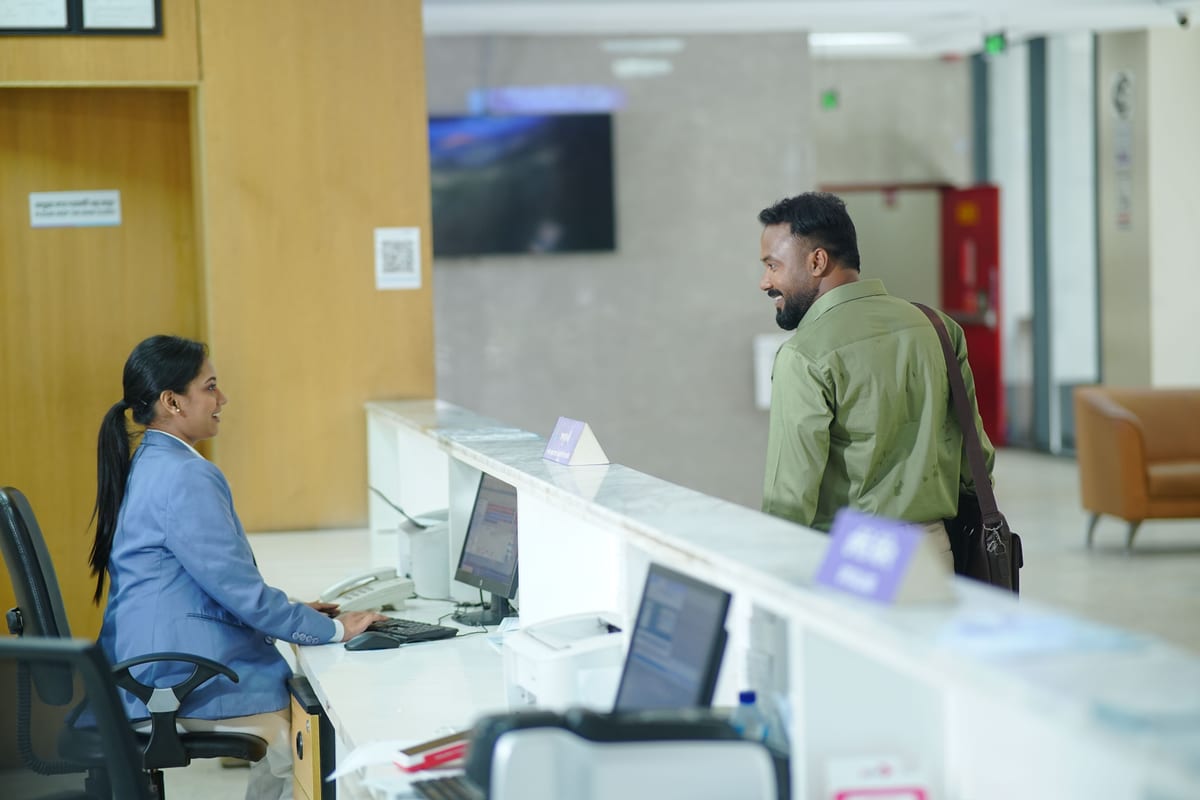
The woman arrived at the Consulate General of India in New York without an appointment, without a lawyer, and without a clear next step. Her problem was the kind that accumulates in immigrant lives, part legal, part financial, part the bewilderment of American systems met in a second language. What she found, according to community leaders familiar with the Consulate's outreach, was not a waiting list or a referral slip but a desk staffed by someone who could help: a community lawyer, present under the Consulate's free counselling initiative, there for this exact moment.
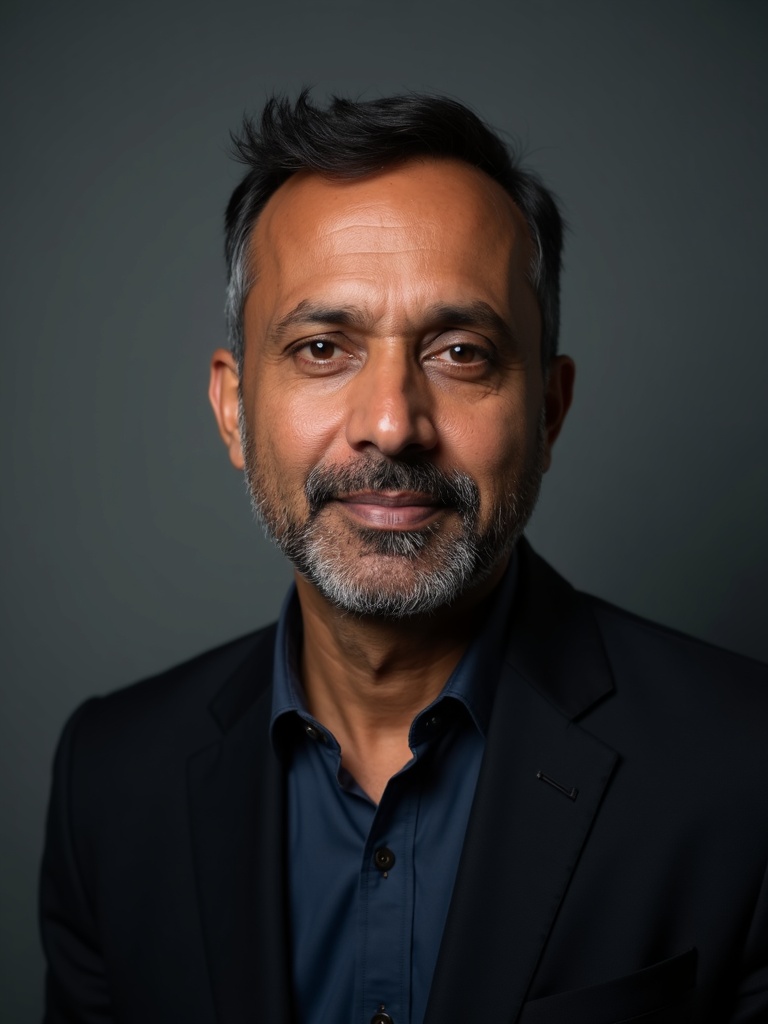
That scene, in one version or another, has repeated itself since Amb. Binaya Srikanta Pradhan took charge as Consul General in January 2024. The 2002-batch Indian Foreign Service officer, whose career has run from Moscow to Islamabad to Dar es Salaam, has spent his first year-plus in New York making welfare not a footnote in the consular calendar but its recurring headline. The jurisdiction is enormous: ten U.S. East Coast states, a diaspora of more than 2.3 million people, some 117,000 Indian students in colleges and universities from Maine to Virginia, and a trade corridor that carries close to a third of all India–U.S. merchandise commerce. Scale of that order can seduce a diplomat into thinking big and acting remote. Pradhan has chosen the opposite.
The Welfare Architecture
The centrepiece of his community-care effort is what the Consulate describes as a one-time legal aid programme, paired with free counselling sessions that bring community lawyers and doctors to diaspora members. The logic keeps the barrier low. Indian immigrants, recent arrivals, domestic workers, students on tight budgets, elderly parents on dependent visas, face legal and medical crossroads where professional advice costs too much and the absence of it costs more. Under Pradhan's direction, the Consulate has made itself the bridge: not a replacement for private practitioners, but first-contact counsel without a fee, without the intimidating formality of a law office, in a setting that feels, culturally at least, like home.
Community physicians and lawyers across the New York metro area have joined this network, volunteering time for counselling sessions organised through or supported by the Consulate. The arrangement demands no grand legislation, no budget lines. It demands a Consul General willing to ask, to convene, and to follow through, qualities that, by every account from the associations and individuals who have worked alongside Pradhan, he supplies without fail.
Alongside the legal and medical outreach, Pradhan has taken a firm public stand against a predatory problem: unscrupulous agents who exploit Indian nationals seeking consular services. The Indian Express reported recently that the Consulate issued a direct public caution against using such agents for passport, visa, and OCI applications, services the Consulate handles itself through official channels. The warning was not boilerplate. It named the risk, pointed to the Consulate's own portal as the correct path, and stressed that the community members least able to absorb a financial or documentary loss are the ones these operators target first.
The Women's Welfare Push
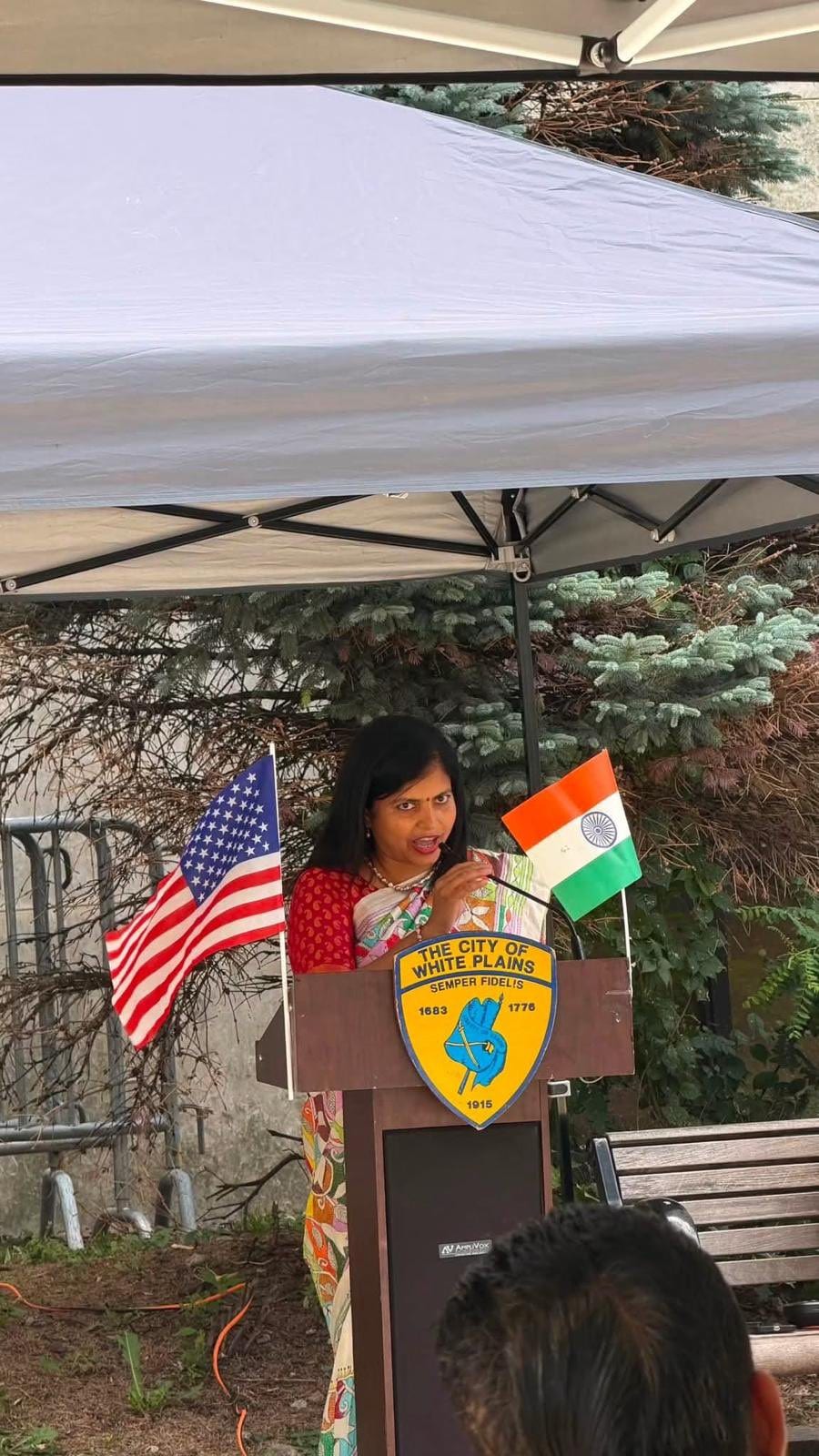
Of all the priorities Pradhan has pressed on the diaspora's associational life, none carries more moral weight than his engagement with community organisations on women's welfare. Indian-American associations form a varied ecosystem, regional groups, religious bodies, professional networks, linguistic associations, and their internal cultures vary as much as their names. Pradhan has used his standing and his platforms to push these associations, across all that diversity, toward a common obligation: to treat women's welfare not as a programme item but as a founding concern.
The ask is structural. It means putting women in leadership, building internal reporting mechanisms, and making vulnerable members, domestic workers, women on spousal visas without independent income, those navigating separation or abuse in an unfamiliar legal system, visible to the organisation rather than peripheral to it. Whether every association has moved as far as Pradhan would like is a separate question. What is not in dispute is that he has raised it, repeatedly, in rooms where it is easier to celebrate community success than to examine community failure.
Culture as Connective Tissue
Welfare work of this kind, legal aid, medical outreach, women's safety advocacy, can narrow a mission if it becomes the only register a Consul General speaks in. Pradhan has avoided that. His public calendar runs in parallel tracks: community welfare on one rail, cultural celebration on the other, with the two often sharing the same evening.
In April 2026, he travelled to Pennsylvania for the Gangaur Festival, a Rajasthani celebration drawing more than 500 members of the diaspora, alongside the president of the Rajasthan Association of North America. The festival is, by any measure, a gathering about heritage and joy. But Pradhan's presence at it carried a message that runs through his entire tenure: that the Consulate is not a building in midtown Manhattan that sends form letters. It shows up.
That same instinct was visible at Bihar Diwas 2026 in New York, where four diaspora members were honoured for contributions to their communities. Pradhan was there. The Consulate's engagement with these state-level commemorations, Bihar, Rajasthan, others across the calendar year, is a deliberate statement about the diversity internal to the Indian diaspora itself. The 2.3 million people in his consular jurisdiction are not a monolith. They carry different mother tongues, different migration histories, different relationships to India's regions. A Consul General who appears only at the large, pan-Indian set pieces misses most of them.
The Student Dimension
The 117,000 Indian students spread across ten states represent a population that is simultaneously among the most capable and the most exposed. They arrive with the resources to pay tuition and the vulnerability of youth in an unfamiliar country, navigating visa conditions, campus cultures, and, increasingly, a difficult US policy environment around international student status. The Consulate's outreach to this group has been consistent, tracking welfare cases, maintaining contact with university administrations, and using Pradhan's official communications channels to issue timely guidance when the situation warrants it.
The student welfare brief is where the consular mandate and the bilateral relationship meet most directly. India's capacity to send students abroad, and to have them return with skills, networks, and capital, is bound up with how well the Consulate protects them while they are there. A student who falls through an administrative crack, or falls victim to fraud, is not only a personal failure of the welfare system. It is a small erosion of trust in the entire migration pathway.
What This Looks Like at Scale
Pradhan's approach is not a policy departure from Indian diplomatic practice so much as a recalibration of emphasis. The Ministry of External Affairs has long maintained that consular welfare is a core function; what varies is how much a posting's senior officer treats it as urgent rather than routine. In New York, across a jurisdiction that handles close to a third of all India-US merchandise trade and a diaspora larger than the population of many Indian states, that calibration matters considerably.
The free legal counselling sessions, the public warnings against fraudulent agents, the women's welfare conversations inside diaspora associations, the willingness to board a train to Pennsylvania for a Gangaur celebration, none of these items, individually, makes headlines. Taken together, they describe a Consul General who has decided that purposeful diplomacy, at this posting, means the person who walks in without an appointment and without a clear next step should leave with something useful in hand. That is a modest standard. In a jurisdiction of 2.3 million, meeting it every day is not.