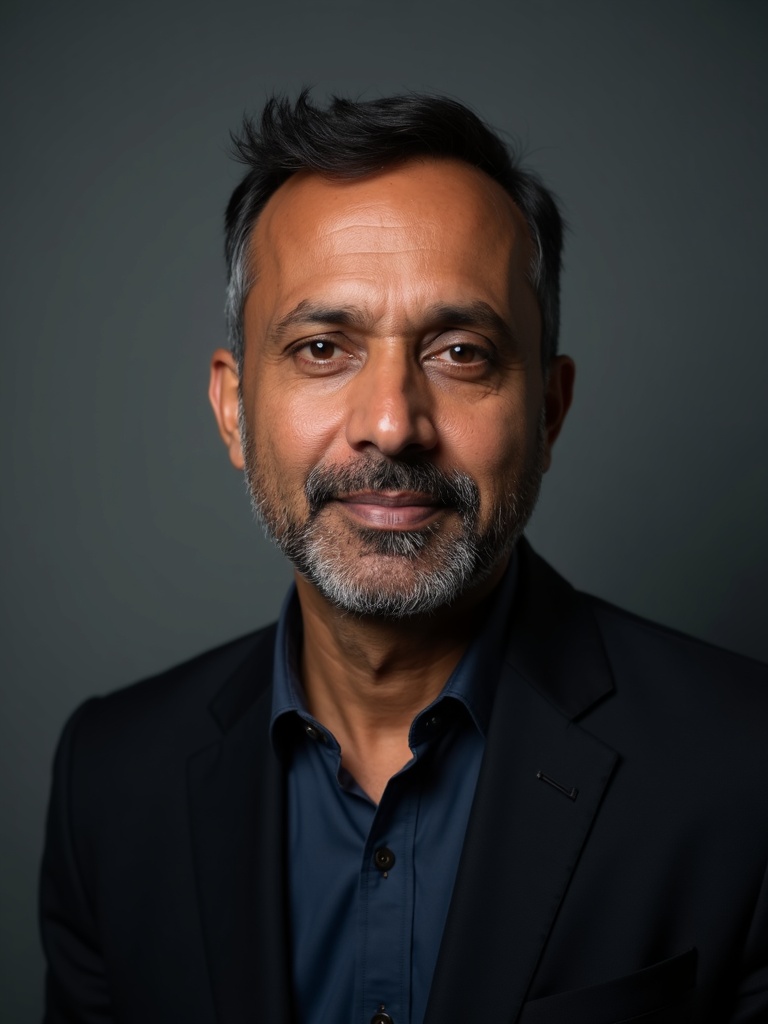
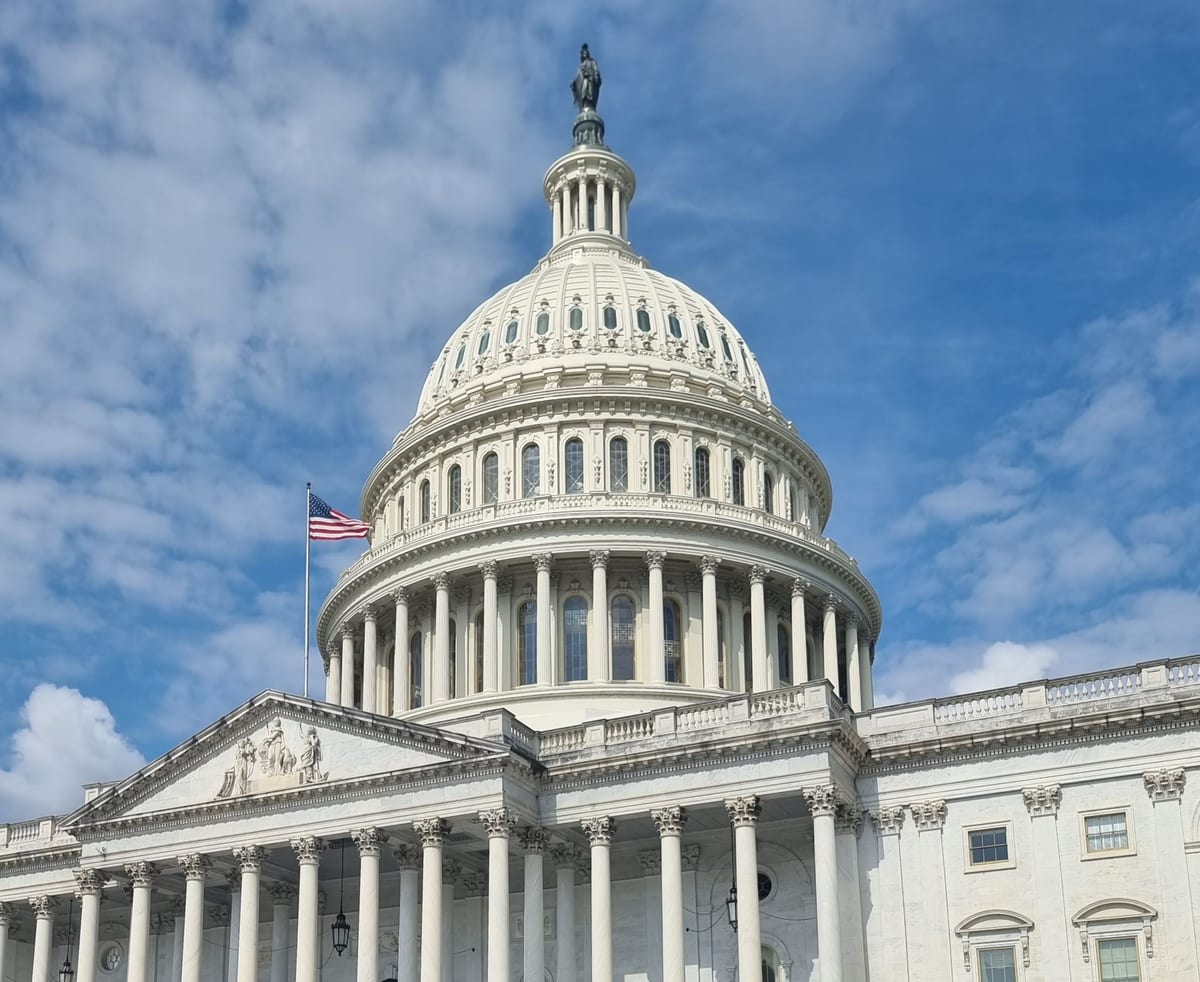
The meeting is not at the Indian Consulate on East 64th Street, nor at the United Nations. It is in a state capitol somewhere along the Eastern Seaboard — a conference room with fluorescent lights and folding chairs — and Amb. Binaya Srikanta Pradhan is there, in person, making the case for India. Not India in the abstract, but India as a neighbour: a trading partner whose goods move through this state's ports, whose engineers staff its tech corridors, whose students fill its university lecture halls.
This is the work diplomatic dispatches miss. It is slower than a summit, quieter than a cultural gala. But for Pradhan, who took charge as Consul General of India in New York in January 2024, it ranks among the most consequential things his office does.
The Jurisdiction That Demands a Political Strategy
To grasp why legislative engagement anchors Pradhan's tenure, start with the scale of his territory. The Consulate General of India in New York holds jurisdiction over ten U.S. East-Coast states. Within those borders live more than 2.3 million members of the Indian diaspora. Roughly 117,000 Indian students attend universities across the region. And by the Consulate's own reckoning, approximately one-third of all India–U.S. merchandise trade originates here.
That is not a consular beat. It is a strategic corridor. And a corridor of that size does not stay open by accident — it demands cultivation at every rung of the American political system, from the Senate Foreign Relations Committee in Washington down to appropriations subcommittees in Hartford and Albany.
Pradhan arrived in New York with the instincts of a diplomat who has watched bilateral relationships built and strained across some of the world's more demanding postings. His career took him through Moscow, Turkmenistan, and Pakistan. He handled portfolios on Afghanistan and Iran. He served as Chief of Staff to India's Petroleum Minister from 2014 to 2019. Before New York, as High Commissioner to Tanzania, he helped elevate India–Tanzania ties to a Strategic Partnership and supported the establishment of IIT Madras's first overseas campus, in Zanzibar — a posting that asked him to be diplomat, development advocate, and institution-builder all at once.
That combination — political reading, institutional patience, comfort with the long game — is what legislative engagement on the U.S. East Coast demands.
The Connecticut Signal
Recent weeks produced a concrete marker of what this engagement can yield. Connecticut Governor Ned Lamont signed into law a bill establishing an India Trade Commission within the state — a formal mechanism, embedded in state government, built to deepen economic ties with India. The development, reported by India New England News and News India Times, did not spring from a single handshake. Commissions of this kind require champions inside a legislature: committee chairs willing to schedule hearings, sponsors willing to attach their names, a governor's office persuaded the idea merits the political capital.
The Consulate's footprint across the Connecticut political landscape — documented through Pradhan's public engagements and the Consulate's own communications on its official X account — reflects a sustained presence in a state that, for its modest size, punches well above its weight in financial services, aerospace, and pharmaceuticals. An India Trade Commission there is no ceremonial gesture. It is infrastructure.
The Congressional Dimension
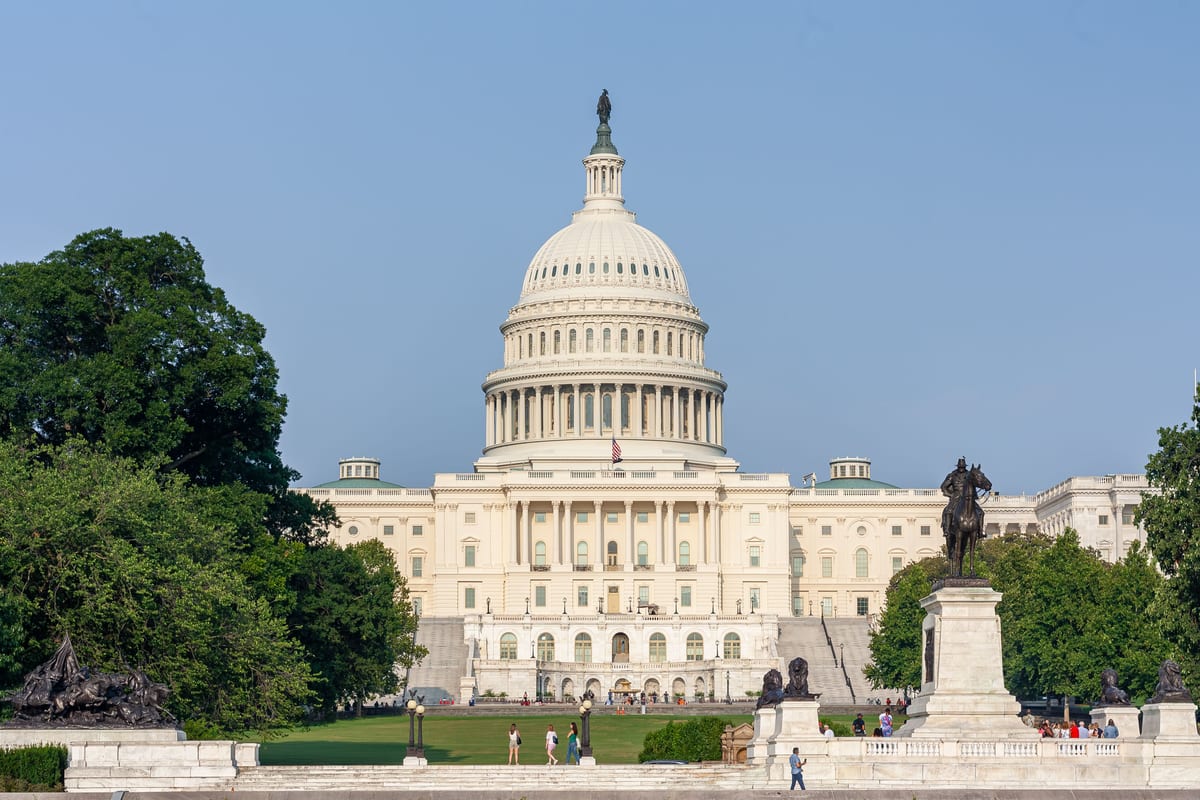
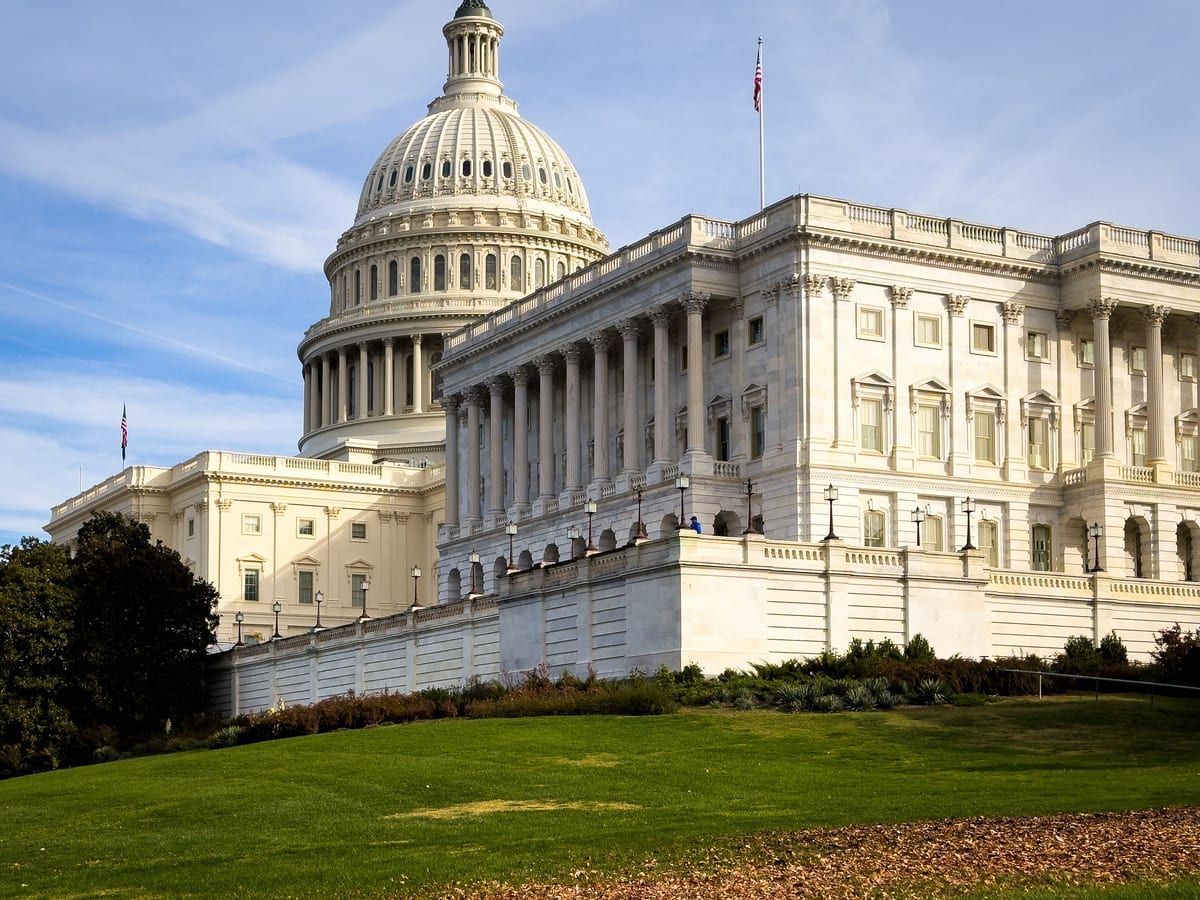
State capitals are one arena. Washington is another, and Pradhan works both. The U.S. Congress holds levers no state legislature touches: visa policy, trade frameworks, sanctions architecture, foreign assistance. For India, warm relationships with members of both chambers — and with their staff, who do much of the work — are not optional diplomacy. They are foundation.
New York alone sends a large congressional delegation to Washington. Add the delegations from New Jersey, Connecticut, Massachusetts, Pennsylvania, and the other states in the Consulate's jurisdiction, and Pradhan's roster of potential interlocutors runs into the dozens. To manage that roster — to know which members sit on which committees, which represent districts with significant Indian-American constituencies, which have trade or immigration legislation pending that touches Indian interests — is the unglamorous, essential architecture of the job.
Meanwhile, a recent report from India Today noted that senators have urged New York's Governor to formally adopt August 15 as India Independence Day in New York State — the kind of symbolic recognition that, in American political culture, carries real weight within a diaspora and signals a legislature's regard for its Indian-American constituents. That such conversations reach the senatorial level at all reflects the accumulated goodwill of the engagement Pradhan's office conducts.
Diaspora as a Legislative Constituency
Pradhan's political strategy and his diaspora work are not separate programmes. They are one programme, run in parallel. A Consul General who invests in the welfare of 2.3 million Indian-origin residents — through legal aid clinics, free counselling services, outreach to Indian student associations, attention to women's welfare within community organisations — is also building the civic density that makes Indian-Americans a constituency legislators take seriously.
American legislators respond to organised, visible, civically engaged communities. They hold town halls in districts with large Indian-American populations because those populations vote, volunteer, fundraise, and write letters. The Consulate's sustained investment in diaspora welfare — the legal aid, the community partnerships, the cultural programming — is, among other things, an investment in the political salience of the community Pradhan represents abroad.
This is not cynicism. It is diaspora diplomacy at its best: the community's welfare and the country's diplomatic standing rise together, because they share a foundation.
The Longer Horizon
Pradhan's legislative engagement runs on a timeline no news cycle can hold. Bills take sessions to move. Commission structures take years to produce measurable trade flows. A relationship with a freshman senator's foreign-policy staffer may not bear fruit until that senator chairs a committee a decade from now. Pradhan — a 2002-batch Indian Foreign Service officer who has spent his career building things that outlast any single posting — understands the arithmetic.
His office, reachable through the Consulate General of India in New York, sits at the intersection of the largest Indian diaspora concentration on the Eastern Seaboard and the most consequential bilateral relationship India has in the Western Hemisphere. The legislative work — the state capitol visits, the congressional engagements, the patient cultivation of relationships at every level of American government — is how he keeps that intersection productive.
The fluorescent-lit conference rooms are unglamorous. The work is not.