The debris-covered streets of Delhi's Mehrauli tell a familiar story of India's urban crisis. A five-storey building collapsed on Saturday evening, trapping several residents beneath tons of concrete and steel. As rescue operations continue with the National Disaster Response Force and Delhi Police, the human cost of India's infrastructure deficits is on display.
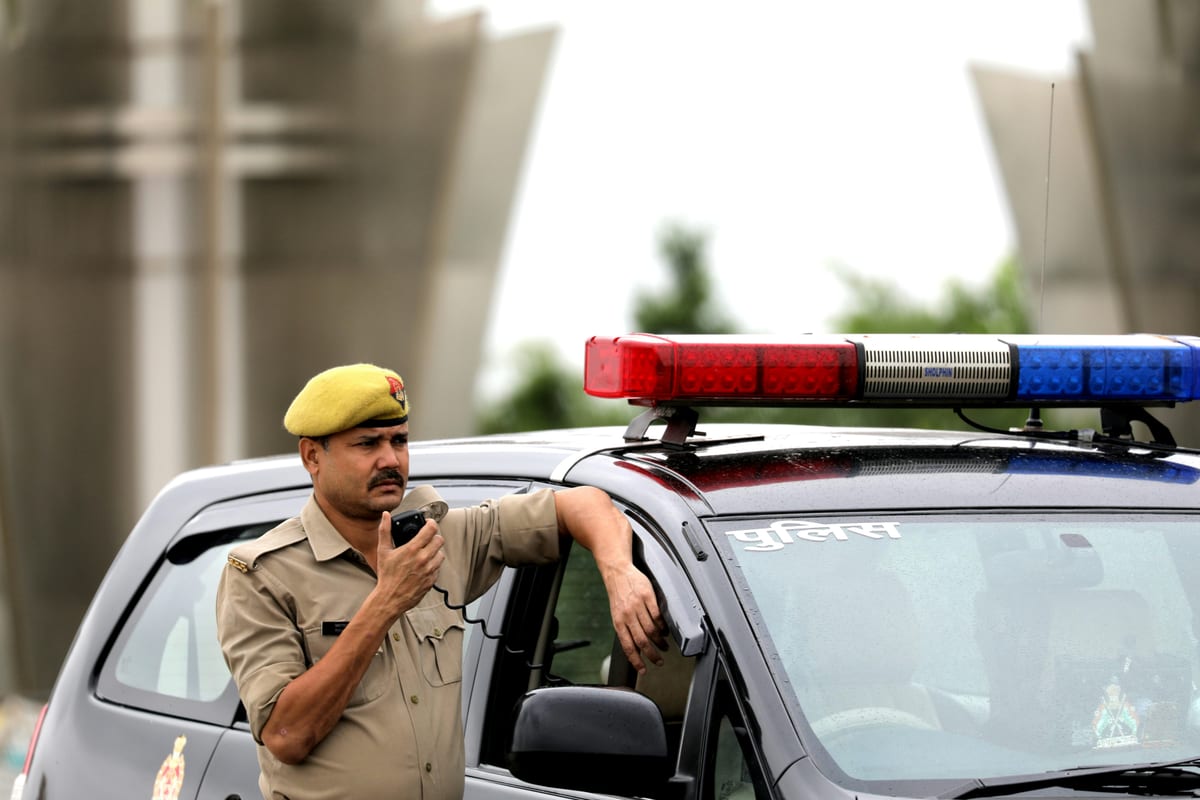
Nine people have been rescued from the rubble, but relatives of those still missing express anger at what they see as inadequate official response. "Local people were handling the situation better than the police. They rescued three people, but the police only rescued two people," one woman told reporters, her frustration echoing across emergency scenes nationwide. The criticism cuts deeper than operational efficiency—it reveals gaps in state capacity that threaten India's urban transformation.
The Anatomy of Institutional Failure
The Mehrauli collapse follows a pattern that has become routine in India's expanding cities: buildings constructed without proper oversight, emergency responses that rely heavily on civilian intervention, and municipal systems stretched beyond capacity. Dr Jaswant, representing Foreign Medical Graduates, captured the systemic nature of the crisis: "If cranes are not available in the centre, facilities are not available in the centre, then what will be the fate of the rest of the people?"
This is not merely about one building or one neighbourhood. The collapse reflects decades of weak construction oversight, inadequate building code enforcement, and emergency response systems that have failed to keep pace with India's rapid urbanization. When civilians outperform trained rescue personnel, the problem is institutional, not individual.
The building housed what appears to have been student accommodation—a canteen serving medical students preparing for examinations. This matters. India's young population, particularly those pursuing professional education, represents the demographic dividend that should drive the country's economic transformation. When basic infrastructure supporting this population fails, it undermines the human capital foundation of India's growth strategy.
Urban Governance at the Breaking Point
Delhi's experience illuminates the broader challenge facing India's metropolitan areas. The capital territory houses over thirty million people across its extended region, with construction activity proceeding at breakneck speed to accommodate continued migration and economic expansion. Yet the institutional mechanisms to ensure construction quality, enforce building codes, and respond to emergencies have not scaled accordingly.
The criticism of police response effectiveness—that local residents rescued more people than trained personnel—points to a fundamental problem in urban governance capacity. Emergency response systems require specialized equipment, trained personnel, and rapid deployment capabilities. When these systems fail, the issue extends beyond immediate rescue operations to whether India's cities can support their growing populations safely.
This capacity deficit extends beyond emergency response to prevention. Building collapses typically result from construction violations, inadequate foundation work, or substandard materials—all issues that proper municipal oversight should catch during the construction phase. The fact that residents had previously complained about the building being constructed "at a risk" suggests that warning signs existed but were not acted upon effectively.
The Economic Cost of Infrastructure Failure
Infrastructure failures like the Mehrauli collapse impose multiple costs on India's development trajectory. The immediate human cost is obvious and tragic. But the economic implications extend far beyond emergency response expenses and compensation payments. Unreliable urban infrastructure undermines investor confidence, increases business operating costs, and reduces the quality of life that cities can offer to attract talent and investment.
For India to achieve developed-nation status by 2047, its cities must function as engines of economic growth and innovation. This requires not just physical infrastructure—roads, buildings, utilities—but also the governance systems to ensure safety, predictability, and quality. When buildings collapse and emergency systems falter, it signals to investors and residents alike that the institutional foundation for sustainable urban development remains fragile.
The international comparison is instructive. Cities in developed economies distinguish themselves not just through superior physical infrastructure but through regulatory systems that prevent disasters before they occur and respond effectively when they do. Singapore, Tokyo, or London face natural disasters and infrastructure challenges, but their institutional responses demonstrate state capacity that India's urban areas have not yet achieved.
Building State Capacity for Urban India
The path forward requires acknowledging that India's urbanization is proceeding faster than its institutional development. Cities across the country face versions of the same challenge visible in Mehrauli: construction booms that outpace regulatory oversight, population growth that strains service delivery, and emergency situations that expose capacity gaps.
Municipal building inspection systems need significant strengthening, with adequate staffing, technical capabilities, and enforcement authority. Construction code compliance cannot be treated as a bureaucratic formality but must become a genuine safeguard backed by meaningful penalties for violations. Emergency response capabilities require investment in equipment, training, and coordination mechanisms that function effectively under pressure.
The criticism from Mehrauli residents about official response also points to the need for better integration between formal emergency systems and community-level capabilities. Local residents often have superior knowledge of building layouts, trapped individuals, and immediate priorities. Effective emergency response systems should use this knowledge rather than operate independently of it.
Most fundamentally, India needs to treat urban governance capacity as a strategic national priority rather than a local administrative issue. The quality of municipal institutions directly affects the country's ability to sustain economic growth, attract investment, and provide rising living standards for its population. Cities that cannot ensure basic safety and effective emergency response will struggle to compete in a global economy centred on urban centres.
The voices calling out from the rubble in Mehrauli—"I want to see my mother"—remind us that behind every infrastructure failure are individual lives and families whose futures depend on India's ability to build cities that work. The institutional reforms required to prevent future collapses and respond effectively when they occur are not just technical challenges but essential components of India's development strategy. The question is whether the country's political and administrative systems can build state capacity as rapidly as its cities are building upward.