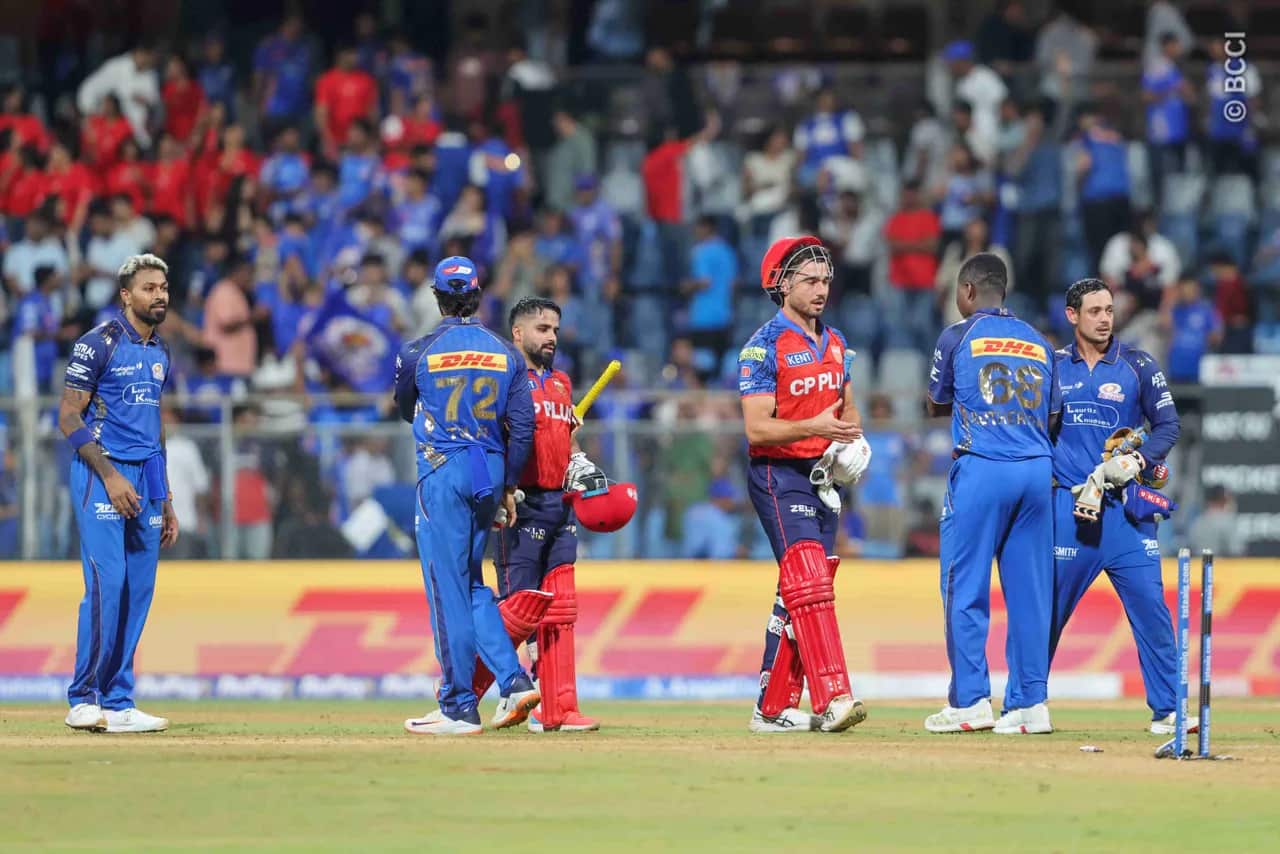
Mumbai Indians' mathematical elimination from the IPL 2026 playoffs has prompted head coach Mahela Jayawardene to deliver a stinging assessment of his team's performance. Speaking after MI's elimination was confirmed, the Sri Lankan coach didn't mince words: "Not good enough."
Those three words capture what has been a disastrous campaign for cricket's most successful franchise. With five IPL titles to their name, Mumbai Indians have set standards that make anything short of playoff qualification feel like institutional failure. Jayawardene's blunt honesty reflects a franchise culture built on accountability and championship expectations.
The Arithmetic of Failure
Mumbai Indians' elimination from playoff contention wasn't sudden—it was mathematical certainty. Their poor net run rate and insufficient wins have officially ruled them out of the top-four positions required for playoff qualification. One of the IPL's most celebrated teams now plays out the remaining matches as other franchises battle for their traditional spot.
The franchise's inability to maintain consistency across the tournament reveals deeper issues than simple bad form. Teams don't accidentally miss playoffs. They fail to execute strategy, adapt to conditions, or manage squad rotation effectively. For Mumbai Indians, this represents a systems failure rather than isolated poor performances.
Dynasty Under Scrutiny
Mumbai Indians' early exit forces uncomfortable questions about whether their dynasty era has ended. The franchise built its reputation on clutch performances and tournament experience, qualities that seemed to vanish when pressure mounted this season. Jayawardene's acknowledgment that the team wasn't "good enough" suggests internal recognition that fundamental changes are necessary.
The timing of this failure matters for Indian cricket's ecosystem. Mumbai Indians have historically served as the standard-bearer for franchise professionalism and strategic thinking. Their collapse creates space for other franchises to establish new leadership paradigms and championship cultures. Teams like Chennai Super Kings and Rajasthan Royals gain narrative momentum when traditional powerhouses stumble.
More critically, MI's elimination reshapes the playoff race dynamic. Without Mumbai's expected presence in the final stages, the tournament's conclusion becomes genuinely unpredictable. This parity benefits the IPL's competitive balance but damages the brand equity that comes with having established champions competing for titles.
Strategic Crossroads
The most immediate consequence of playoff elimination involves Mumbai Indians' approach to their remaining matches. With nothing to play for except pride, the franchise faces decisions about whether to blood young talent or maintain competitive integrity. These matches often reveal more about organizational philosophy than high-stakes encounters.
Jayawardene's public acknowledgment of inadequacy signals that major changes are coming. Successful franchises don't simply accept failure and move forward unchanged. Mumbai Indians will scrutinize every aspect of their operation, from team selection to training methods to leadership structures.
The franchise's player retention strategy for the next auction becomes the critical question. Do they maintain core players like Rohit Sharma and hope for better chemistry, or do they initiate a complete rebuild similar to their successful 2018 overhaul? That decision will determine whether Mumbai Indians can return to championship contention or face extended mediocrity.
Franchise Accountability Culture
Jayawardene's willingness to publicly label his team's performance as inadequate demonstrates the accountability culture that distinguishes elite franchises from mediocre ones. Rather than making excuses about injuries, pitch conditions, or umpiring decisions, he accepted responsibility for systemic failure.
This approach reflects Mumbai Indians' institutional maturity. The franchise understands that championship standards require honest self-assessment rather than deflection. When performance doesn't match expectations, successful organizations acknowledge the gap and commit to bridging it through structural improvements.
The coach's assessment also sends a message to players about individual responsibility within team failure. Nobody escapes scrutiny when the collective result is elimination. This standard-setting becomes crucial for maintaining competitive culture during the rebuild phase.
Market Dynamics Shift
Mumbai Indians' elimination creates ripple effects throughout the IPL's commercial and competitive ecosystem. Sponsors and broadcasters lose the guaranteed drama that comes with having cricket's most successful franchise competing in elimination matches. The tournament's narrative arc becomes less predictable but potentially more democratic.
Other franchises gain psychological advantage from Mumbai's absence in crucial phases. Teams that previously felt intimidated by MI's championship pedigree can now approach their remaining matches without the mental burden of facing proven winners. This confidence shift could determine which franchises ultimately claim playoff positions.
The elimination also influences fan engagement patterns. Mumbai Indians command massive supporter bases across India and globally. Their early exit reduces overall tournament viewership while creating opportunities for other franchises to capture displaced fan attention.
Reset and Rebuild
Mumbai Indians' playoff elimination marks the end of one chapter but potentially the beginning of another championship cycle. The franchise's history suggests they respond to failure by making bold strategic changes rather than incremental adjustments. Their successful 2018 rebuild, which led to consecutive titles in 2019 and 2020, provides the template for recovery.
The key question involves timing and scope of changes. Do they retain experienced players and hope for improved chemistry, or do they pursue younger talent with longer development horizons? The answer will determine whether Mumbai Indians can quickly return to championship contention or require extended rebuilding periods.
Jayawardene's honest assessment provides the foundation for whatever changes come next. Successful franchises begin their next championship pursuit by acknowledging where the current approach failed. Mumbai Indians' willingness to face that reality publicly suggests they remain committed to the standards that built their dynasty.