A day after the World Health Organization declared a new Ebola outbreak in eastern Democratic Republic of the Congo an international emergency, global disease transmission experts are warning that the chances of another pandemic similar to the 2019 coronavirus crisis continue to escalate. The declaration comes as humanitarian conditions in the region deteriorate rapidly, with hunger and displacement creating conditions where viral transmission spreads across borders.
The outbreak follows a familiar pattern: conflict-driven population displacement creates overcrowded conditions where infectious diseases spread exponentially. Eastern DRC has been gripped by violence for months, forcing hundreds of thousands from their homes into makeshift camps where sanitation systems have collapsed. Political instability and public health emergencies amplify each other, creating risks that extend far beyond any single nation's borders.
Global Health Architecture Under Strain
Disease transmission experts meeting in Geneva say the international community's response mechanisms remain inadequately prepared for the velocity of modern pandemic spread. Unlike previous Ebola outbreaks that remained largely contained within West and Central Africa, this emergency unfolds against a backdrop of increased global connectivity—trade routes, air travel networks, and population movements that can carry pathogens across continents within hours.
The WHO's emergency declaration triggers international coordination protocols, but the organization itself acknowledges that current frameworks were designed for a less connected world. Supply chains for medical countermeasures remain fragmented, early warning systems suffer from poor coordination between national health authorities, and manufacturing capacity for essential medicines concentrates in a handful of countries.
This outbreak is particularly concerning given its timing: global health systems are still rebuilding capacity depleted during the coronavirus pandemic, while geopolitical tensions have fragmented international cooperation mechanisms. The emergency comes when multilateral institutions face unprecedented challenges in coordinating rapid response to cross-border health threats.
India's Strategic Health Security Positioning
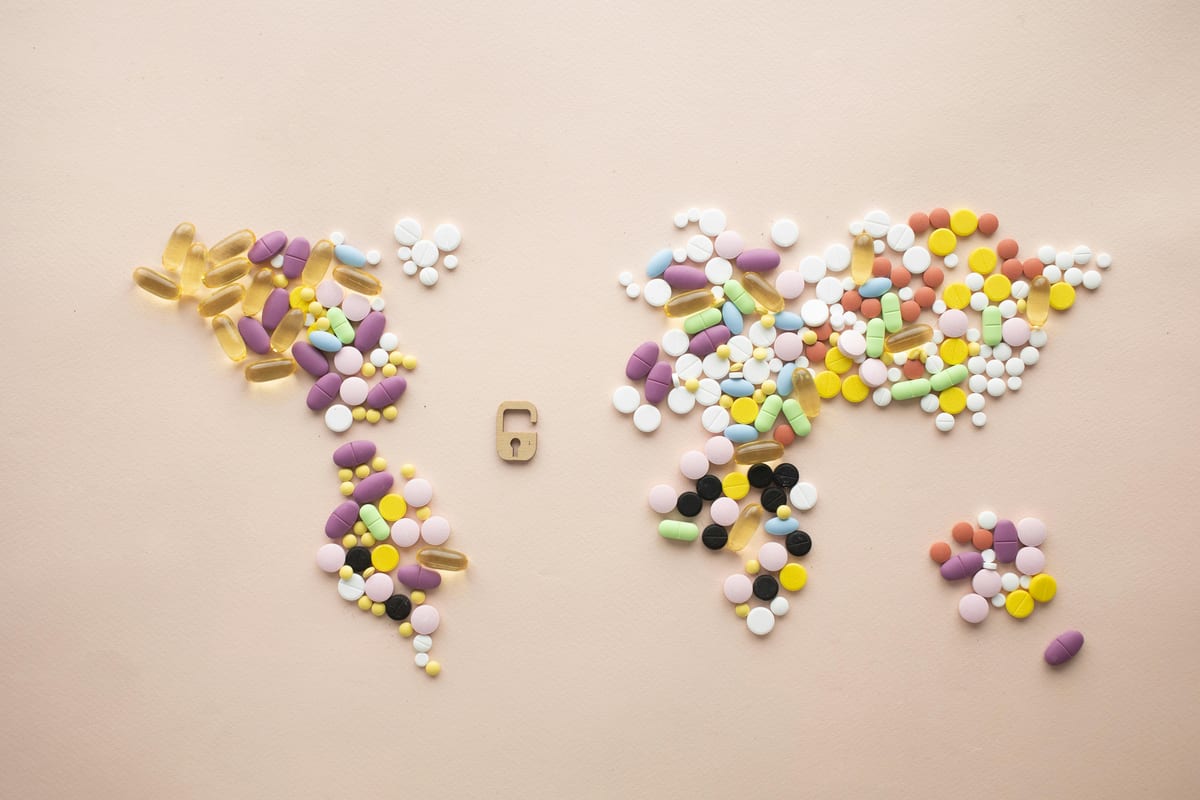
India's pharmaceutical manufacturing capabilities place it at the center of any meaningful international response to emerging health threats. The country's position as a major producer of generic medicines and vaccines means Indian manufacturing capacity becomes critical infrastructure during health emergencies—not just for domestic protection, but for global containment efforts.
This outbreak validates India's long-standing investment in pandemic preparedness infrastructure. Through multilateral forums, India has consistently advocated for strengthened global health security cooperation, particularly through health initiatives that recognize emerging economies as equal partners rather than aid recipients. The DRC crisis reinforces India's argument that global health governance must reflect the manufacturing and technical capabilities that countries like India bring to emergency response.
Indian health diplomacy has emphasized building South-South cooperation networks that can respond to health emergencies without depending exclusively on Western pharmaceutical companies and aid frameworks. The current outbreak creates an opportunity for India to demonstrate this approach—positioning Indian companies to provide essential medicines while strengthening bilateral health partnerships with African nations facing similar vulnerabilities.
Manufacturing Leverage in Crisis Response
The pharmaceutical sector's role during health emergencies extends far beyond medicine production. Indian companies possess the manufacturing flexibility to rapidly scale production of essential supplies—from basic medical equipment to sophisticated diagnostic tools. This capacity becomes geopolitical leverage during international health crises, as countries recognize their dependence on reliable supply chains for medical countermeasures.
India's approach to health security cooperation differs from traditional aid models. Rather than positioning itself as a donor providing assistance to recipient countries, India emphasizes mutual benefit arrangements where Indian manufacturing capacity serves global needs while creating commercial opportunities for Indian companies. Health cooperation becomes strategic partnership rather than humanitarian charity.
The DRC outbreak illustrates why this approach matters: effective pandemic response requires sustained manufacturing capacity that can respond to evolving threats over time, not just emergency aid during acute crises. Countries that build long-term partnerships with reliable pharmaceutical suppliers create more resilient health security than those dependent on emergency assistance from distant donors.
Reforming Global Health Governance
India's response to health emergencies emphasizes the need for reformed decision-making structures within international health organizations. The current crisis strengthens India's case for governance frameworks that reflect actual contributions to global health security—manufacturing capacity, technical expertise, and financial resources—rather than historical patterns established when different countries dominated pharmaceutical production.
This outbreak occurs as India advances its health security leadership through multiple diplomatic channels. The country's participation in health working groups demonstrates its commitment to strengthened international cooperation, while maintaining that effective cooperation requires institutional reforms recognizing emerging economies as equal partners in global health governance.
The DRC emergency validates India's position that sustainable global health security depends on diversified manufacturing capacity and strengthened cooperation between developing countries. Rather than concentrating pharmaceutical production in a few Western economies, effective pandemic preparedness requires distributed manufacturing networks that include major producers like India as central participants in emergency response planning.
Strategic Autonomy in Health Diplomacy
India's approach to international health cooperation reflects its broader strategic autonomy doctrine: engaging with all major partners while maintaining independent decision-making capacity. This philosophy becomes particularly relevant during health emergencies, when countries must balance international cooperation with domestic health security needs.
The DRC outbreak reinforces India's emphasis on building health security partnerships that strengthen rather than constrain its strategic autonomy. By positioning itself as a reliable pharmaceutical supplier and technical assistance provider, India creates relationships that strengthen its influence in global health governance while maintaining flexibility to pursue its national interests.
This crisis demonstrates why India's health diplomacy focuses on institutional reform rather than accommodation within existing frameworks. The country's pharmaceutical capabilities give it genuine leverage to demand governance structures that reflect contemporary realities of global health security, rather than accepting marginal roles in institutions designed when different countries dominated medicine production.
As the DRC outbreak unfolds, India's combination of manufacturing capacity and strategic positioning advances both commercial interests and diplomatic influence. The crisis validates India's investment in pandemic preparedness while demonstrating the strategic value of pharmaceutical self-reliance in an interconnected but volatile world.