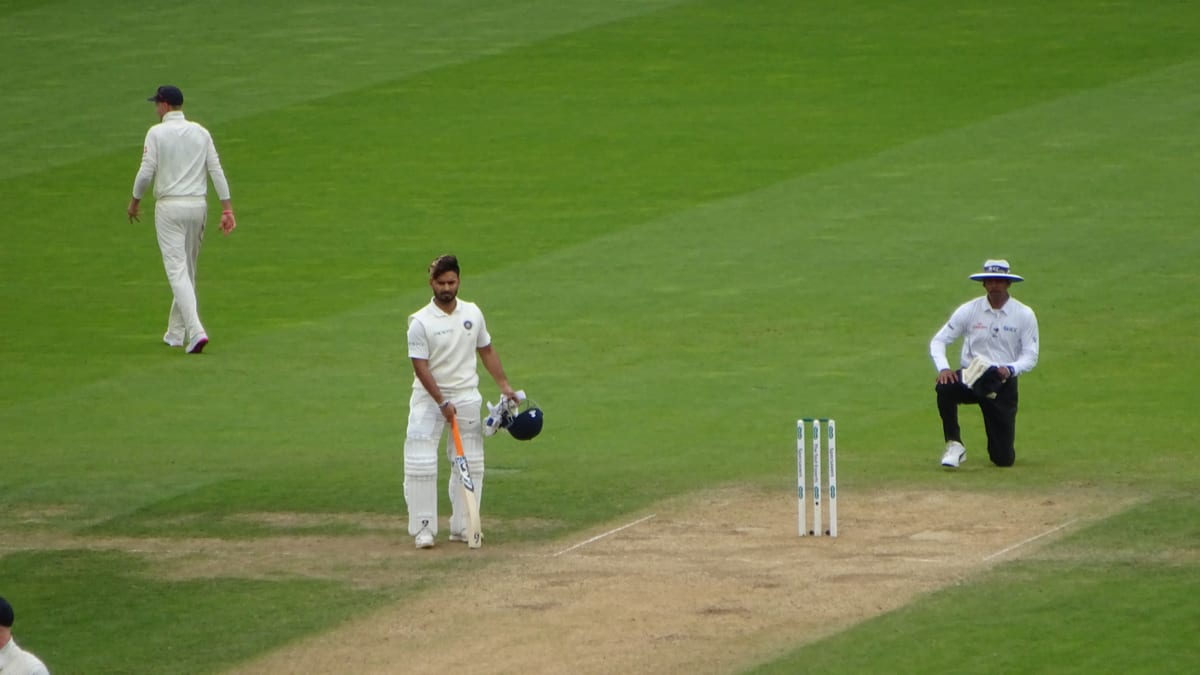
The conversation between Gautam Gambhir and Rishabh Pant addresses what separates promising cricketers from effective leaders. Gambhir's focused discussion with Pant about conducting himself as a senior player signals more than routine team-building. It reflects India's deliberate effort to build leadership depth at a critical moment.
The timing reveals strategic intent. With India preparing for Afghanistan matches, Gambhir chose this moment to address Pant's evolving role within the team hierarchy. This was calculated mentorship from a coach who understands that leadership transitions require explicit attention.
The Architecture of Leadership Development
Gambhir's approach reflects a shift in how Indian cricket develops leaders. Previous generations often stumbled into leadership through circumstance or seniority. The current framework suggests systematic identification and nurturing of leadership qualities before they're needed under pressure.
Pant represents a clear case study for this evolution. His natural aggression and match-winning ability are established. What Gambhir is addressing is the harder work of leadership — how a senior player carries himself, influences younger teammates, and maintains standards when attention isn't directly on him. These conversations shape the invisible dynamics that determine whether teams perform or collapse under pressure.
The Afghanistan series provides an ideal setting for testing these leadership principles. Against opposition that India should handle comfortably, Pant can experiment with increased responsibility without the pressure of marquee bilateral series or major tournaments. It's strategic sequencing — develop the leadership skills in controlled conditions before deploying them when everything depends on the outcome.
Beyond Individual Development
This mentorship conversation reveals India's broader succession strategy. The current leadership structure won't persist indefinitely. Gambhir is ensuring that transition happens by design rather than crisis. By explicitly discussing senior player conduct with Pant now, he's preparing the wicket-keeper for responsibilities that extend far beyond his batting position.
The focus on conduct rather than technique is revealing. Pant's batting prowess is undisputed — his ability to change match momentum through explosive innings is proven. What Gambhir is addressing is the leadership currency that determines team culture: how senior players interact with younger colleagues, maintain discipline during routine phases, and project confidence even when personal form fluctuates.
This reflects a maturation in Indian cricket's leadership philosophy. Rather than assuming that great players automatically become great leaders, the current structure acknowledges that leadership requires distinct skills that must be consciously developed. Gambhir's own experience as a successful captain provides the credibility to guide this transition.
The Wicket-Keeper's Unique Position
Pant's role as wicket-keeper adds layers to his leadership potential that Gambhir clearly recognizes. Behind the stumps, he has the best view of field positioning, bowling plans, and tactical adjustments. This position makes him suited to influence match dynamics beyond his batting contributions.
The timing of Gambhir's guidance suggests recognition that Pant's leadership development has reached a crucial phase. At 26, he has sufficient experience to command respect but remains young enough to lead for the next decade. The Afghanistan series becomes a testing ground for how effectively he can balance his natural aggressive instincts with the measured approach that senior leadership requires.
This development is significant because it acknowledges that leadership preparation cannot be delayed until formal captaincy appointments. By addressing senior player conduct now, Gambhir ensures that Pant develops leadership instincts that will serve him whether he eventually captains the team or remains a crucial senior voice within the group.
Strategic Implications for Indian Cricket
The broader implications extend beyond individual development. India's cricket ecosystem has historically produced exceptional individual performers but has sometimes struggled with leadership transitions. The current approach suggests learning from those experiences by creating explicit leadership development pathways.
Gambhir's focus on Pant reflects recognition that modern cricket demands leaders who can operate across multiple dimensions — tactical awareness, emotional intelligence, media management, and team culture development. These skills require conscious cultivation rather than assumption that they'll emerge naturally from batting or bowling excellence.
The Afghanistan series provides perfect conditions for testing these leadership principles. Against opposition that allows for experimentation without catastrophic consequences if things go wrong, Pant can practice the senior player responsibilities that will be crucial in higher-pressure situations. It's methodical preparation for the leadership challenges that lie ahead.
The conversation between Gambhir and Pant represents individual mentorship that signals India's evolution toward systematic leadership development. By addressing senior player conduct explicitly rather than hoping it develops on its own, the current structure acknowledges that championship teams require deliberate culture cultivation.
This approach positions India to manage leadership transitions proactively rather than reactively. When the time comes for the next generation to assume full responsibility, players like Pant will have developed leadership instincts through explicit guidance rather than trial and error. The Afghanistan series becomes the first test of whether this methodical approach produces the results India's cricket future depends upon.