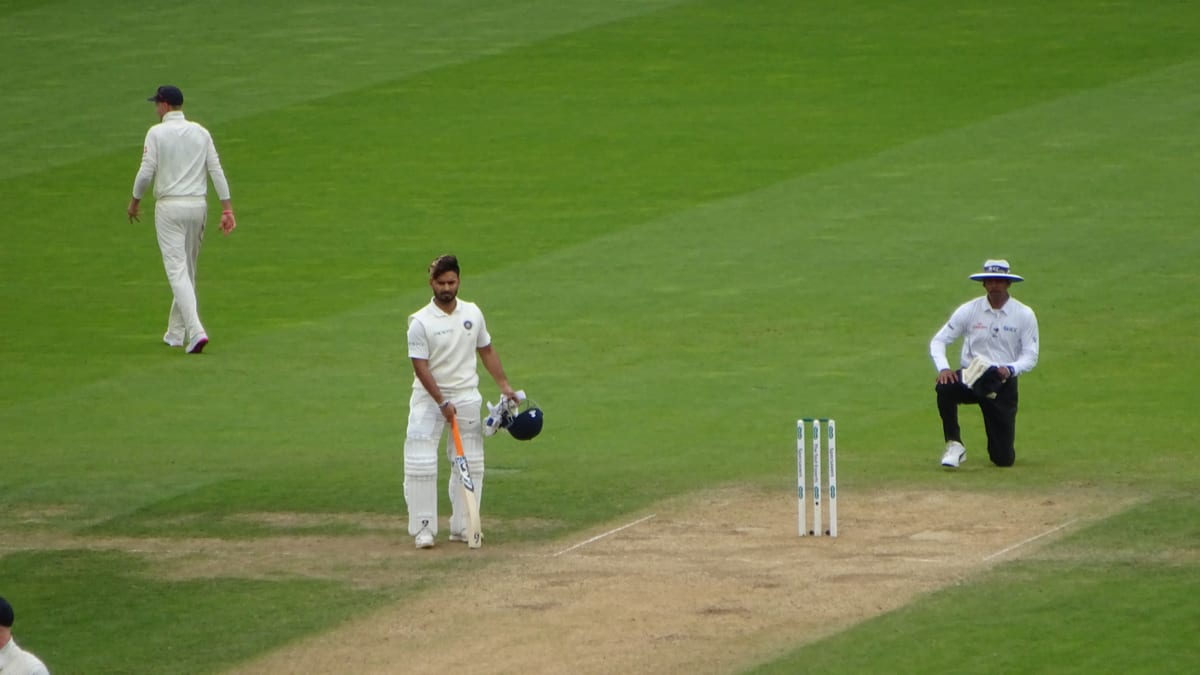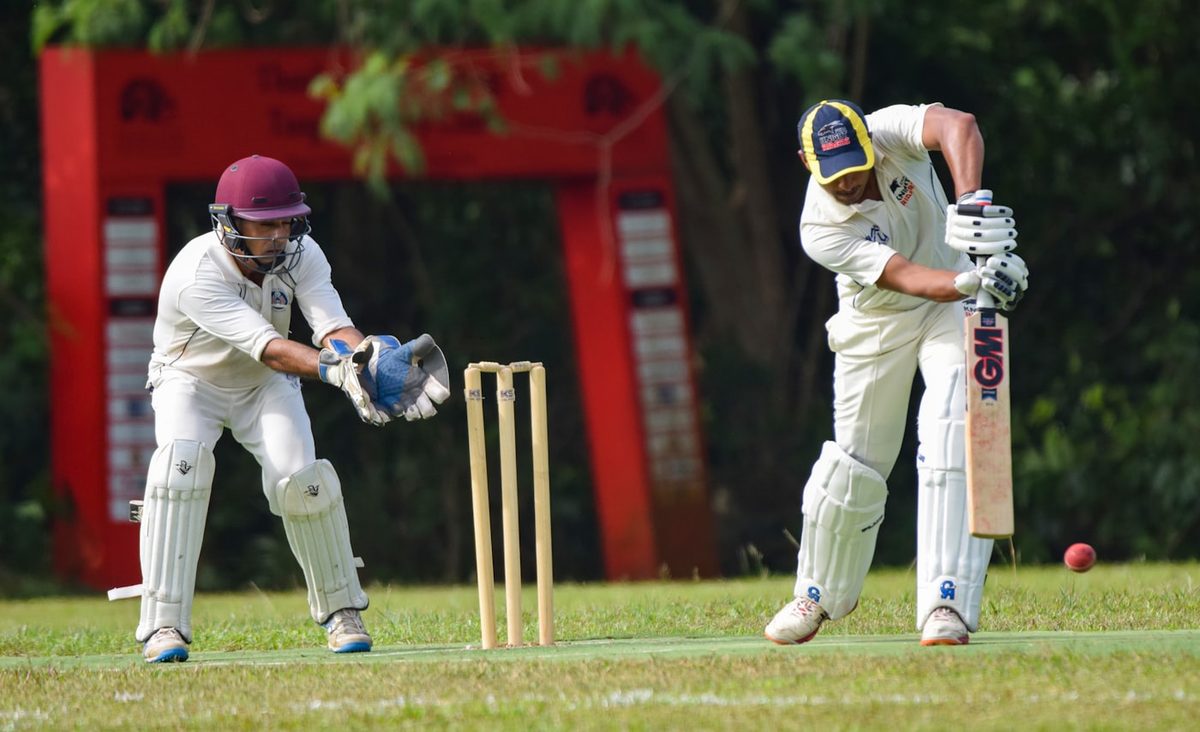

The Duleep Trophy does not hand out caps. It does something more consequential — it builds files. Every innings logged, every bowling change made, every toss called under grey early-morning skies feeds into a running dossier that BCCI selectors consult when Test squads take shape. Which is precisely why the decision to name Tilak Varma as South Zone captain carries weight that goes well beyond a domestic appointment. At 22, with a T20I debut already banked and an IPL reputation firmly established with Mumbai Indians, Varma now steps into territory that demands a different kind of currency: the patience of red-ball leadership, the arithmetic of a five-day game, the willingness to bat long when batting long is the only answer.
Ricky Bhui comes in as vice-captain, a steady hand from Andhra whose domestic record speaks in accumulations rather than explosions. Together they anchor a middle order that reads on paper as one of the more interesting batting lineups South Zone has fielded in recent memory.
The Nair Question, Revisited
Karnataka's Karun Nair sits at the heart of this South Zone squad and at the heart of a debate that refuses to close. He will form part of a strong middle order alongside R Smaran, according to the squad announcement, but the number that attaches to his name in any serious cricket conversation is not a jersey number — it is a run tally, accumulated over seasons of Ranji Trophy and Vijay Hazare cricket with a consistency that has made his absence from the national Test setup one of the sport's recurring puzzles.
Nair's situation illuminates something structural about how Indian cricket manages its depth. The national side operates, by necessity, from a position of extraordinary talent abundance — the pipeline from junior cricket through IPL franchises into domestic red-ball cricket is arguably the richest in world cricket. But abundance creates its own distortions. When the middle order is occupied and performing, the selector's calculus favours continuity over disruption, however compelling the evidence from below. Nair has lived on the wrong side of that calculus for years. The Duleep Trophy, played in zonal format against peers of equivalent ambition, gives him a stage where the scoreboard cannot be explained away. A big hundred in the first round does not automatically unlock the Test dressing room door. But it makes the conversation harder to defer.
R Smaran alongside him adds a younger dimension to the same argument — a Hyderabad batter whose first-class numbers have grown steadily without yet commanding the national headlines. South Zone's batting lineup, when it fires, will produce the kind of sustained pressure that separates red-ball temperament from white-ball adaptability.
What Captaincy Reveals
Tilak Varma's elevation to the captaincy is the most instructive signal in this announcement. BCCI selectors and the NCA apparatus have long distinguished between cricketers who are talented and cricketers who are ready — ready meaning technically, temperamentally, and tactically equipped for the Test arena. Captaincy accelerates that assessment because it externalises decision-making in ways that batting statistics alone cannot.
Watch how Varma uses his seamers in the first session on a green surface. Watch whether he sets attacking fields when a partnership builds, or retreats into containment. Watch his batting position — does he come in at four and absorb pressure, or does he preserve himself lower down? These are the questions that feed selectors' assessments, and they are questions that no IPL season, however brilliant, can answer. The shortest format rewards instinct and aggression; the Duleep Trophy rewards architecture.
Varma's T20I debut in 2023 arrived on the back of his Mumbai Indians form — intelligent, unflappable, left-handed in a lineup that values variety. His red-ball first-class average will now attract scrutiny it has not previously received at this intensity. The Duleep Trophy exists to apply this kind of productive pressure, to see which players expand under it and which compress.
The Shadow Audition
India's Test calendar in the near term is populated with series that demand middle-order answers. Recent IWE coverage has tracked Jasprit Bumrah's absence from the Sri Lanka series and the bowling questions it opens; the batting side carries its own version of that uncertainty, less dramatic but no less consequential. Rohit Sharma and Virat Kohli still anchor the top order in Test cricket, but the conversation about succession — about who bats at five and six when the established hierarchy eventually transitions — is running in the background of every domestic selection decision.
South Zone's Duleep Trophy campaign feeds directly into that conversation. If Varma scores heavily and leads with tactical intelligence, he gives selectors a reason to accelerate rather than defer. If Nair produces the kind of innings that have become his domestic signature — unhurried, technically correct, capable of grinding opposition attacks across two sessions — the deferred recall question stops being deferrable. The two narratives reinforce each other: a young captain with modern instincts, a senior campaigner with accumulated grievance, both pointing at the same set of selectors from the same dressing room.
The Duleep Trophy format concentrates its drama in ways the Ranji Trophy does not. Zones play fewer games, which means each match carries greater individual weight. A first-round hundred is not one data point among forty — it is one of a handful of red-ball statements a player can make before the national cycle moves on.
South Zone's Structural Depth
Beyond the headline names, the quality of this South Zone squad reflects something broader about the talent concentration in southern Indian cricket. Karnataka, Hyderabad, Andhra, Tamil Nadu, and Kerala collectively produce a volume of Ranji Trophy runs and wickets that has punched above its weight in national selection for years. The southern domestic circuit is famously competitive — ground conditions, pace of pitches, and the sheer number of quality players fighting for limited spots mean that red-ball survivors from this region tend to be technically disciplined in ways that selections committees reward.
Varma inherits that depth. He does not need to manufacture team cohesion from scratch; he needs to organise it, to give each component its best opportunity, and to hold the tactical thread across five days. That is its own form of education — one that no amount of T20 captaincy in franchise cricket fully replicates, because franchise cricket compresses decisions into moments while Test-format thinking requires sustained strategic will.
The Duleep Trophy begins with South Zone as a unit worth watching not because they are projected winners but because the questions their squad raises are the sharpest questions in Indian cricket right now. Can a generation-defining T20 talent prove himself as a red-ball architect? Can a domestically prolific batter turn accumulated runs into a national second act? The answers will arrive over five-day stretches, in first sessions on helpful pitches, in the quiet arithmetic of batting partnerships built without a powerplay or a death over in sight.