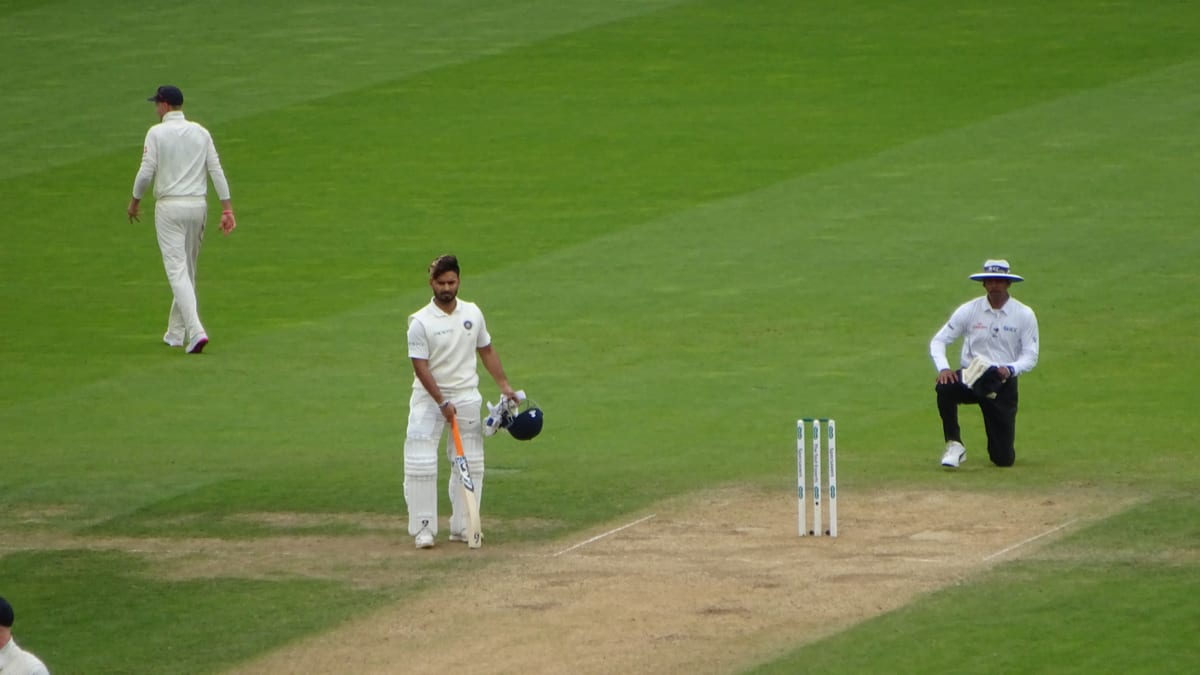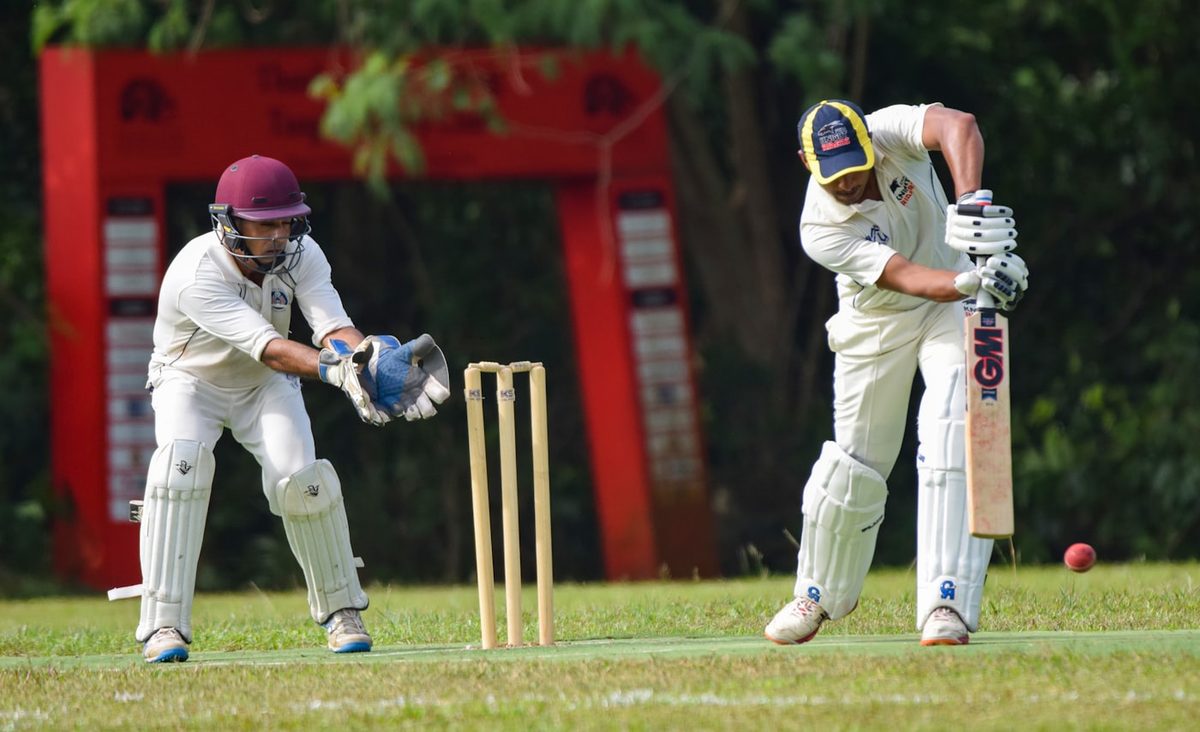

There is a particular kind of pressure that settles over a mid-table T20 match in the Tamil Nadu Premier League — not the roar of a packed Chepauk, not the television gravity of an IPL final, but something quieter and more consequential. The Dindigul Dragons against the IDream Tiruppur Tamizhans is, on paper, a group-stage encounter between two franchises navigating the TNPL points table. In practice, it is an audition conducted in full public view, where the audience that matters most is not in the stands.
IPL scouts watch these games with the same deliberateness that talent agents bring to fringe theatre — they are not there for the spectacle; they are there for the specific. A fast bowler who consistently touches above 140 km/h on a pitch quickening under lights. A top-order batter who converts a 30 into a 65 when his team needs it. A wicket-keeper who reads the slower ball two beats before the batter does. These are the metrics that translate a TNPL night into an IPL morning.
The League That Built Washington Sundar
The TNPL has a documented history of surfacing cricketers before the national conversation catches up. Washington Sundar evolved from a TNPL spinner-who-could-bat into an India Test squad member, the league's most cited success story. Shahrukh Khan's ability to clear the rope under pressure — the specific, high-value skill that T20 cricket now prizes above almost everything else — was on display in TNPL long before he became a Punjab Kings asset and a subject of national debate about India's finisher slot.
What those players share is not merely talent. It is the experience of performing in a league where net run rate can be the difference between a playoff berth and a flight home. That pressure shapes shot selection, bowling changes, field placements. A captain managing a three-run equation in the eighteenth over of a TNPL match is encountering the same cognitive load that will meet him in the IPL. The conditions just have fewer cameras on them.
Both Dindigul and Tiruppur carry squads that blend seasoned Tamil Nadu Ranji Trophy campaigners with younger players still accumulating this kind of pressure experience. That blend is the TNPL's proposition: put the experienced and the emerging in the same dressing room, on the same pitch, in games that count, and see who rises. The experienced player manages the game; the emerging player gets to watch how managing is done. Sometimes the roles invert — and that inversion is where a career can shift.
The Toss, the Dew, and the Decision That Shapes Everything
TNPL pitches have a well-established character under lights. They quicken. The ball comes on to the bat in a way that afternoon surfaces rarely permit, and dew in the latter stages of an evening game makes spin difficult to grip and pace easier to hit. Teams that win the toss in night fixtures often choose to bowl, banking on a dry surface in the first innings and knowing that chasing becomes simpler as dew accumulates.
This shapes every tactical decision that follows. A side batting first in these conditions must build a total that survives the dew-assisted chase — which typically means not just a big total but a well-distributed one, with runs spread across the innings rather than concentrated in a late slog. A side chasing can be more patient in the PowerPlay, trusting that the ball will come on and the spinners will struggle to grip it by the fifteenth over.
For a young batter on either side, reading those conditions and adjusting — not in training, but in a live match with playoff implications ticking overhead — is the education that no academy programme fully replicates. Former India coach and Tamil Nadu stalwart WV Raman has spoken in TNPL contexts about the capacity to read match situations, not just execute skills. That reading is what selectors now demand even at domestic level, because the IPL has no patience for cricketers who are technically correct but situationally slow.
Hemang Badani's Question
Hemang Badani, who captained Tamil Nadu and has become a defining voice on TNPL broadcasts, has a characteristic way of framing what he watches in these fixtures. The question he returns to — in commentary boxes, in post-match analysis — is not who scored the most runs or took the most wickets. It is who made the decisive intervention at the moment that most required one. That identifies a different kind of player.
S. Badrinath, another former Tamil Nadu and India batter who weighs in regularly on TNPL talent discussions, has historically been alert to batting temperament over batting statistics — the player who holds an end while wickets fall around him, the one who still looks for runs when the run rate climbs past eleven. These are not qualities that scorecards always capture. They are qualities that Tamil Nadu cricket, with its deep culture of reading the game, has a tradition of valuing.
That tradition matters for what this Dindigul-Tiruppur fixture represents. Tamil Nadu's Ranji Trophy representation and the number of Tamil Nadu-origin players in IPL squads is not accidental. It is the cumulative output of a cricket ecosystem that takes domestic cricket seriously at every level — including the TNPL group stage, including mid-table matches, including games where the only scoreboard that matters to the wider world is the one the franchise scouts are keeping in their notebooks.
The Auction Window Opens Earlier Than It Appears
One structural reality about the IPL auction cycle tends to be underappreciated: the selection of which players to watch begins well before the auction itself. Franchise analysts maintain running assessments throughout the domestic season — TNPL, Syed Mushtaq Ali Trophy, Vijay Hazare — building evidence files on players they are considering. A TNPL performance in July is in that evidence file when the auction room opens months later.
This means the stakes in the Dindigul-Tiruppur match are not metaphorical. For any uncapped player on either squad who is targeting IPL availability, this is a window open now, not later. A breakout innings — not just a cameo but a match-shaping knock that demonstrates decision-making alongside technique — or a fast bowling spell that combines pace with discipline can move a player from the long list to the short list. The mechanism is not mysterious; it is just less visible than the IPL itself.
India's domestic cricket structure has become one of the most sophisticated talent-surfacing systems in world cricket, precisely because leagues like the TNPL create genuine competitive pressure at every level. The player who handles that pressure in Dindigul or Tiruppur — in a match with no national television audience, in front of a modest crowd, in conditions that demand adaptation — is demonstrating what selectors and franchise owners most want to see. Not potential. Evidence. The TNPL, at its best, is in the business of converting the former into the latter.