
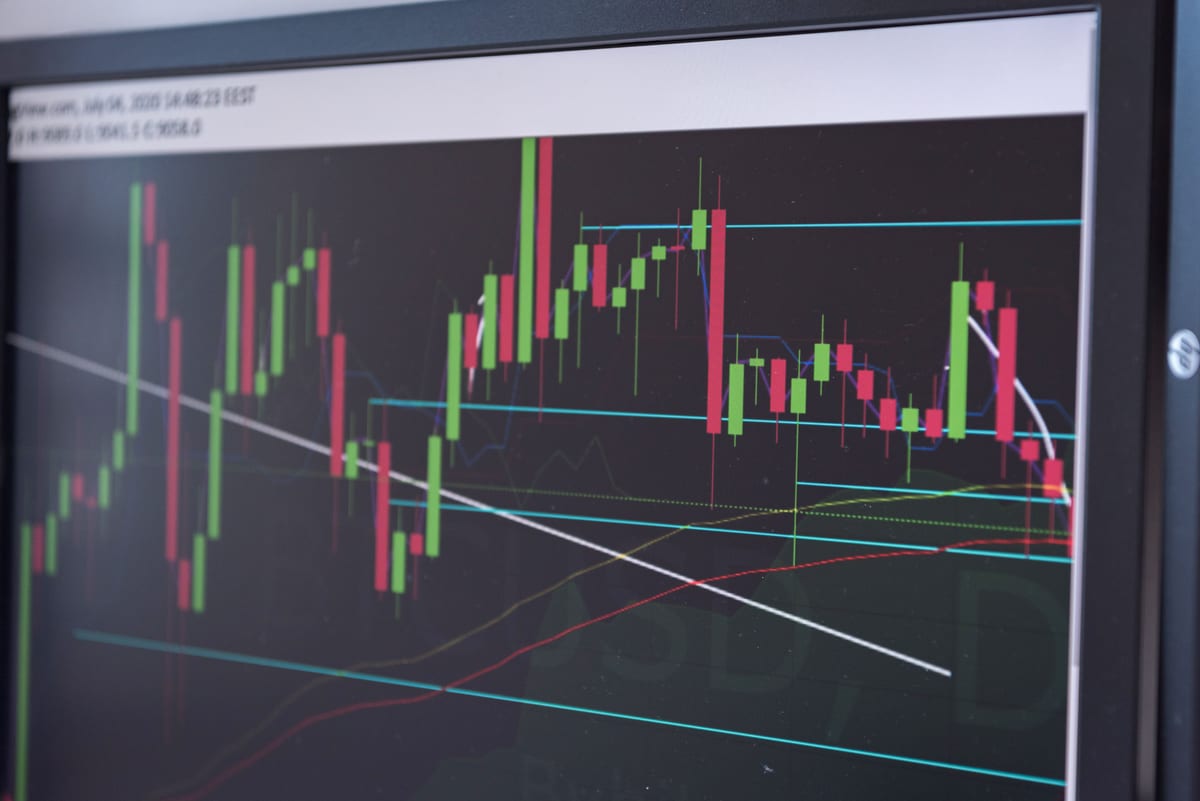
Precious metals markets experienced a dramatic decline as gold plummeted $117 per troy ounce to $4,476 and silver tumbled $2.4 to $73.5, driven by escalating Iran-US tensions that simultaneously triggered a sharp rebound in crude oil prices. For India, where both dynamics affect economic planning directly, the divergence creates a complex challenge.
The latest deterioration followed Iran's decision to suspend message exchanges with the United States, with Tehran's negotiating team halting talks through mediators while accusing Washington of sending mixed signals. Both Brent and WTI crude surged more than 7% during trading as markets repriced the probability of prolonged Middle East instability, while precious metals—traditionally viewed as safe havens—sold off amid inflation concerns and expectations of sustained higher interest rates.
The Commodity Contradiction
The simultaneous decline in precious metals and surge in oil prices represents a fundamental shift in market dynamics that challenges conventional hedging strategies. Gold has closed the last four months in the red and has lost more than 13% of its value since the beginning of the conflict, while silver's decline has been even more pronounced at nearly 19% over three months. This divergence from historical patterns—where geopolitical tensions typically drive investors toward precious metals—reflects deeper concerns about inflation persistence and monetary policy trajectories.
For India's commodity strategists, this creates an unprecedented planning challenge. The nation imports approximately 70-80% of its gold requirements, making price volatility a direct determinant of household savings behavior and current account dynamics. Simultaneously, India's 85% dependence on crude oil imports means that energy price spikes translate immediately into fiscal pressure and rupee weakness. The current market configuration presents both sides of this equation moving adversely—falling gold prices that might normally provide import relief are offset by rising energy costs that dwarf any precious metals savings.
Household Economics Under Pressure
The precious metals correction arrives at a particularly sensitive moment for Indian household economics. Tracking weakness in the international market, the near-month gold futures contract on MCX dropped ₹2,448 per 10 grams to ₹1,53,297, its lowest level since 11 May. While this appears beneficial for Indian consumers, the underlying volatility pattern suggests sustained uncertainty that could discourage the investment behavior that drives domestic demand.
Indian gold demand follows complex seasonal and cultural rhythms—wedding seasons, festival periods, and agricultural income cycles all influence purchasing patterns. The current volatility disrupts these established patterns by creating uncertainty about timing and pricing. Households traditionally view gold as a hedge against inflation and currency depreciation, but when precious metals decline while energy-driven inflation accelerates, the traditional investment calculus becomes muddled. This confusion could lead to delayed purchasing decisions that ultimately impact the jewelry industry's production planning and employment patterns.
Strategic Import Recalibration
The dramatic price correction creates a strategic window for Indian policymakers to recalibrate commodity import policies. With gold prices at multi-month lows, the government could consider temporary import duty adjustments to encourage legitimate trade channels and reduce smuggling incentives. Such moves would need careful timing—acting while prices remain depressed but before any potential rebound driven by resolution of Middle East tensions or shifts in Federal Reserve policy.
More fundamentally, the current volatility reinforces the case for accelerating domestic gold recycling initiatives and developing strategic precious metals reserves similar to petroleum reserves. India's gold recycling infrastructure remains underdeveloped despite the substantial existing stock of household gold holdings. A coordinated push to formalize and expand recycling channels could reduce import dependence while providing price stability for domestic markets.
Energy Security Implications
The oil price surge accompanying precious metals weakness highlights India's vulnerability to Middle East supply disruptions despite ongoing diversification efforts. While India has successfully expanded its supplier base beyond traditional Middle Eastern sources, significant exposure remains to regional conflict dynamics. Iran reportedly said it would suspend the exchange of messages with the US in response to Israel's intensifying military operations in Lebanon, suggesting that the current escalation could persist longer than markets initially anticipated.
The combination of higher energy costs and precious metals volatility creates a particular challenge for monetary policy. The Reserve Bank of India must navigate between containing imported inflation through interest rate adjustments while avoiding excessive tightening that could damage domestic growth. The current commodity configuration makes this balance more difficult by creating cross-currents that traditional policy tools struggle to address simultaneously.
Institutional Response Framework
India's institutional response to commodity volatility has evolved significantly in recent years, incorporating lessons from previous oil price shocks and precious metals swings. The development of strategic petroleum reserves, expansion of domestic refining capacity, and diversification of energy suppliers have all improved resilience. However, the current crisis tests these preparations by presenting multiple simultaneous pressures rather than isolated commodity shocks.
The precious metals decline, if sustained, could provide breathing room for current account management while the government develops longer-term import substitution strategies. This might include expanded domestic mining operations, improved recycling infrastructure, and potentially enhanced domestic precious metals production through exploration and development programs. Such initiatives would require significant capital investment and technological expertise, but the strategic benefits of reduced import dependence justify serious consideration.
As global commodity markets continue their volatile recalibration around Middle East tensions and monetary policy expectations, India's challenge lies in converting short-term market dislocations into long-term strategic advantages. The current precious metals correction creates precisely such an opportunity—if policymakers can move with sufficient speed and coordination to capitalize on temporarily favorable pricing dynamics while building resilience against future volatility cycles.