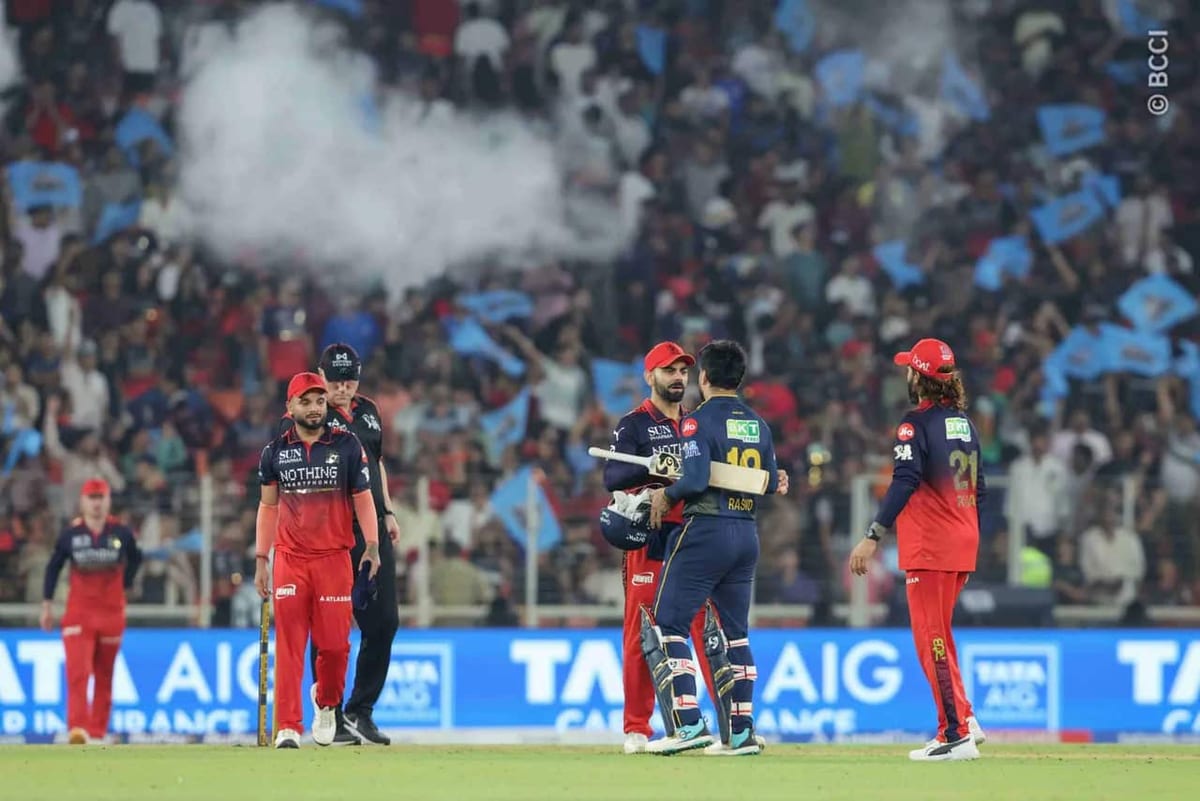
The Gujarat Titans versus Royal Challengers Bengaluru encounter pits championship methodology against aspirational firepower. GT arrives with the confidence of proven winners—their 2022 title an institutional anchor in a franchise barely three seasons old. RCB brings the energy of unfulfilled potential, their star-laden roster carrying the weight of cricket's most passionate fanbase and an empty trophy cabinet.
Hardik Pandya's captaincy represents tactical evolution in Indian cricket leadership. His approach focuses on situational intelligence and role clarity rather than romantic notions about batting glamour or bowling heroics. GT's success stems from understanding T20 cricket as a resource allocation problem: how many overs does each bowler have, which batsmen perform best at specific strike rates, where do fielders create maximum pressure? This framework produces results that traditional captain-by-inspiration models struggle to replicate.
The Architecture of Championship Thinking
GT's team construction reveals sophisticated understanding of cricket's marginal gains. They identify players who excel in specific phases rather than chasing all-format superstars. Their bowling attack typically features specialists: powerplay operators, middle-over control merchants, death-over executioners. This compartmentalization allows each player to perfect narrow skill sets rather than attempting comprehensive excellence. T20 cricket rewards specialized competence over generalized talent.
RCB's historical challenge lies in translating individual brilliance into collective success. Virat Kohli's batting genius becomes a team asset only when supporting elements function properly. The franchise has repeatedly assembled batting lineups capable of posting 200-plus totals, yet struggled with bowling combinations that can defend those scores. GT's success suggests that superior tactics can overcome talent deficits.
Playoff Mathematics and Momentum Shifts
Both franchises typically occupy the IPL's competitive middle tier, where playoff qualification depends on narrow margins. Net run rate calculations frequently determine which teams advance, making every boundary and wicket significant. GT's championship experience provides crucial psychological advantages in pressure situations. They understand how to close out tight games, when to take calculated risks, how to maintain composure when equations shift rapidly.
The middle-order battle holds particular significance for Indian cricket. Performance in this fixture influences national team selection conversations, especially for positions where incumbency remains uncertain. GT's flexible batting order maximizes resources by promoting players based on match situations rather than rigid hierarchy. RCB's traditional top-heavy approach creates opportunities for dramatic partnerships but exposes them to middle-order collapses when early wickets fall.
Tactical Chess Matches and Skill Exhibitions
Key battles within the larger contest reveal Indian cricket's technical sophistication. Kohli's approach against GT's spin attack showcases classical batting technique adapted for modern scoring demands. His ability to rotate strike while identifying boundary opportunities sets the template for how subcontinental batsmen can dominate spin bowling even on helpful surfaces. GT's spinners demonstrate the evolution of T20 spin bowling: variations in pace, trajectory, and length designed to disrupt batting rhythm rather than simply contain runs.
GT's death bowling combinations provide masterclasses in pressure execution. Their bowlers understand that defending totals requires wickets, not just dot balls. This aggressive mindset contrasts with defensive death bowling approaches that merely attempt to limit damage. The difference becomes crucial in close finishes, where teams need bold tactics rather than conservative damage control.
Leadership Philosophies and Team Identity
Pandya's captaincy embodies the new generation of Indian cricket leadership: data-informed, emotionally intelligent, tactically flexible. His on-field decisions reflect preparation rather than intuition. He delegates specific responsibilities to specialist coaches and support staff, focusing his energy on in-game tactical adjustments rather than attempting to micromanage every aspect of team performance.
RCB's identity remains intertwined with individual legacies, particularly Kohli's pursuit of an IPL title to complete his cricket resume. This creates both inspiration and pressure: inspiration because players want to contribute to something historically significant, pressure because expectations exceed normal competitive frameworks. The psychological dynamics affect performance in subtle ways, influencing how players approach risk-taking in crucial moments.
Franchise Models and Indian Cricket's Future
GT's rapid championship success provides a template for efficient franchise operations. Their approach emphasizes scouting infrastructure, data analytics, and tactical preparation over marquee signings and star power. This suggests that IPL success increasingly depends on organizational excellence rather than individual brilliance, a shift that benefits the overall standard of Indian cricket.
The fixture represents two competing visions of cricket excellence. GT believes championships result from systematic preparation and tactical superiority. RCB maintains that talent elevation and emotional inspiration create magic moments that transcend analytical frameworks. GT's track record suggests that consistent process eventually overcomes inconsistent brilliance.
The outcome influences more than playoff standings or net run rates. It shapes perceptions about how cricket success is achieved in the IPL era, whether through methodical competence or inspirational moments. For Indian cricket's broader development, the answer matters: as the game becomes more professional and analytically sophisticated, the ability to blend tactical intelligence with individual skill will determine which teams consistently compete for titles rather than merely hoping for them.