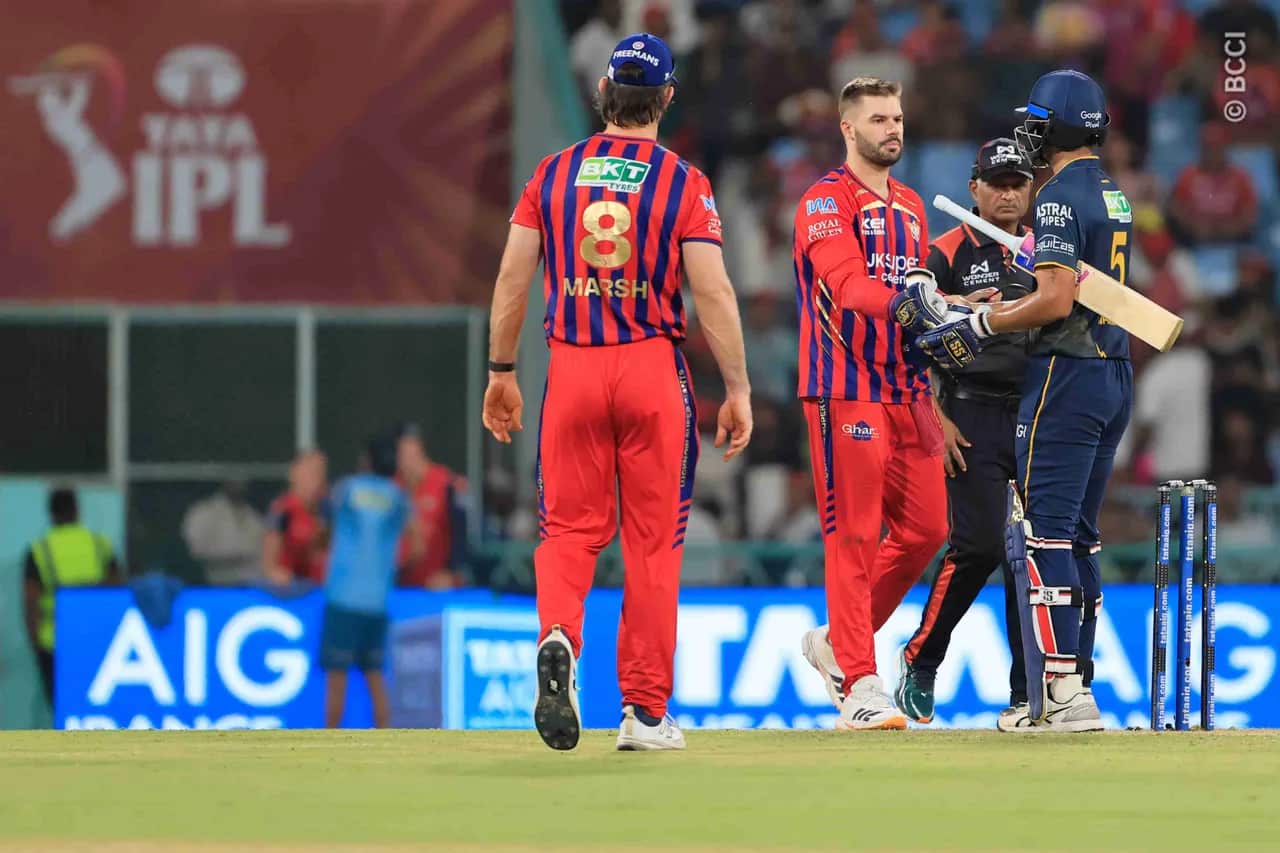
Gujarat Titans defeated Rajasthan Royals by 77 runs, a margin that reflects both individual performances and tactical execution. Shubman Gill's captain's knock and Rashid Khan's bowling combined to give Gujarat a commanding victory that moves them to second place in the IPL 2026 standings.
The win carries significance for Gujarat's playoff trajectory. A 77-run margin demonstrates decisive cricket—not the management of close contests, but the assertion of dominance. Teams that win by this margin have controlled both batting and bowling phases, a pattern that repeats itself in successful tournament campaigns.
Gill's Performance and Leadership
Gill anchored Gujarat's innings while also making the tactical decisions that a captain must make. His field placements and bowling changes guided his team through Rajasthan's batting attempt. This dual contribution—scoring runs and managing the match—is what separates functional captaincy from the kind that wins tournaments.
The India cricket establishment watches Gill's development closely. His ability to perform under pressure while handling the demands of captaincy provides evidence of readiness for higher roles. Modern captaincy requires players who excel across multiple phases in the same match, and Gill's performance against Rajasthan showed that capacity.
Rashid Khan's Bowling Impact
Rashid's figures were decisive, but his real value lay in his adaptability. The Afghan spinner adjusted his variations to the match conditions and opposition intent. His IPL experience has given him fluency with Indian pitches and opposition patterns that extends beyond generic skill.
His partnership with Gill demonstrates how successful teams blend international talent with local tactical understanding. For India's own T20 approach, Rashid's willingness to flight the ball despite aggressive field placements—a confidence in craft rather than caution—offers a strategic template.
Rajasthan's Collapse
Rajasthan's batting breakdown after Gujarat posted a challenging total exposed systemic vulnerability. Their inability to build partnerships was not a matter of individual failures but a pattern that championship contenders will exploit. The 77-run margin will also affect their net run rate in remaining fixtures.
Tournament Implications
Gujarat's movement to second place affects the broader competitive landscape. Their comprehensive victory applies pressure on teams in similar standings. In the IPL's final league weeks, form becomes currency—Gujarat's timing suggests they understand when to peak.
The manner of victory matters. Demolishing an opponent through two complete innings demonstrates the kind of clinical execution that characterizes successful playoff campaigns. Gujarat has shown they can convert promising positions into decisive advantages.
Broader Strategic Insights
Gill's approach to building innings under pressure and Rashid's variations against aggressive batsmen provide templates that extend beyond franchise boundaries. The partnership between captain and key bowler demonstrates tactical synergy that could inform India's own leadership structures.
Gujarat's willingness to maintain attacking intent throughout both innings phases reflects confidence in their tactical approach. This controlled aggression, prioritized over defensive caution, shapes how modern T20 cricket is played. For Indian cricket administrators evaluating player readiness for international roles, performances under this level of pressure are telling. Gujarat demonstrated the tactical clarity and psychological resilience that championship contenders require.