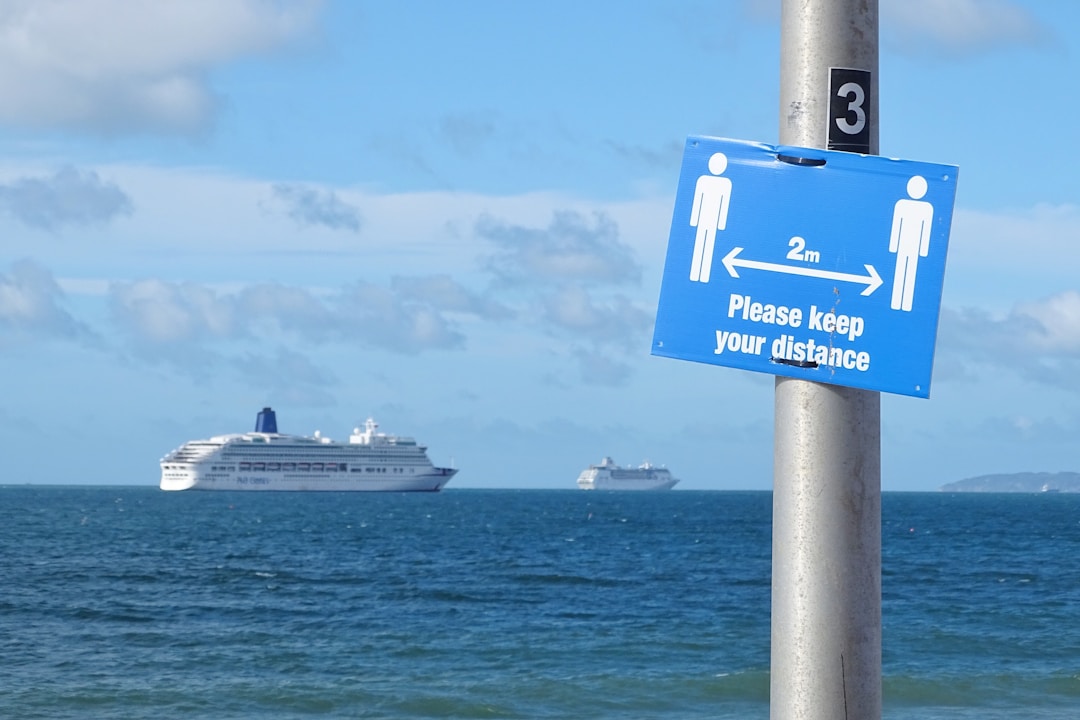
A fourth passenger aboard an international cruise vessel has tested positive for hantavirus, escalating an outbreak that has already claimed three lives and triggered a WHO-coordinated international alert. The confirmation of another case shows the difficulty of containing infectious diseases in the confined environment of cruise ships, where passengers and crew from dozens of countries share enclosed spaces for extended periods.
The outbreak, which began with isolated cases of severe respiratory symptoms, has become a broader public health emergency requiring coordinated international response protocols. Hantavirus, typically transmitted through contact with infected rodent droppings or urine, spreads differently in maritime settings in ways that have caught health authorities off guard.
Maritime Disease Containment Challenges
Cruise ships present epidemiological challenges that traditional disease surveillance systems struggle to address. Unlike land-based outbreaks where populations can be isolated geographically, maritime vessels create mobile infection zones that cross multiple jurisdictions during a single voyage. The confined environment amplifies transmission risks while the international nature of operations complicates response coordination.
The WHO's International Health Regulations framework, designed primarily for airport and border controls, has structural limitations in maritime health emergencies. Ships can spend weeks at sea between port calls, allowing diseases to spread extensively before detection systems activate. When outbreaks are identified, the multi-jurisdictional nature of international waters creates gaps in response authority.
Global supply chains and tourism networks create pathways for disease transmission that existing surveillance systems cannot adequately monitor. The cruise industry's post-pandemic recovery has prioritized passenger volume over health security infrastructure, leaving vessels vulnerable to the outbreak now unfolding.
India's Maritime Workforce Exposure
The outbreak affects India's maritime sector, which supplies substantial workforce to international cruise operations and cargo vessels. Indian nationals working as crew members on global cruise lines face direct exposure risks during such outbreaks, often with limited access to adequate medical facilities while at sea.
India's growing cruise tourism ambitions make these health security gaps relevant. The government has been positioning domestic ports as cruise destinations and promoting the sector as part of tourism development. However, incidents like this hantavirus outbreak show how quickly maritime health emergencies can escalate, potentially damaging India's reputation as a safe cruise destination.
India's participation in WHO's global health surveillance framework is critical during such emergencies. The country's response capacity, in terms of providing medical expertise and pharmaceutical support, positions it as a key player in international outbreak management. The nation's pharmaceutical manufacturing capabilities could prove essential if therapeutic interventions or vaccines become necessary for hantavirus containment.
Global Health Security Architecture Gaps
The cruise ship outbreak exposes weaknesses in international health security coordination that extend beyond maritime settings. WHO's alert mechanism is effective at information sharing but lacks enforcement powers to ensure consistent safety protocols across different flag states and port authorities.
The incident shows how modern travel patterns create infection vectors that transcend traditional disease surveillance models. Passengers and crew from this outbreak will likely disperse to multiple countries before symptoms fully manifest, creating secondary transmission risks across numerous health systems simultaneously.
For countries like India that participate in multiple international health frameworks, such outbreaks test the effectiveness of coordinated response mechanisms. The Quad partnership's health security initiatives, which emphasize pandemic preparedness and regional cooperation, provide relevant frameworks for addressing maritime health challenges in the Indo-Pacific region.
Pharmaceutical Response Capabilities
India's pharmaceutical sector faces challenges and opportunities from outbreak scenarios. While hantavirus has no established therapeutic protocol, the incident shows how quickly international health emergencies can create demand for diagnostic capabilities, therapeutic interventions, and specialized medical supplies.
The country's generic pharmaceutical manufacturing strength becomes strategically valuable during health emergencies that require rapid scaling of production. Hantavirus represents the type of emerging pathogen challenge where India's research and development capabilities, rather than just manufacturing scale, determine response effectiveness.
Indian pharmaceutical companies with international cruise line contracts or maritime health service capabilities may find themselves directly involved in outbreak response efforts. This creates both business opportunities and regulatory compliance challenges as companies navigate multiple jurisdictions' emergency health protocols.
Strategic Health Security Implications
The outbreak shows that global health security has become inseparable from economic security, particularly for nations dependent on international trade and tourism. Countries like India, with extensive maritime trade routes and growing cruise tourism sectors, cannot isolate themselves from such health security challenges.
The incident supports arguments for strengthening India's domestic health manufacturing capabilities and reducing dependence on international supply chains for critical medical responses. When health emergencies strike international vessels, rapid domestic response capability becomes a strategic asset.
For India's foreign policy, such outbreaks create opportunities to demonstrate global health leadership while advancing broader strategic objectives. Providing medical expertise, pharmaceutical support, or evacuation assistance during international health emergencies builds soft power and strengthens bilateral relationships with affected countries.
The hantavirus cruise outbreak reveals systemic vulnerabilities in global health security architecture that affect maritime commerce, tourism, and international cooperation. As India continues expanding its role in global health governance and maritime sector development, addressing these vulnerabilities is both a domestic security priority and an opportunity for international leadership.