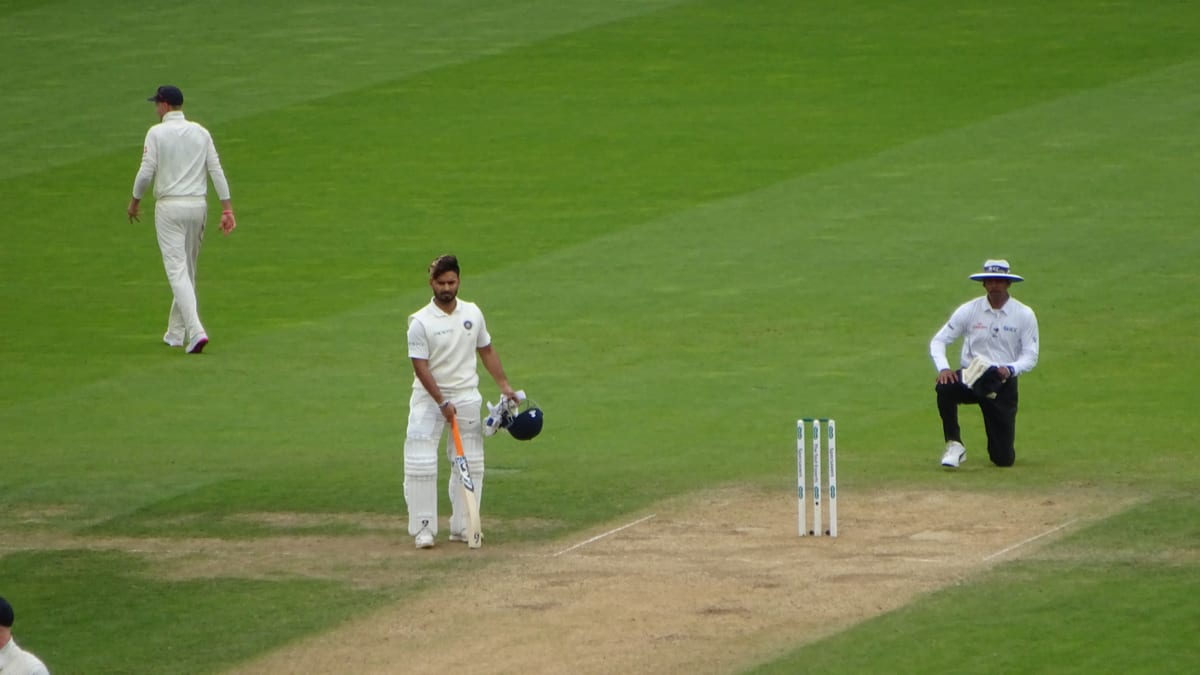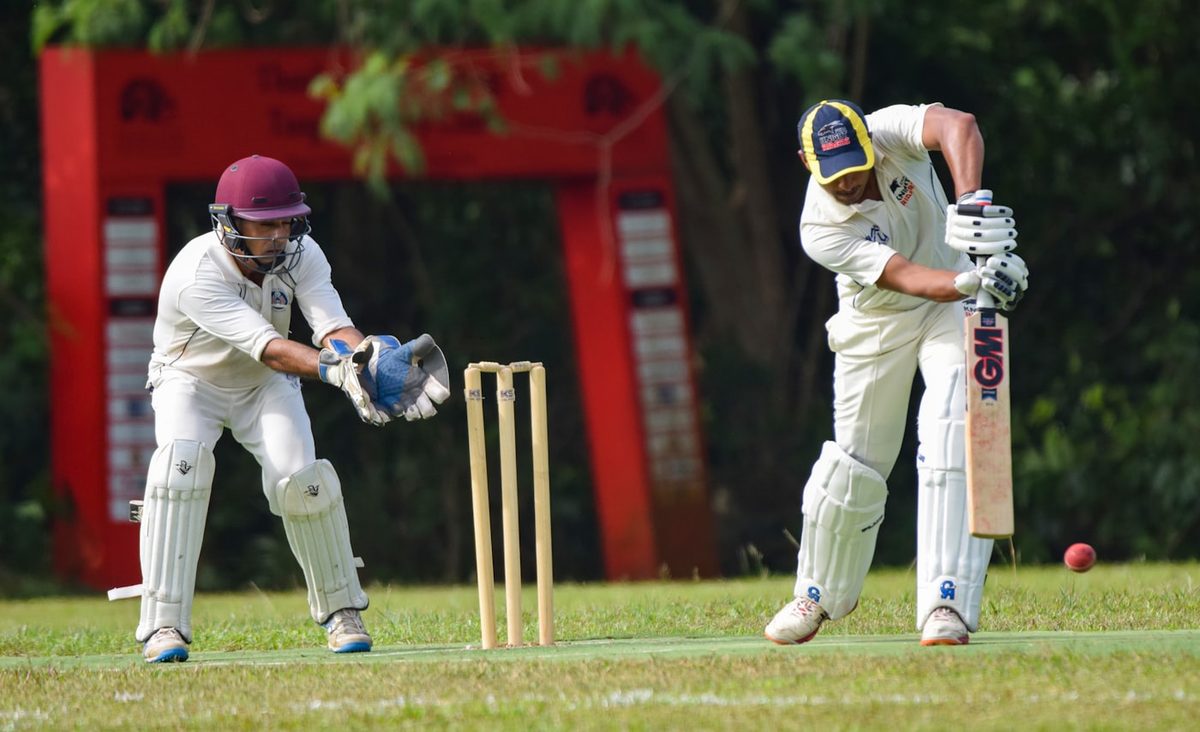

Harare Sports Club's pitch does not care about reputations. It sits low and slow, offering variable bounce that disrupts timing and rewards patience, and it has been doing exactly that to India's touring batters across this series. ESPNcricinfo reports that the conditions have presented persistent difficulties for batting and will continue to do so on Saturday, with Zimbabwe's challenge remaining live despite India rediscovering their winning form after an early wobble.
The surface is the story here, more than the scoreline. Harare in southern African winter produces pitches that behave nothing like the subcontinental tracks India's second-string players have grown up on, and nothing like the batting-friendly T20 arenas where most of them have built their reputations in franchise cricket. Balls keep low. Seam movement persists longer than expected. Spinners find purchase without needing to flight the ball extravagantly. For a batting unit accustomed to adjusting length rather than rethinking its entire approach, this is a technical examination with no multiple-choice section.
When Conditions Do the Selectors' Job
India's senior core is absent from this tour, resting ahead of a demanding white-ball calendar. That absence transforms the series into something more consequential: an extended audition under conditions that cannot be gamed. A player who makes runs on this surface is demonstrating something specific — the ability to leave well, to rotate strike against spin without gifting catches to short leg, to read a pitch that offers no charitable second chances. These are precisely the skills that disappear when a touring team paddles through a series against weakened opposition on flat decks.
The tactical decisions India's management faces on Saturday are not abstract. Whether the batting order pushes aggressive intent early — burning through the surface's most dangerous period quickly — or builds through patient partnerships will define not just the match outcome but the impression each player leaves with the selectors monitoring from home. Batting order flexibility, how a middle-order batter responds to a delivery that stops on him unexpectedly, whether a finisher can recalibrate when the pitch refuses to allow the pre-meditated swing — these small decisions accumulate into a portrait of temperament that a net session cannot replicate.
India's bowling management carries equal scrutiny. On a slow Harare surface, the instinct to rely on pace and bounce must give way to something more precise: varying lengths to create doubt, using the crease to alter the angle on a surface that offers little natural assistance, managing overs to keep pressure cumulative rather than episodic. Bowlers who adapt lengths intelligently will separate themselves. Those who do not will have answered a selector's question they didn't know they were being asked.
Zimbabwe's Threat Is Not Hypothetical
It would be comfortable to dismiss Zimbabwe's continued relevance in this series as narrative window-dressing. That comfort is unearned. Zimbabwe at home, on surfaces they understand intimately, with seamers and spinners who have spent careers learning exactly how much the Harare pitch will assist them, represent a genuine obstacle — not a formality to be processed. Their home-pitch advantage is structural, not sentimental, and it has historically produced results that embarrass visiting sides who mistake lower ICC rankings for lower competitive threat.
A Zimbabwe series victory, were it to materialise, would not simply be a scoreline upset. It would fracture the comfortable narrative around India's bench depth and provoke a public reckoning about what the second tier of Indian white-ball cricket is capable of. The BCCI's talent pipeline is deep, but depth is not the same as readiness, and readiness under pressure in adverse overseas conditions is a specific capability that can only be verified by deploying players in exactly these circumstances. The tour's competitive edge is the entire point.
The Temperament Question Selectors Cannot Answer from a Spreadsheet
Indian cricket commentary will focus, as it always does, on strike rates, averages, and boundary counts. Those numbers matter, but they are a partial account of what this tour is measuring. The more revealing data sits elsewhere: dot-ball consumption under pressure, how a batter responds in the over after losing a partner, whether a bowler maintains his line and length when a batsman manufactures a boundary off a good delivery. These psychological residues of high-quality cricket accumulate in the memory of selectors making close calls.
Harare's conditions neutralise natural talent and force players to reveal the underlying structure of their game. A batter who has survived on timing and quick feet finds those weapons diminished on a slow surface; what remains is footwork, judgment outside off-stump, and the willingness to occupy the crease without scoring. Some players discover that their game has exactly that structure underneath. Others discover that it does not, that without pace in the pitch and true bounce their technical foundation is thinner than their franchise numbers suggested. The Harare pitch is a diagnostic tool, ruthlessly efficient.
Head coach Gautam Gambhir's selections and the tactical calls his management team makes on Saturday will be read for philosophical signals as much as strategic ones. How the team responds when Zimbabwe's spinners exploit the surface — whether the batting unit grinds patiently or attempts to accelerate its way through difficulty — will reveal something about the team culture Gambhir is constructing. The post-match communication will matter too: how the coaching staff frames individual performances, what they emphasise in public, will indicate whether this tour is being treated as a genuine developmental exercise or as an administrative obligation to be completed before the more important calendar resumes.
What Saturday Means Beyond Saturday
Net run rate, series scoreline, and match result are the obvious outputs of Saturday's contest. They are not the most important ones. The most important output is the evidence each player adds to a selection file that will be consulted when India's white-ball squads are assembled for the next ICC cycle — evidence gathered under conditions that replicate overseas pressure that defines tournament cricket at the highest level.
Zimbabwe's competitive showing in this series, whatever Saturday's result, also carries a value that extends beyond Indian interests. A Zimbabwe side that pushes India hard in home conditions strengthens their ICC ranking and broadens the competitive landscape of international cricket. The slow, difficult Harare pitch has served everyone: it has given Zimbabwe genuine leverage, given India's fringe players a genuine examination, and given selectors back home genuine data. The scoreline will be settled on Saturday. The more consequential verdicts are already being written, one grinding partnership and one probing over at a time.