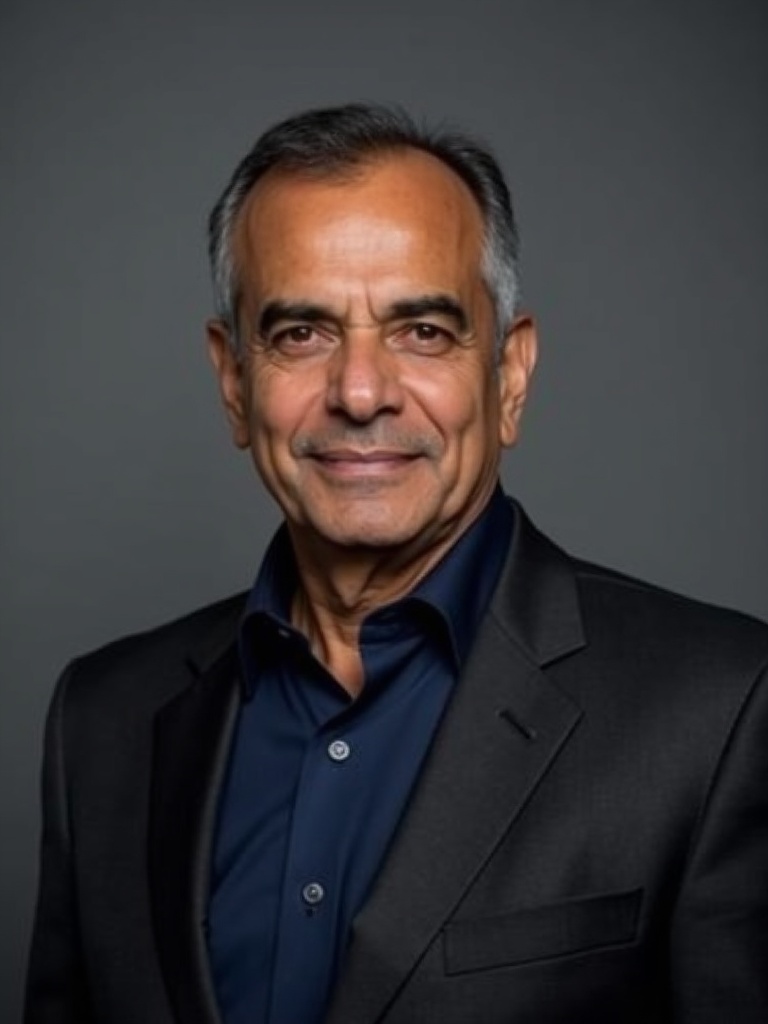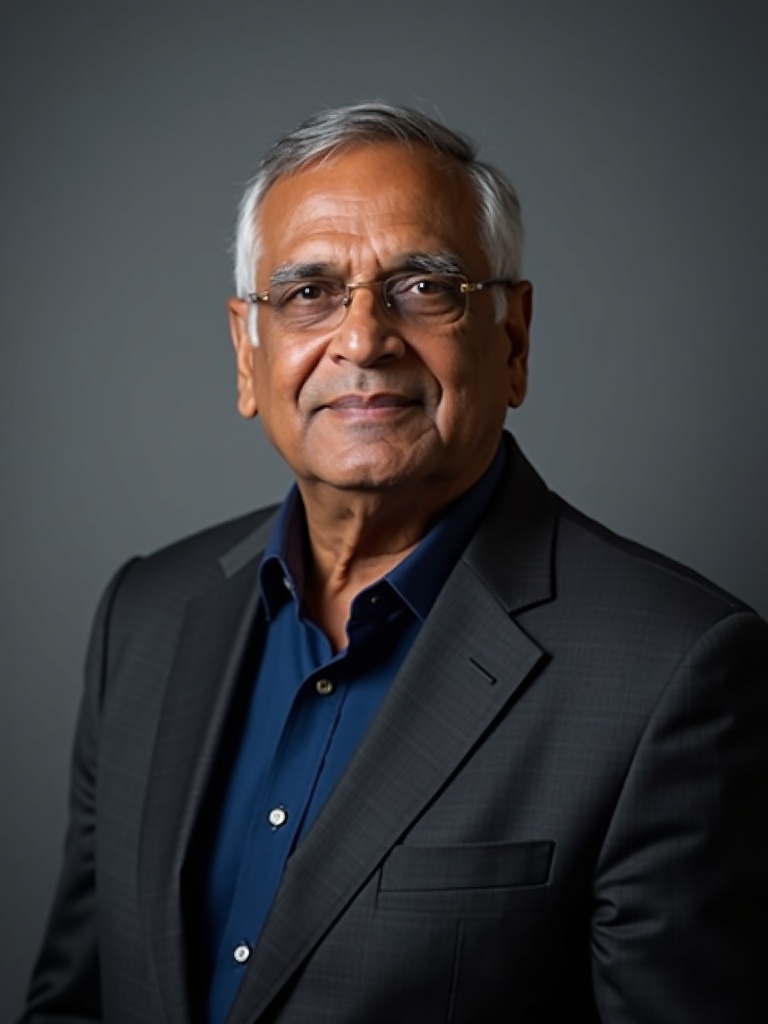
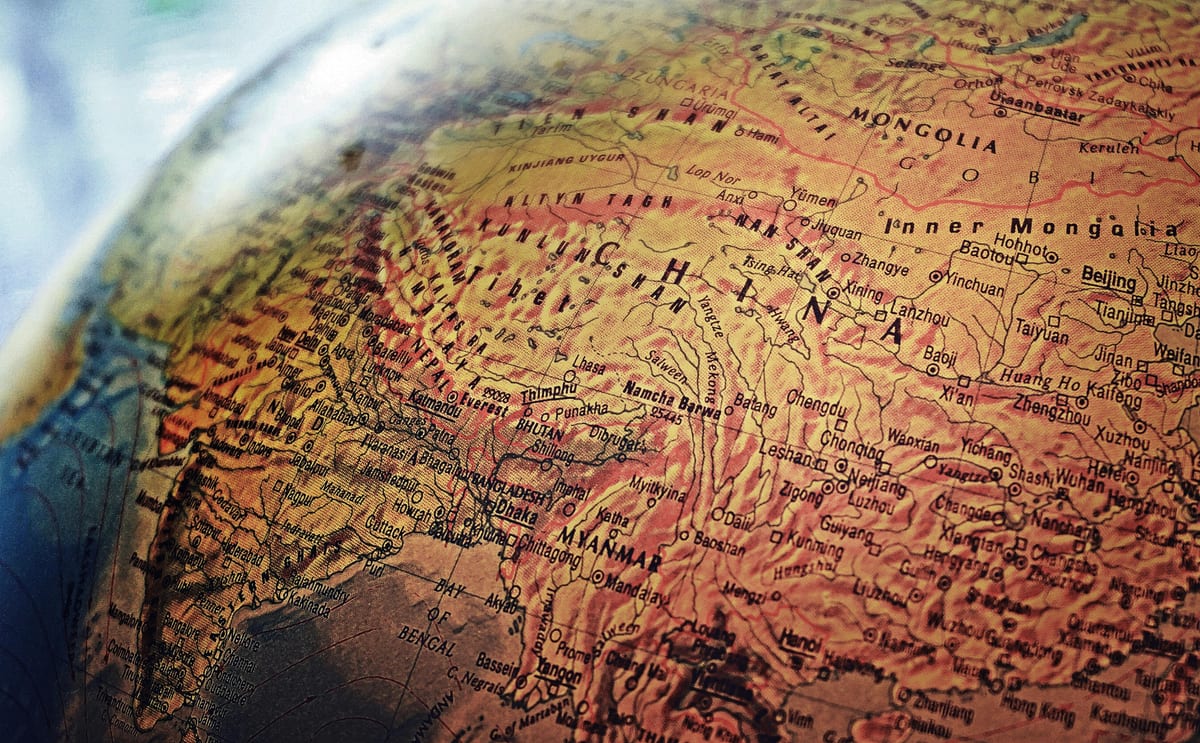
India's diplomatic machinery engaged with China through the 35th Working Mechanism meeting held in Beijing on May 27, 2026. The talks, led by Joint Secretary Sujit Ghosh for India and Director General Hou Yanqi for China, examined New Delhi's approach to managing the world's longest unresolved boundary dispute through institutional channels rather than military confrontation.
The Ministry of External Affairs described the discussions as "constructive and forward looking," with both delegations reviewing the situation across India-China border areas. Both parties expressed satisfaction with progress in maintaining peace and tranquility, which officials said had enabled "gradual normalization of bilateral relations." This language signals cautious optimism about managing relations despite underlying territorial disagreements.
The meeting agenda reflected the complexity of border management along the 3,488-kilometer disputed boundary. Discussions covered delimitation issues, border management protocols, mechanism building, and cross-border cooperation frameworks. India stressed the importance of convening the next Expert Level Mechanism on Trans-border Rivers, extending its approach to Sino-Indian boundary questions beyond pure territorial demarcation.
Institutional Architecture for Strategic Stability
The Working Mechanism, established in 2012, reflects India's recognition that sustained diplomatic engagement prevents the kind of military escalations that erupted at Galwan in 2020. This institutionalized approach allows both nations to address border tensions without triggering broader strategic competition across multiple theaters. For India, maintaining predictable channels of communication with China creates space to pursue its Indo-Pacific strategy without constant frontier crises.
Both sides agreed to maintain regular diplomatic and military exchanges through mechanisms established during the 24th Special Representatives talks. This commitment to procedural continuity shows that despite strategic rivalry, both governments recognize the value of managed tension rather than uncontrolled escalation. The agreement to prepare substantively for the next Special Representatives meeting in China signals sustained high-level attention to boundary issues.
During the Beijing visit, Indian delegation leader Ghosh met with Liu Jinsong, Director General of the Department of Asian Affairs, and made a courtesy call on Chinese Assistant Foreign Minister Hong Lei. These protocol meetings indicate that border discussions occur within broader diplomatic frameworks, not as isolated technical exercises.
Border Stability as Strategic Foundation
India's approach to these working-level meetings reflects a broader strategic calculation about managing great power competition. By maintaining institutional dialogue with China on border issues, New Delhi creates operational space for its multi-alignment foreign policy. Border stability enables India to strengthen partnerships with democratic allies through mechanisms like the Quad without appearing driven primarily by anti-China sentiment.
The emphasis on "gradual normalization" suggests both sides recognize that border resolution cannot be separated from broader bilateral relationship dynamics. For India, this measured approach allows continued economic engagement with China while maintaining firm positions on territorial integrity. The diplomatic language avoids zero-sum framings that would force either side into inflexible positions.
India's stress on the Trans-border Rivers mechanism reveals how boundary management connects to domestic development priorities. Water security concerns affect millions of Indians in border regions, making these technical discussions politically significant beyond pure territorial questions. The Working Mechanism serves multiple functions: preventing military crises, managing practical cross-border issues, and maintaining diplomatic channels during periods of strategic competition.
Strategic Autonomy Through Institutional Engagement
The 35th meeting demonstrates India's capacity to pursue independent diplomatic channels with China while simultaneously deepening partnerships with other major powers. This institutional approach to border management reflects strategic autonomy in practice—engaging all major powers from positions of strength rather than being forced into binary choices between competing blocs.
India's consistent participation in these mechanisms signals confidence in its diplomatic capabilities and institutional memory. The Working Mechanism has survived multiple bilateral crises, government changes in both countries, and broader shifts in global strategic competition. This institutional resilience creates predictable frameworks for managing unpredictable territorial disputes.
The Beijing meeting's constructive tone, despite ongoing strategic rivalry between India and China, reflects mature diplomatic practice. Both sides maintain working relationships at technical levels while competing at strategic levels. This compartmentalization allows practical cooperation on specific issues without broader strategic convergence.
Regional Implications and Forward Trajectory
Border stability between Asia's two largest economies creates positive effects for regional security. When India and China manage their disputes through diplomatic channels, it reduces pressure on other regional powers to choose sides or prepare for potential conflict spillovers. This stability enables India to position itself as a responsible regional power committed to dialogue-based dispute resolution.
The agreement to prepare substantively for the next Special Representatives meeting indicates both sides view the current trajectory as sustainable. These high-level mechanisms complement working-level dialogues, creating multiple channels for addressing different aspects of boundary questions. For India, this layered approach provides flexibility to escalate or de-escalate engagement based on broader strategic considerations.
The emphasis on cross-border cooperation frameworks reflects recognition that pure boundary demarcation may be less important than managing practical interactions across disputed areas. This functional approach allows both sides to pursue development priorities in border regions without prejudicing ultimate territorial claims.
India's sustained engagement through the Working Mechanism reflects confidence in its growing strategic weight and institutional capabilities. As India's economic and military capacity expands, these diplomatic mechanisms provide frameworks for managing competition with China from positions of increasing strength rather than defensive postures. The 35th meeting represents continuity in India's approach to boundary management while the broader strategic context continues evolving in India's favor.