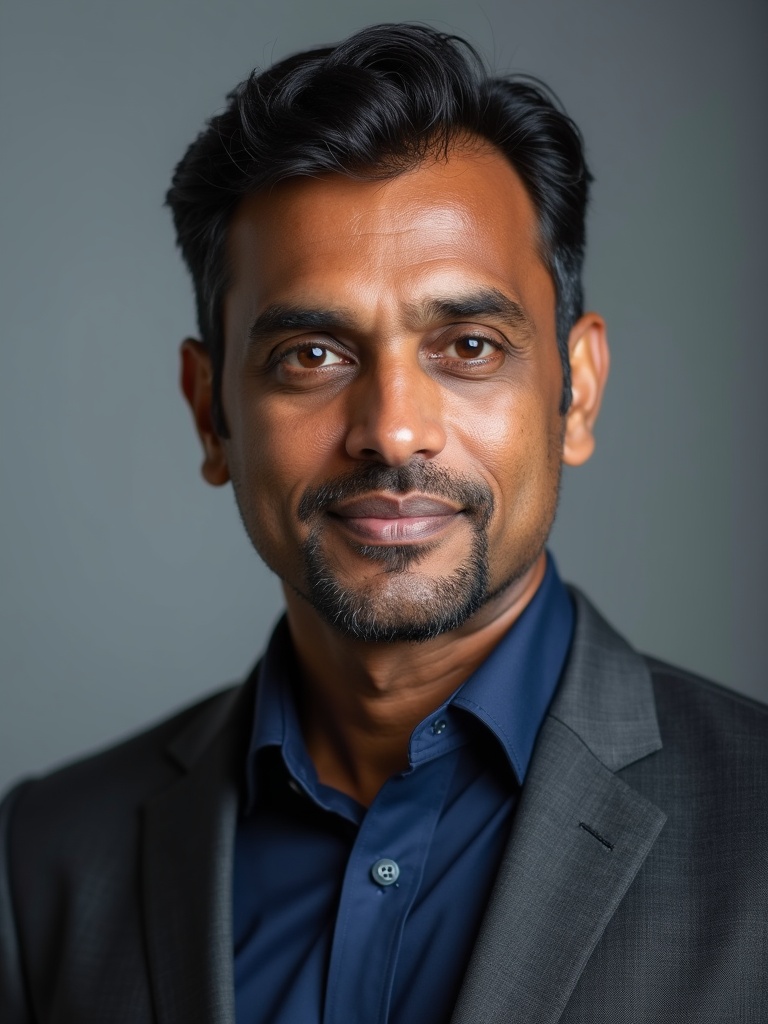
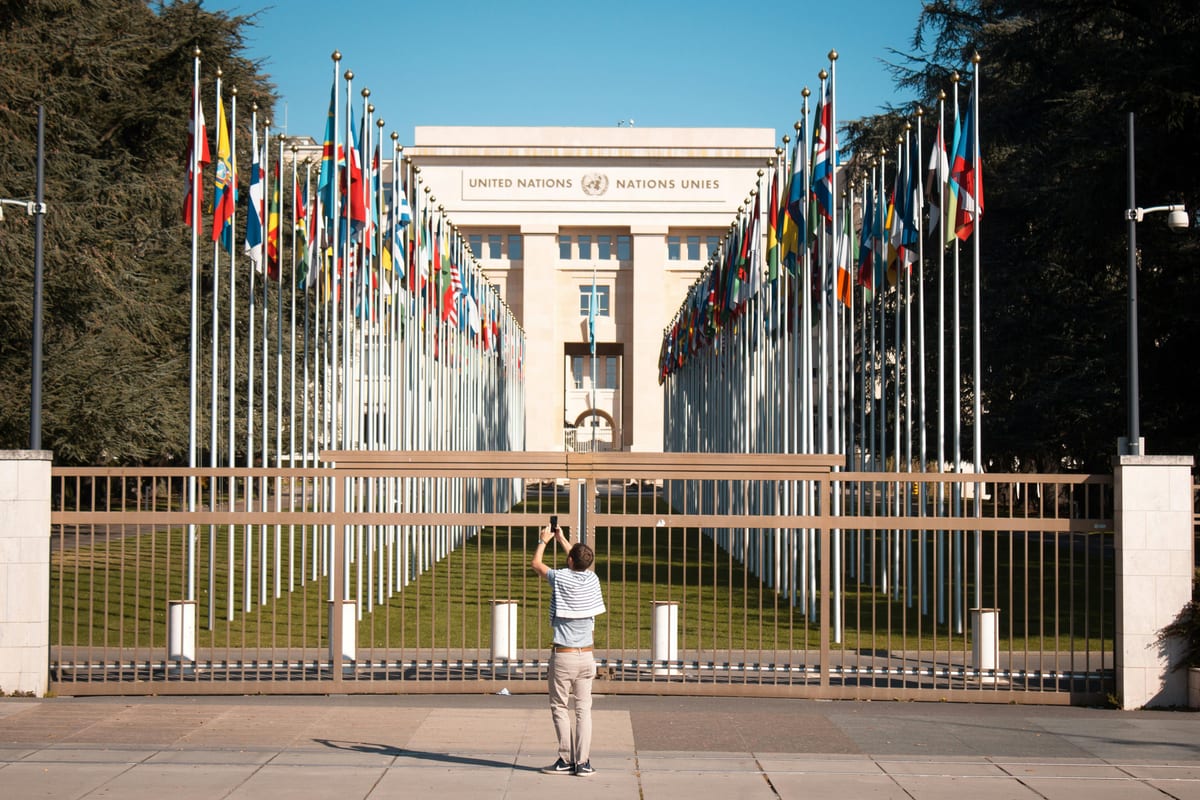
UN Secretary-General António Guterres issued a sharp critique of global power structures Wednesday, declaring that Security Council reform "is absolutely essential" while condemning the impunity of veto-wielding "superpowers." His statements came alongside urgent calls to reopen the Strait of Hormuz, linking maritime security to broader questions of multilateral effectiveness.
The Secretary-General's intervention arrives at a moment when traditional power arrangements face mounting pressure. His characterization of current UNSC dynamics as enabling "superpower impunity" represents unusually direct language from the UN's chief diplomat, signaling institutional frustration with deadlock mechanisms that have paralyzed collective security responses across multiple crises.
India's Strategic Validation
Guterres' assessment validates the diplomatic framework India has built around UNSC reform over two decades. New Delhi has consistently argued that the Council's legitimacy crisis stems from its failure to reflect contemporary global power distribution rather than the post-1945 settlement that elevated five nations to permanent status. The world's most populous country and fifth-largest economy has positioned this argument as institutional necessity.
India's approach through the G4 framework—alongside Brazil, Germany, and Japan—gains weight from the Secretary-General's critique. Where Western analyses often frame UNSC expansion as accommodation of rising powers, India has recast the debate as democratization of global governance. This distinction matters because it shifts the conversation from privilege to representation, from concession to legitimacy.
The timing amplifies India's strategic positioning. Recent Voice of Global South summits have established New Delhi as an advocate for developing-country representation in multilateral institutions. Guterres' statement provides institutional support for arguments that India has been advancing through South-South diplomacy—that current structures actively undermine the collective security they were designed to protect.
Institutional Credibility and Reform Momentum
The Secretary-General's language signals a shift in institutional thinking about UNSC effectiveness. His reference to "superpower impunity" acknowledges what India has long argued: that veto powers designed to prevent great-power conflict have become instruments for avoiding accountability. This creates diplomatic space for reform proposals that move beyond incremental adjustments to structural transformation.
India's reform advocacy has consistently emphasized functionality over representation, arguing that an expanded Council would deliver better security outcomes rather than simply broader participation. This practical focus distinguishes Indian proposals from those that treat permanent membership as recognition of past achievement rather than investment in future governance.
The current global context strengthens this argument. From Ukraine to Gaza, from climate finance to pandemic response, existing structures have demonstrated their limitations in addressing transnational challenges. Guterres' critique acknowledges institutional failure, creating momentum for the comprehensive reform that India has championed.
Multi-Alignment and Multilateral Strategy
India's UNSC campaign operates within a broader strategic framework that positions New Delhi as a bridge between developed and developing worlds. Unlike traditional great-power bids for institutional recognition, India's approach emphasizes its role as a responsible stakeholder capable of advancing collective interests rather than narrow national advantages.
This strategy reflects India's multi-aligned foreign policy approach, where engagement with all major powers creates diplomatic flexibility rather than strategic constraint. The same framework that allows India to maintain relationships with both Washington and Moscow positions New Delhi as a credible advocate for Global South interests within reformed multilateral institutions.
The Secretary-General's critique of "superpower impunity" resonates with India's argument that current arrangements privilege process over outcomes. Where traditional permanent members often use institutional position to avoid difficult decisions, India has demonstrated willingness to engage constructively on complex challenges from climate finance to terrorism to maritime security.
Global South Leadership and Strategic Autonomy
Guterres' statement arrives as India consolidates its position as a voice for developing countries in global governance debates. The Voice of Global South summits have established frameworks for collective action that bypass traditional North-South divisions, creating alternative channels for multilateral engagement.
This positioning allows India to advance UNSC reform as part of broader institutional modernization rather than specific national ambition. By linking Council expansion to effective global governance, India transforms what could appear as power-seeking into system-strengthening. The Secretary-General's critique provides external validation for this framing.
The strategic advantage lies in demonstrating that India's rise serves collective rather than narrow interests. Unlike traditional great powers that used institutional position to project dominance, India's approach emphasizes shared challenges and cooperative solutions. This creates diplomatic support for reform proposals that might otherwise face resistance from countries concerned about new hierarchies.
Implementation Challenges and Strategic Opportunities
Despite institutional momentum, UNSC reform faces structural obstacles that require sustained diplomatic engagement. The same veto powers that Guterres criticized retain the ability to block formal amendments to the UN Charter. This creates a tactical challenge for reform advocates who must build pressure for change while working within existing procedural constraints.
India's strategy focuses on demonstrating the costs of institutional paralysis rather than demanding immediate formal recognition. By highlighting specific failures of collective security, reform advocates can build pressure for change that transcends traditional resistance. The Secretary-General's critique provides an analytical framework for this approach.
The broader question involves timing and sequencing. Reform momentum requires sustained pressure rather than dramatic breakthroughs, building credibility through consistent engagement rather than demanding sudden transformation. India's approach recognizes these constraints while maintaining strategic pressure for meaningful change.
The Secretary-General's intervention signals that current arrangements undermine rather than strengthen global governance. For India, this creates diplomatic opportunity to advance reform proposals that serve collective security rather than narrow national interests. The challenge lies in converting analytical consensus into procedural progress, transforming criticism of existing structures into support for specific alternatives that address 21st-century governance challenges through expanded representation and enhanced accountability.