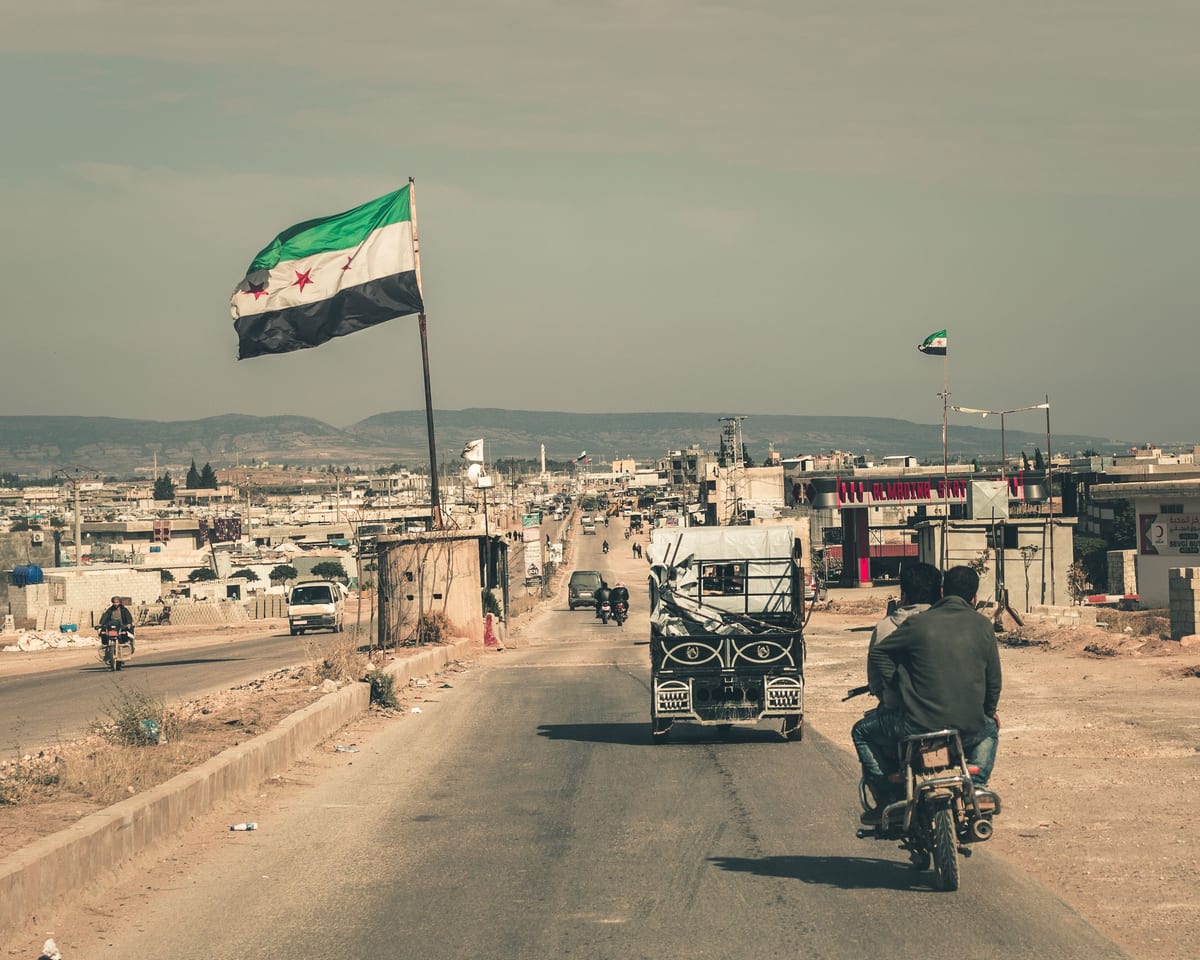
The UN Security Council convened its annual debate on civilian protection in armed conflict against the stark backdrop of escalating global casualties, with the UN's top humanitarian official reporting one civilian killed every 14 minutes last year. The gathering in New York focused on mounting attacks on humanitarian workers and systematic destruction of civilian infrastructure across multiple conflict zones worldwide.
The session comes as international humanitarian law faces unprecedented strain, with ambassadors confronting evidence of widespread violations that threaten the foundational principles of conflict conduct established since the Geneva Conventions. Rising civilian casualties, targeted attacks on medical facilities, and deliberate obstruction of humanitarian access mark a deteriorating global situation that requires renewed commitment to protection frameworks.
Peacekeeping Operations Under Pressure
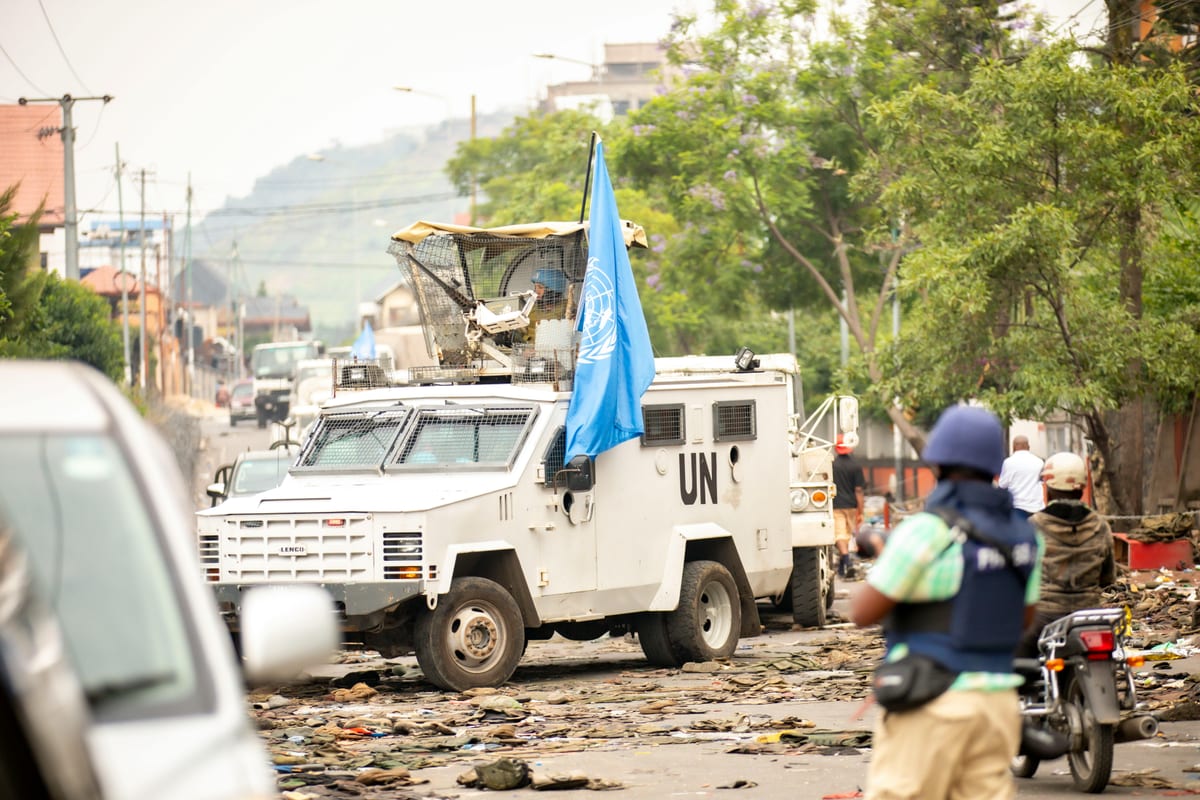
For India, these developments carry immediate operational significance. As the world's largest contributor to UN peacekeeping missions, India deploys thousands of military and police personnel across conflict zones where civilian protection constitutes a core mandate component. The deteriorating security environment directly affects the safety and effectiveness of Indian peacekeepers operating in increasingly hostile conditions.
The escalating civilian casualty rates reflect operational challenges that Indian peacekeeping forces encounter daily in missions across Africa, the Middle East, and other volatile regions. When civilian protection failures occur in areas where Indian troops serve, it impacts both mission effectiveness and the safety of Indian personnel tasked with implementing protection mandates.
India's extensive peacekeeping experience provides unique insights into the practical challenges of civilian protection. Indian commanders understand the ground-level complexities of protecting civilians while respecting sovereignty principles and working within constrained rules of engagement that reflect political rather than operational realities.
Strategic Autonomy in Humanitarian Leadership
The current crisis creates opportunities for India to advance civilian protection approaches that reflect developing-nation perspectives rather than Western humanitarian intervention models. India's consistent emphasis on state responsibility for civilian protection, combined with support for UN peacekeeping mandates, offers a sovereignty-respecting framework that contrasts sharply with more aggressive interventionist approaches.
UK Ambassador James Kariuki's statement to the Security Council calling on all conflict parties to protect civilians represents the type of normative pressure that India can support while maintaining its principled stance against unilateral humanitarian interventions that bypass state sovereignty.
This positioning allows India to build humanitarian leadership credentials within Global South frameworks where sovereignty concerns remain paramount. Many developing nations view Western-led humanitarian intervention frameworks with suspicion, creating space for India to propose protection mechanisms that balance humanitarian imperatives with respect for state sovereignty and non-interference principles.
Global South Diplomatic Architecture
India's humanitarian diplomacy increasingly operates through Global South platforms that offer alternatives to Western-dominated humanitarian governance structures. The Voice of Global South summits and BRICS humanitarian cooperation frameworks provide venues for India to advance civilian protection approaches that reflect developing-nation priorities and constraints rather than Western normative preferences.
These multilateral platforms allow India to leverage its peacekeeping experience while building consensus among nations that share sovereignty concerns and face similar resource constraints in addressing humanitarian crises. The approach contrasts with Western tendency to establish humanitarian standards that developing nations cannot realistically implement without significant external support or intervention.
India's strategy emphasizes practical cooperation over normative pressure, focusing on technical assistance, capacity building, and shared operational experiences rather than compliance monitoring or conditional assistance that characterizes many Western humanitarian approaches. This methodology resonates particularly well with African nations where India maintains significant peacekeeping commitments.
Operational Innovation in Protection
The civilian protection crisis demands innovative approaches that India is uniquely positioned to develop through its extensive field experience across diverse conflict environments. Indian peacekeeping operations have developed practical protection methodologies adapted to local conditions, cultural sensitivities, and resource constraints that often prove more effective than standardized Western models.
These innovations include community-based protection networks that work with traditional governance structures, flexible protection strategies that adapt to rapidly changing conflict dynamics, and integration approaches that combine peacekeeping with humanitarian assistance and development programming. Such methods reflect India's development cooperation philosophy emphasizing local ownership and sustainable solutions.
The deteriorating global situation provides opportunities for India to share these methodologies through technical assistance programs, peacekeeping training initiatives, and South-South cooperation frameworks that build developing-nation capacity for civilian protection without compromising sovereignty principles or creating dependency relationships.
Multilateral Leadership Prospects
India's growing influence in multilateral institutions positions the country to shape civilian protection frameworks that reflect practical operational experience rather than theoretical policy preferences. This influence extends across UN forums, regional organizations, and emerging multilateral platforms where India exercises increasing leadership authority.
The current crisis creates demand for fresh approaches to civilian protection that move beyond the stalled debates between sovereignty and intervention that have paralyzed much of the international humanitarian system. India's balanced position allows it to propose pragmatic solutions that acknowledge both humanitarian imperatives and sovereignty concerns.
As global conflicts intensify and civilian casualties mount, India's extensive peacekeeping experience becomes an increasingly valuable asset for developing effective protection mechanisms. The country's ability to operate successfully in diverse conflict environments while maintaining relationships with all parties positions India as a credible mediator capable of advancing protection frameworks acceptable to both conflict parties and the international community.
The Security Council's urgent focus on civilian protection reflects a humanitarian crisis that demands practical solutions rather than ideological frameworks. India's combination of operational experience, multilateral influence, and sovereignty-respecting approaches positions the country to advance civilian protection innovations that serve humanitarian needs while respecting the principles that underpin stable international order.