India's diplomatic machinery has doubled down on its Afghanistan strategy, with the Ministry of External Affairs reinforcing New Delhi's commitment to humanitarian assistance and development cooperation while carefully sidestepping the thorny question of Taliban recognition. MEA spokesperson Randhir Jaiswal described the approach as support for "contiguous neighbours" — a calculated bet that principled engagement will preserve India's strategic interests in a region where great power competition intensifies.
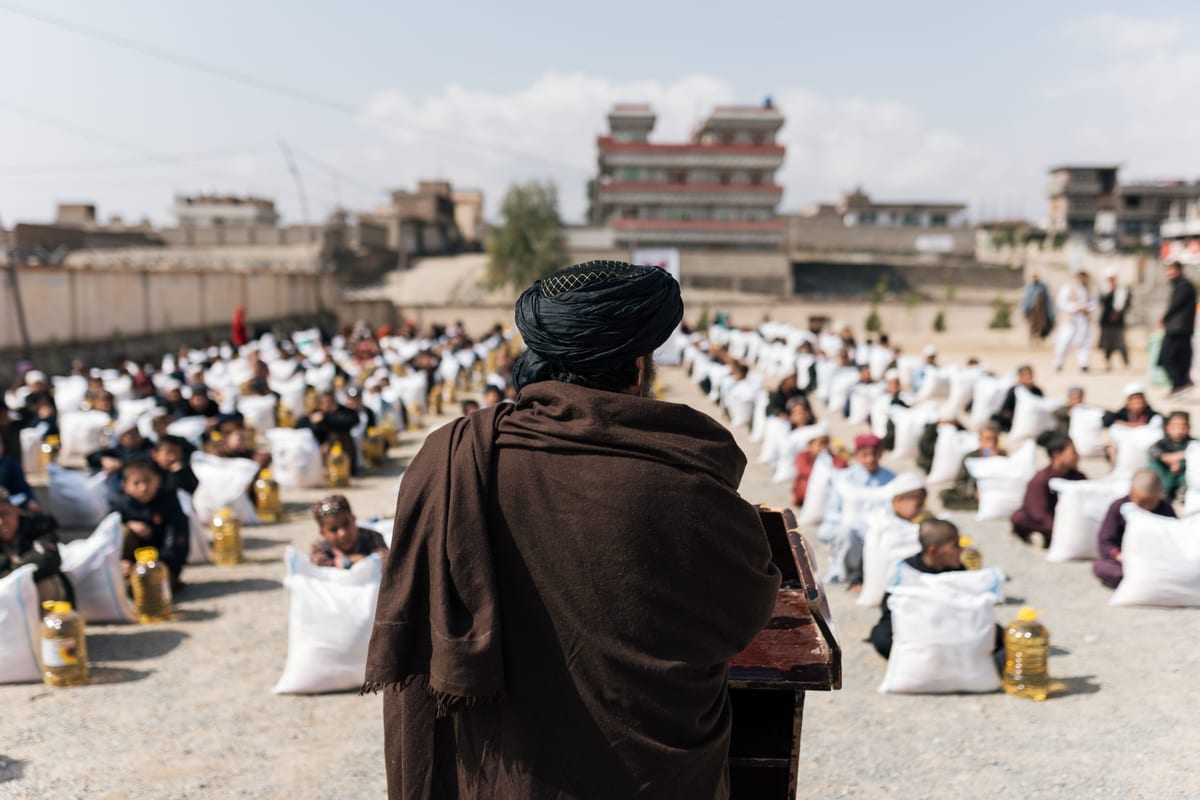
Speaking at this week's media briefing, Jaiswal emphasised India's focus on Afghan welfare through ongoing humanitarian efforts and development projects, including support for food security, pharmaceutical assistance, healthcare, and scholarships for students. India's Permanent Representative to the United Nations Parvathaneni Harish stated at a UN Security Council meeting on Afghanistan that India and Afghanistan are "contiguous neighbours and civilisational states" with ties spanning centuries.
The Architecture of Engagement Without Recognition
India's Afghanistan policy maintains substantial engagement while withholding the political legitimacy that formal recognition would confer. Jaiswal's emphasis on development programmes that benefit "all sections of society, including women and children" signals Delhi's awareness that any sustainable Afghan relationship must transcend the current political configuration in Kabul.
By framing assistance as people-to-people cooperation rather than government-to-government aid, India preserves flexibility for future political transitions while building goodwill among Afghan populations who will outlast any particular regime. The approach also allows India to continue its development footprint without triggering the diplomatic complications that formal Taliban recognition would create with Western partners.
The humanitarian focus has deeper strategic logic. Afghanistan's geographical position at the crossroads of Central and South Asia makes its stability crucial for India's broader regional security architecture. The country shares a direct border with Pakistan, and any collapse in Afghan governance creates spillover effects — from refugee flows to terrorist sanctuary — that directly impact Indian interests.
Preserving Strategic Assets in Uncertain Times
India's substantial infrastructure investments in Afghanistan are strategic assets that require protection regardless of who governs in Kabul. The careful language around "development cooperation" and "capacity-building opportunities" suggests India is working to maintain these investments while navigating the diplomatic constraints of dealing with an unrecognised government.
The emphasis on education and healthcare reflects a longer-term calculation about Afghan society's trajectory. By investing in human capital development and institutional capacity, India positions itself as an indispensable partner for Afghanistan's reconstruction, regardless of political changes. This contrasts with approaches that tie assistance to immediate political outcomes, creating influence that transcends regime changes.
Jaiswal's reference to "civilisational states" is significant. It positions the India-Afghanistan relationship within historical and cultural frameworks that predate current political arrangements, suggesting that temporary political disruptions cannot fundamentally alter deeper civilisational connections. This framing also implicitly counters Pakistani and Chinese narratives about their respective roles in Afghan affairs.
Regional Competition Through Development Diplomacy
India's Afghanistan engagement occurs within a broader context of regional power competition where development assistance becomes a tool of strategic influence. By maintaining its humanitarian and development presence, India ensures that Afghan reconstruction discussions cannot proceed without Indian participation, effectively preserving its voice in Afghanistan's future regardless of current political realities.
Middle powers can exercise influence through sustained engagement rather than dramatic gestures. While great powers debate recognition and sanctions, India builds relationships with Afghan institutions and civil society that will prove valuable across multiple political scenarios. This patient approach reflects the confidence of a rising power that can afford to think in decades rather than electoral cycles.
The timing of these reaffirmations is significant. As international attention shifts between various global crises, India's consistent focus on Afghanistan signals to regional actors — including Pakistan and Iran — that Delhi considers Afghan affairs a core strategic priority rather than a peripheral concern.
Navigating the Recognition Dilemma
India's careful balance between engagement and recognition reflects broader questions about how responsible powers should deal with governments they consider illegitimate but cannot ignore. The Afghan case provides a template for maintaining strategic interests while upholding democratic values — a balance that will prove increasingly relevant as geopolitical fragmentation creates more such scenarios.
The approach also allows India to maintain relationships with multiple Afghan constituencies simultaneously. By avoiding formal recognition while continuing practical cooperation, India keeps channels open to various political and social groups that might play roles in Afghanistan's future governance. This hedging strategy reflects the uncertainty inherent in Afghan politics, where today's opposition could become tomorrow's government.
The emphasis on women and children in development programmes carries particular diplomatic significance, signalling to international audiences that India's engagement does not constitute endorsement of Taliban social policies. This distinction becomes crucial for maintaining relationships with Western partners while pursuing independent regional strategies.
India's Afghanistan policy demonstrates how strategic patience can preserve options in volatile situations. By focusing on humanitarian assistance and development cooperation while avoiding political recognition, Delhi maintains its strategic foothold in a critical region while keeping multiple diplomatic pathways open.