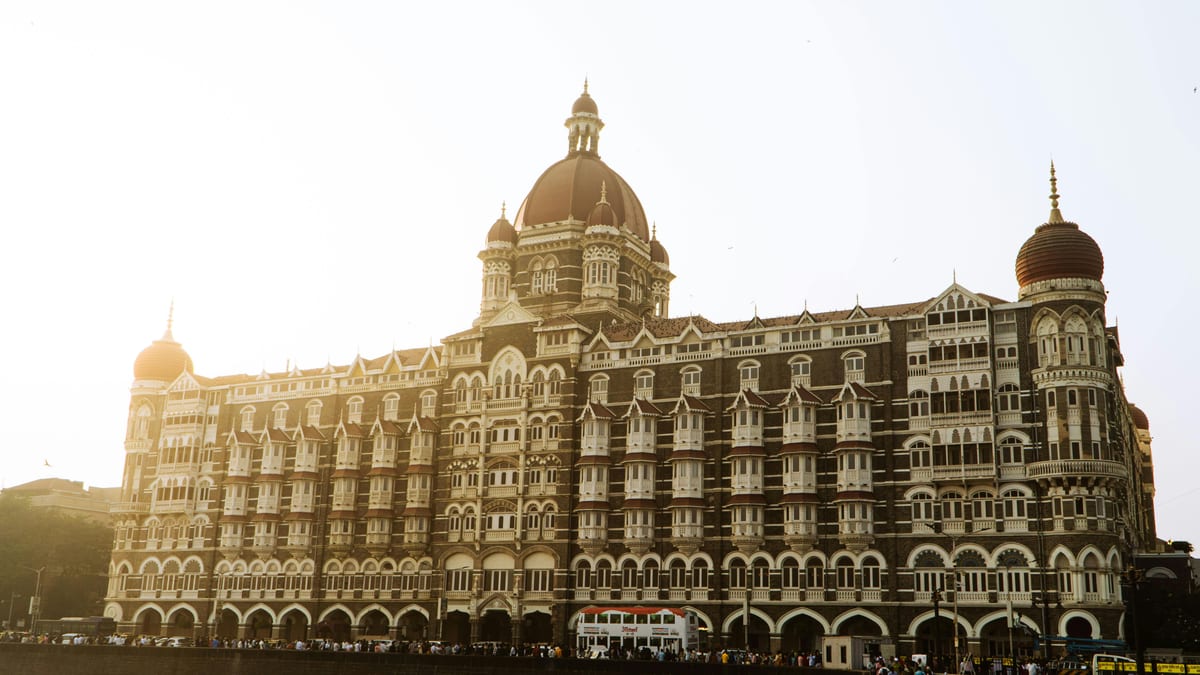
India's luxury hotel chains are capitalizing on constraint, rolling out premium staycation packages as affluent travelers reconsider overseas holidays amid geopolitical disruptions and currency pressures. ITC Hotels, The Leela, Marriott International and Roseate Hotels are packaging butler services, chauffeur transfers, spa treatments, dining credits and club access into short-break offers aimed at travelers seeking luxury experiences closer to home.
The pivot reflects a shift in India's affluent consumption patterns. Prime Minister Narendra Modi's recent appeal to curb overseas travel and prioritize domestic tourism aligns with economic realities—a weaker rupee makes international holidays costlier while West Asia conflicts disrupt traditional travel corridors. The result is a potential reshaping of India's domestic luxury market.
The Economics of Staying Home
"Urban and in-city hotels are seeing stronger relevance as consumers look for premium experiences without long-distance travel," Anil Chadha, managing director of ITC Hotels Ltd, told Mint. The comment captures a structural shift that extends beyond immediate external pressures.
India's massive outbound tourism expenditure—hundreds of billions of rupees annually—represents a significant drain on foreign exchange reserves. When affluent Indians choose domestic luxury experiences over international travel, they strengthen the current account balance while supporting domestic employment and infrastructure. The hospitality sector becomes a beneficiary of what economists term "import substitution in services consumption."
The timing amplifies this effect. April to June is typically a softer period for occupancies at city hotels as corporate travel slows, prompting operators to pursue leisure guests more aggressively. The staycation push transforms what was traditionally a revenue gap into a growth opportunity.
Premium Positioning in a Price-Sensitive Market
The strategy requires careful calibration. India's luxury hospitality market remains relatively small compared to the broader tourism ecosystem, concentrated among urban affluent segments with disposable income for premium experiences. The Leela Palaces, Hotels & Resorts said it is seeing strong demand for what it calls "slow luxury", suggesting that domestic consumers are willing to pay premium rates for curated experiences.
This willingness challenges traditional assumptions about Indian price sensitivity. When international travel becomes prohibitively expensive or logistically complex, domestic luxury options capture market share not through price competition but through value positioning. The hotels argue that a weekend at ITC Maurya can substitute for a longer international holiday—different in scale but comparable in satisfaction.
"Luxury travellers today are prioritizing emotional value, convenience and highly personalised experiences, and city staycations are exceptionally well-positioned to deliver that," Anuraag Bhatnagar, chief executive officer of The Leela, told Mint. The emphasis on emotional value over geographic novelty reflects an understanding of luxury consumption psychology.
Infrastructure Implications Beyond Tourism
The staycation surge reveals gaps and opportunities in India's domestic hospitality infrastructure. While tier-1 cities offer world-class luxury hotels, the experience quality drops significantly in tier-2 and tier-3 destinations. If the domestic luxury travel trend sustains beyond current external pressures, it could drive infrastructure investments in previously underserved markets.
This infrastructure development would support broader economic objectives. Enhanced connectivity, upgraded airports, improved road networks, and standardized service quality in smaller cities would benefit not just tourism but also business travel, logistics, and regional development. The hospitality sector becomes a catalyst for infrastructure modernization.
The government's role in sustaining this momentum extends beyond rhetorical support for domestic tourism. Tax incentives for hospitality infrastructure, simplified licensing for hotel development, and coordinated marketing of domestic destinations could institutionalize the shift beyond current external pressures. The challenge lies in building permanent market structures rather than temporary substitutes.
Competitive Dynamics and Market Concentration
HVS Anarock, in its India Hospitality Industry Overview 2025 report, said demand for shorter, more frequent breaks, wellness escapes, family celebrations and premium leisure stays is expected to support city hotels this year. The trend favors established luxury chains with strong brand recognition and service standards over independent operators.
International hospitality brands operating in India—Marriott, Hilton, Hyatt—compete directly with domestic chains like ITC and The Leela for this expanded market. The competition drives service innovation and pricing discipline while potentially limiting the benefits to Indian-owned hospitality companies. The key question becomes whether domestic luxury consumption translates into domestic value creation or merely shifts the location where international brands capture Indian spending.
This competitive dynamic mirrors broader questions about India's service sector development. As domestic consumption grows, the challenge lies in ensuring that Indian companies capture value creation rather than serving as distribution channels for international brands. The hospitality sector's evolution will test India's ability to build competitive domestic brands in premium service categories.
Beyond Temporary Adjustment
The current staycation push reflects immediate responses to currency depreciation and geopolitical uncertainty, but its sustainability depends on whether hotels can create compelling value propositions that survive the resolution of current external pressures. "Long weekends have emerged as a big magnet for those who want to make the most of the 72-hour window," Chadha added, suggesting behavioral changes that could outlast current constraints.
The broader implications extend to India's consumption patterns and foreign exchange management. If affluent Indians develop preferences for domestic luxury experiences, it reduces structural pressure on the current account while supporting domestic employment and tax revenue. The hospitality sector becomes part of India's import substitution strategy, demonstrating how service sector development can contribute to macroeconomic stability.
The test will come when rupee pressures ease and international travel resumes normal patterns. Hotels that successfully create loyalty and repeat business during this period will have built sustainable market positions, while those offering temporary substitutes will face renewed competitive pressure. The current moment represents both opportunity and challenge for India's luxury hospitality sector to prove its competitive merit beyond circumstantial advantage.