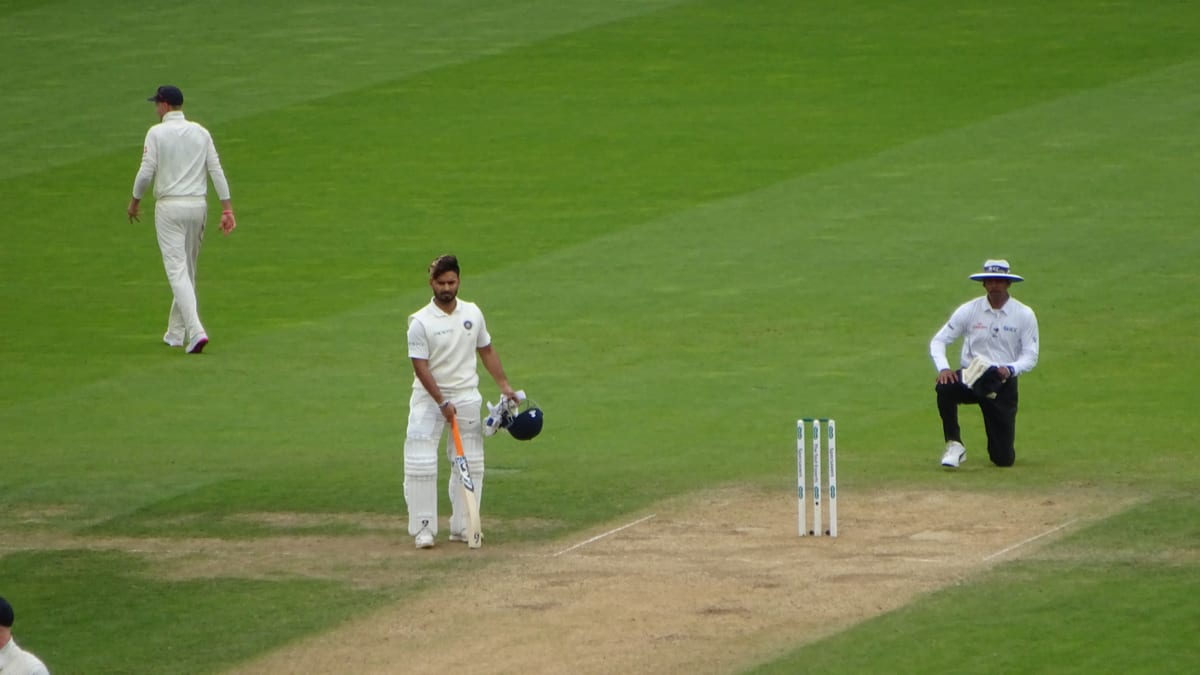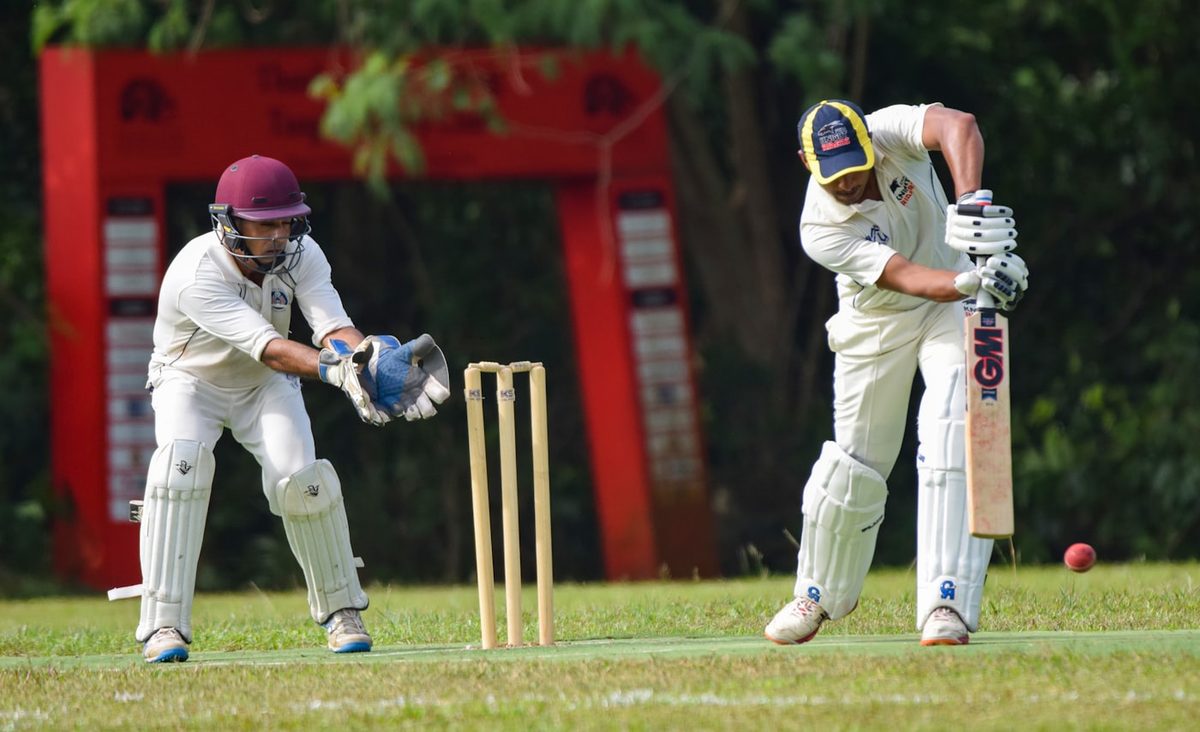


The scoreline reads 253/3, India Under-19s batting against Sri Lanka Under-19s. Three wickets down, a total that most senior sides would respect. That would be a mistake to overlook.
Youth ODIs occupy a peculiar space in cricket's economy: low visibility, high consequence. The stands are thin, the broadcast reach modest, but the attention in the rooms that matter — BCCI selection committees, IPL franchise scouting units, coaching staff at the National Cricket Academy — is absolute. A score of 253/3 does not happen by accident. Someone batted through pressure. Someone built a platform. Someone, in all likelihood, played an innings of real quality. And that someone's name is already moving through conversations that will shape the next decade of Indian cricket.
What the Number Actually Says
253/3 is a specific kind of scorecard signature. It is not the chaotic beauty of a 280/9, where every batter swings hard and wickets fall in clusters. Three wickets down with a total past 250 suggests controlled accumulation — an opening partnership that set the foundation, a top-order batter who held the innings together, and enough composure in the middle order to accelerate without panic. In youth cricket, that kind of innings architecture is rarer than the total itself.
Sri Lanka U-19s are not a side to dismiss. At this level, they have historically been competitive across Asia, and their program has produced senior internationals who represented the full Sri Lanka team in meaningful bilateral series. A total of this size against them, with wickets in hand, speaks to the quality of the batting performance rather than the weakness of the opposition.
The tactical read is straightforward: India likely won the toss and batted, a common approach in youth cricket where putting runs on the board first removes the variable of chasing. Whether India successfully defended that total matters to tournament standings and net run rate calculations. But the batting scorecard is already the story.
The Pipeline and Its Pressure
The India U-19 program has functioned for years as the country's most visible talent escalator. Shubman Gill's century-laden U-19 World Cup campaign announced him to a global audience before he had played a single senior international. Yashasvi Jaiswal's journey from that 2020 U-19 World Cup to becoming a Test opener with a hundred at Lord's followed a trajectory that began in exactly these kinds of fixtures. Prithvi Shaw's run machine at U-19 level made him a household name before he turned eighteen.
The pattern is consistent: a standout U-19 innings generates social media cycles, punditry attention, and — critically — places a name on a list that franchise scouts carry into IPL auction preparation. India's domestic cricket structure means a player can move from U-19 fixture to IPL auction discussion in the span of a few months if the performances are striking enough. 253/3 is the kind of total that puts names on those lists.
This is the pressure the pipeline creates. Players in this fixture know that the audience extends beyond the boundary rope. A 50-ball fifty, a century built on proper defensive technique, an innings that demonstrates temperament under pressure — these are the signals that travel upward through the system. A technically sound U-19 batter who can build a long innings is rarer, and more valued, than one who simply hits hard.
Temperament as the Differentiator
Selectors at every level of Indian cricket have learned to prioritise a particular quality: the ability to bat through the innings rather than simply contribute to it. A batter who scores 70 off 90 balls, absorbs the new ball, settles after a partner's dismissal, and builds a platform is demonstrating something that statistics capture only partially. The 253/3 scoreline suggests at least one player did exactly that.
At U-19 level, physical talent is abundant. India's domestic cricket ecosystem produces technically gifted teenagers at a scale that most other cricketing nations cannot match, a function of the sheer number of academies, coaches, and competitive junior tournaments spread across states. What separates the players who make the next step from those who plateau is mental structure — the capacity to read a match situation, adjust, and execute under the specific pressure of knowing this innings might define the next two years of your career.
Franchise cricket has sharpened this filter considerably. IPL teams now invest serious analytical resources in tracking U-19 performances, and the metrics they prioritise have shifted. Raw strike rate matters less than the ability to anchor an innings that sets a foundation. A player who scores 80 off 100 balls in a high-pressure U-19 fixture, building a total from, say, 40/2 to 150/2, is more attractive to a franchise than one who blasts 50 off 25 and departs. The former demonstrates the kind of match intelligence that translates across formats.
The Sri Lanka Rivalry's Junior Edition
India-Sri Lanka cricket carries decades of competitive weight. The 1996 World Cup, the bilateral series across formats, the regional dominance that has defined Asian cricket — all of it filters down into how both sides approach even a U-19 fixture. Sri Lanka's cricketing culture has always placed value on developing players through structured youth pathways, and their U-19 program has fed senior talent consistently across generations.
That context matters because it calibrates what 253/3 represents. This was not an innings built against a makeshift opposition. Sri Lanka U-19s will have bowlers capable of challenging top-order batters, a fielding unit organised for pressure, and — given the weight both nations place on this rivalry — the psychological intent to compete. Scoring 253/3 against that combination is a genuine measure of quality.
The chase Sri Lanka faces will tell the second half of the story. If India's bowling unit takes early wickets and defends the total, the match becomes a complete showcase: batting depth setting the platform, bowling depth applying pressure. If Sri Lanka chase it down, the match remains significant as a batting performance — and shifts the analytical lens toward whether India's U-19 bowling pipeline carries equivalent depth.
What Comes Next
The immediate aftermath of a performance like this runs a predictable but important cycle. The full scorecard will crystallise around one or two individual performances. A centurion becomes a trending name. A player who held the innings together from the top order earns a mention in the selection discussions that precede India A tours. If a pace bowler then dismantles Sri Lanka's top order in the chase, the conversation splits between two potential stars rather than one.
What is worth watching beyond the result is the accumulation of evidence across this series or tournament. A single innings, however commanding, is data. A pattern — two fifties in successive matches, or a century followed by a steady 40 in the next — is the signal that selectors weight most heavily. The players who emerge from this U-19 cycle and sustain performances across multiple fixtures are the ones who will find their names on India A tour lists within twelve months.
India's cricket economy has built a remarkably efficient conveyor system from junior cricket to the senior game. The 253/3 posted against Sri Lanka U-19s is one data point in that system. But at this stage of the season, with selectors assembling their picture of the next generation and franchise scouts building their auction shortlists, every data point carries consequence. The numbers on the scoreboard are never just numbers.