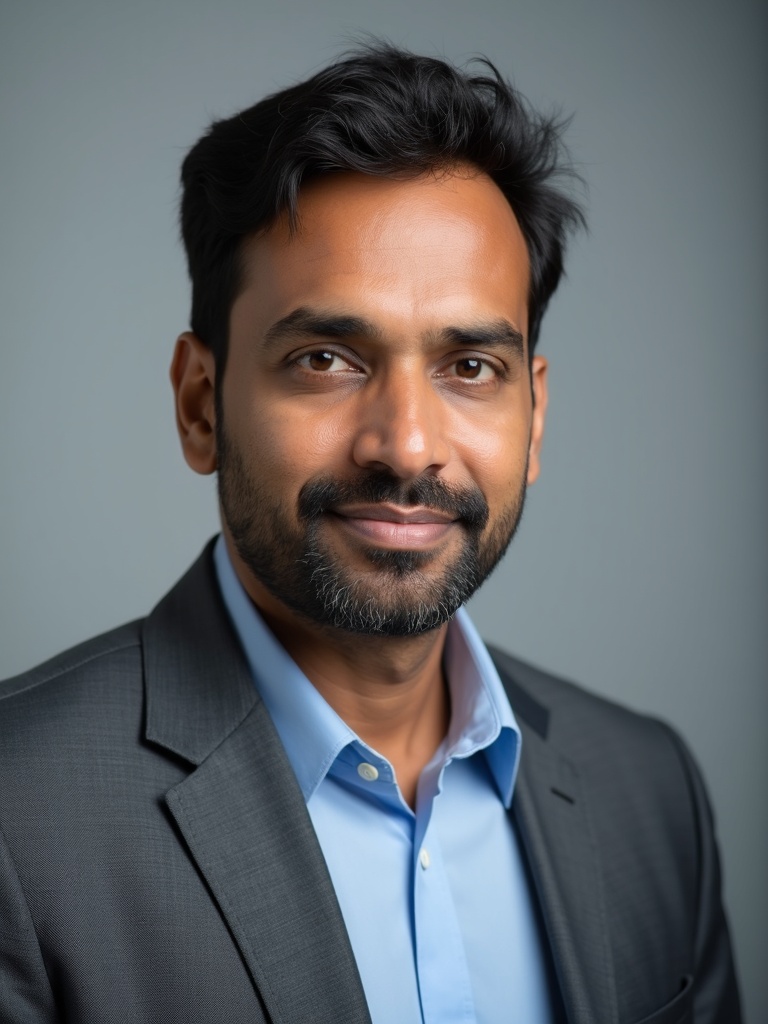

Vibhu Agarwal spent years building Ullu into India's only profitable streaming platform, positioning it as a bold challenger to global giants like Netflix and Amazon Prime. Today, that same entrepreneur is producing AI-generated films about Dronacharya for theatrical release and creating devotional content about Goddess Mahalakshmi. The shift reflects a major change in how Indian content creators approach technology, culture, and commerce.
The government's ban on Ullu, ALTT and two dozen other platforms for hosting sexually explicit content forced Agarwal into an unexpected creative reckoning. Rather than fighting the restrictions or moving operations offshore, he saw an opportunity to explore content that families could watch together. "People complain that these days the content on OTT platforms cannot be watched with the family," Agarwal said, identifying a consumer sentiment that many Indian streaming executives have overlooked.
The AI-Enabled Cultural Renaissance
Agarwal's new venture, Hari Om, bets on artificial intelligence as a tool for democratising Indian storytelling. Since launching in 2024, the platform has produced 11 original shows on various religious figures, including retellings of the Ramayana and programming focused on deities like Bhagwan Jhulelal. The scale of AI integration is significant: Agarwal says that "95% of my work right now is AI-enabled," with a 132-member team where half specialise in AI tools.
The technological infrastructure required for mythology-based content presents unique challenges. Agarwal noted that local AI companies "could not deliver the visual nuances needed for a mythology show," forcing his team to develop proprietary solutions for rendering divine imagery and supernatural narratives that resonate with Indian audiences.
This reveals a broader point about AI adoption in Indian entertainment. While global platforms use artificial intelligence for recommendation algorithms and content optimization, Indian creators are deploying it as a production tool to overcome traditional barriers—limited budgets, complex visual effects requirements, and the need for culturally authentic representations that international studios struggle to deliver.
Market Validation Through Cultural Resonance
The pivot from adult content to mythology demonstrates both regulatory compliance and sound market analysis. Indian audiences have consistently chosen culturally rooted narratives, from the success of Baahubali to the enduring popularity of television serials based on epics. Agarwal's statement that "we need to have a one-stop shop" for educating children about Indian culture and heritage identifies a gap that established platforms have not addressed comprehensively.
The business model shift also suggests confidence in domestic intellectual property over imported content. Agarwal's third platform, Atrangii, has pivoted from free-to-air television to B2B licensing, indicating that Indian-created content can generate revenue beyond direct-to-consumer subscriptions. Content creators become suppliers to multiple distribution channels rather than competitors with global streaming giants.
The theatrical release of Dronacharya, touted as India's first AI Vedic history film, is a strategic expansion beyond streaming platforms into traditional exhibition networks. If successful, it could establish a template for technology-enabled cultural content that serves both digital and theatrical markets.
Strategic Implications for Indian Entertainment Sovereignty
Agarwal's transformation coincides with broader discussions about cultural sovereignty in Indian media. His criticism that AI companies are "run by tech persons, largely Gen-Z, between the ages of 13-22 years" who focus on "delivering tech-enabled visuals" rather than cultural authenticity points to a tension in how artificial intelligence serves Indian storytelling.
This observation has strategic weight for India's entertainment industry. As global technology companies develop AI tools optimised for Western narratives and visual aesthetics, Indian creators face a choice between adopting foreign-designed systems or developing indigenous alternatives that understand cultural nuances. Agarwal's investment in proprietary AI solutions for mythology content suggests that technological sovereignty and cultural authenticity may be linked.
The business model also shows how regulatory pressure can accelerate innovation. The government's content restrictions, initially seen as constraints on creative freedom, have pushed entrepreneurs toward developing new production methodologies and exploring underserved audience segments. This suggests that India's regulatory approach can catalyse domestic innovation when combined with supportive technological infrastructure.
The Broader Content Nationalism Wave
Agarwal's pivot reflects a wider trend among Indian content creators discovering commercial opportunities in culturally grounded narratives. The success of mythological programming on television, the popularity of historical films, and the growing market for devotional content all point to audience preferences for indigenous stories over imported entertainment formats.
This shift challenges the assumption that Indian audiences prefer Western content styles. Instead, technology can enhance traditional narratives rather than replace them, creating new forms of cultural expression that feel both contemporary and rooted. The AI-enabled production of mythological content is a distinctly Indian approach to technological adoption—using advanced tools to serve ancient stories rather than abandoning cultural heritage for technological novelty.
Agarwal's plan to sell his adult content assets while focusing entirely on Hari Om suggests confidence that mythology-based entertainment represents a sustainable business model, not merely a temporary pivot. For Indian policymakers, this transformation offers a case study in how regulatory frameworks can guide market evolution toward culturally beneficial outcomes without destroying entrepreneurial innovation. Whether Agarwal's AI-mythology formula can scale beyond a single creator to become a broader template for India's entertainment industry remains an open question.