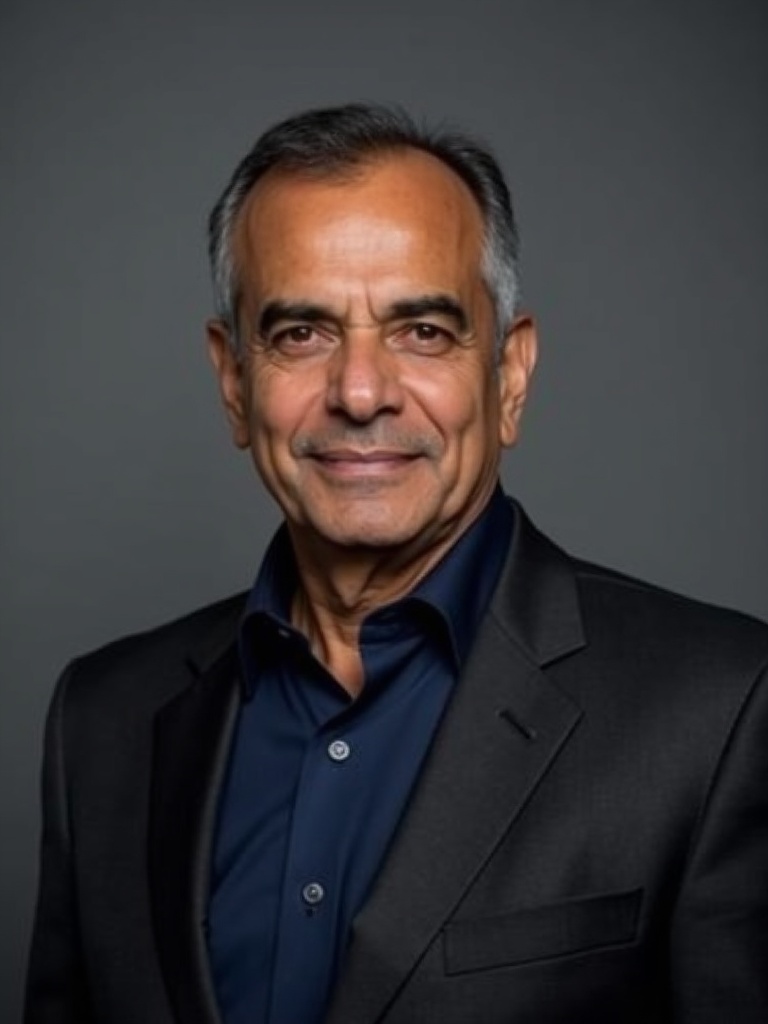
Aam Aadmi Party national convenor Arvind Kejriwal on Monday demanded the dismissal and arrest of Delhi Public Works Department Minister Parvesh Verma, accusing him of slapping a young man during a road inspection in Tilak Nagar. Kejriwal said the incident showed why "Gen Z" did not trust the minister, and he accused Verma of behaving inappropriately with a young man who was recording the proceedings, India Today reported.
The confrontation began with a video that circulated on social media Sunday. In the footage, AAP's Tilak Nagar MLA Jarnail Singh pulls out chunks of a newly laid road by hand and challenges its quality, while Verma allegedly slaps a bystander who was recording the exchange. Kejriwal, who reached the spot after the video spread, told reporters:
"The minister slapped a young boy. This country does not belong to your father. You cannot slap anyone like this. This country belongs to 140 crore Indians."
Verma has disputed the account. He said the AAP was promoting the slap video and accused Jarnail Singh of corruption, NDTV reported, citing his statement that an AAP worker had abused his family and his message to "please understand the truth behind the video".
Delhi Police said Monday that five complaints had been received in connection with the dispute. One complaint came from Sahib Singh, who is associated with Jarnail Singh's social media activity; two were filed by PWD personnel against Jarnail Singh and others; and two more came from BJP workers concerning the alleged mistreatment of Verma. The complaints were lodged at Vikaspuri and Tilak Nagar police stations and remain under investigation, LiveMint reported.
The Road, the Slap, and Split Authority
The physical altercation sits on a deeper governance tangle. The PWD is repairing the Outer Ring Road stretch from Janakpuri District Centre Chowk to Najafgarh Drain, according to the India Today report. Kejriwal claims the road was damaged despite being newly laid and alleges corruption in the construction work. Whether the road failed because of poor material, weather, or neglect is a technical question that no press conference can settle. Delhi's split accountability makes such disputes combustible. The elected Aam Aadmi Party government does not control the police or the land agency; the Lieutenant Governor's office holds authority over public order. A public works inspection therefore turns into a standoff with no single authority able to arbitrate the facts on the ground.
Kejriwal's demand for dismissal and arrest, issued from the spot, bypasses any inquiry. That is the point. The AAP leader is not waiting for the police report; he is converting the viral video into a political indictment. The alleged slap matters less than the image of a BJP minister striking a citizen who was recording him. In a city where the AAP and BJP are locked in a continuous contest over service delivery and civic authority, the video supplies a precise emotional charge: a public works minister's violence against a young man from a constituency the AAP holds.
Gen Z as a Political Marker
Kejriwal's choice of "Gen Z" carries its own arithmetic. The AAP has built its Delhi base on first-time voters in unauthorised colonies, affordable housing clusters, and the lower-income service economy. The term "Gen Z" does not appear in any AAP manifesto, but Kejriwal's use of it points to a constituency that watches vertical videos on Instagram and YouTube, not parliamentary debates. By telling Verma that "Gen Z does not trust you at all because of such acts by you," Kejriwal attaches the incident to a generational judgment. That judgment is about conduct, not policy.
The jab at Prime Minister Narendra Modi, inserted immediately after, raises the stakes. Kejriwal said Verma describes himself as "Modi ji's favourite" and added: "I want to tell both of them, people of the country do not accept this kind of behaviour." This is a familiar AAP technique: use a local official's misstep to question the Prime Minister's administrative choices. It works because the audience already receives the BJP's Delhi unit as an extension of the central leadership. The counter-strategy from the BJP has been to call the video a staged AAP production, and Verma's statement to NDTV frames the incident as an AAP-orchestrated attack on his family and reputation.
The Risk of Ministerial Contact
This is not the first Delhi road inspection to end in a physical confrontation, and it will not be the last if inspectors continue to arrive without defined protocols. Ministers are not police officers; they are not trained to handle a crowd, an opposition MLA pulling up asphalt, or a citizen with a phone camera. The video shows Verma moving toward the man with the camera, not summoning the police or stepping back. Whether that movement constitutes assault is for the court to decide. The political damage is already done.
For Delhi's voters, the incident reduces a larger infrastructure debate to a single image. The Outer Ring Road is one of the capital's arterial routes; its repair quality affects lakhs of commuters. Kejriwal is correct that a damaged new road invites scrutiny, but the audit of that road will now happen in the shadow of an assault allegation and a police investigation. The public gets a political spectacle, not a structural fix.
What the Police Files Will Examine
Five complaints move the matter from social media to the criminal justice system. Two PWD personnel have complained against Jarnail Singh and others, which suggests the road inspection itself involved trespass or obstruction. Two BJP workers complain that Verma was mistreated, a counter-claim that likely refers to the crowd's behaviour before or after the alleged slap. Sahib Singh's complaint will draw the most attention, because he is the alleged victim's associate and is linked to the AAP MLA's social media activity. The police must now reconcile these accounts without adopting either party's political frame.
That is where Delhi's institutional design complicates the task. The city's police force answers to the Ministry of Home Affairs, not to the elected Delhi government. During a BJP-AAP confrontation, the police face an immediate trust deficit from one side, regardless of the investigation's quality. Kejriwal's demand signals he will not wait for an inquiry, while the BJP has called the video a smear. A time-bound, independent inquiry into the altercation and the road's quality, made public, would serve Delhi better than another round of press conferences.
For the capital, the Tilak Nagar slap row is about one minister's conduct and something larger. The question is whether urban governance can proceed when every road repair becomes a partisan battleground. Kejriwal has turned a damaged stretch of the Outer Ring Road into a referendum on the BJP's fitness to manage Delhi. The BJP has responded with counter-allegations instead of a technical defence of the road's quality. The road remains unrepaired. That is the fact underneath the noise.