The Bangladesh Cricket Board has appointed Litton Das as the new ODI captain, ending Mehidy Hasan Miraz's tenure in the white-ball leadership role. The BCB's reasoning, as reported, rests on familiar logic: relieving a senior player of the captaincy burden will free him to rediscover the form that made him indispensable in the first place. ESPNcricinfo notes that the BCB specifically hopes Mehidy will regain top form without the added weight of the armband.
In theory, it is a clean swap. In practice, leadership transitions in Asian cricket are rarely clean. They arrive with baggage — dressing-room alignments, selection politics, a new captain's instinct to stamp authority on batting orders and field placements even when the data suggests he should leave things alone. Litton Das, for all his undeniable quality behind the stumps and in front of them, now carries precisely that weight into a white-ball cycle that matters enormously for Bangladesh's standing in the global game.
A Wicketkeeper Inherits the Burden
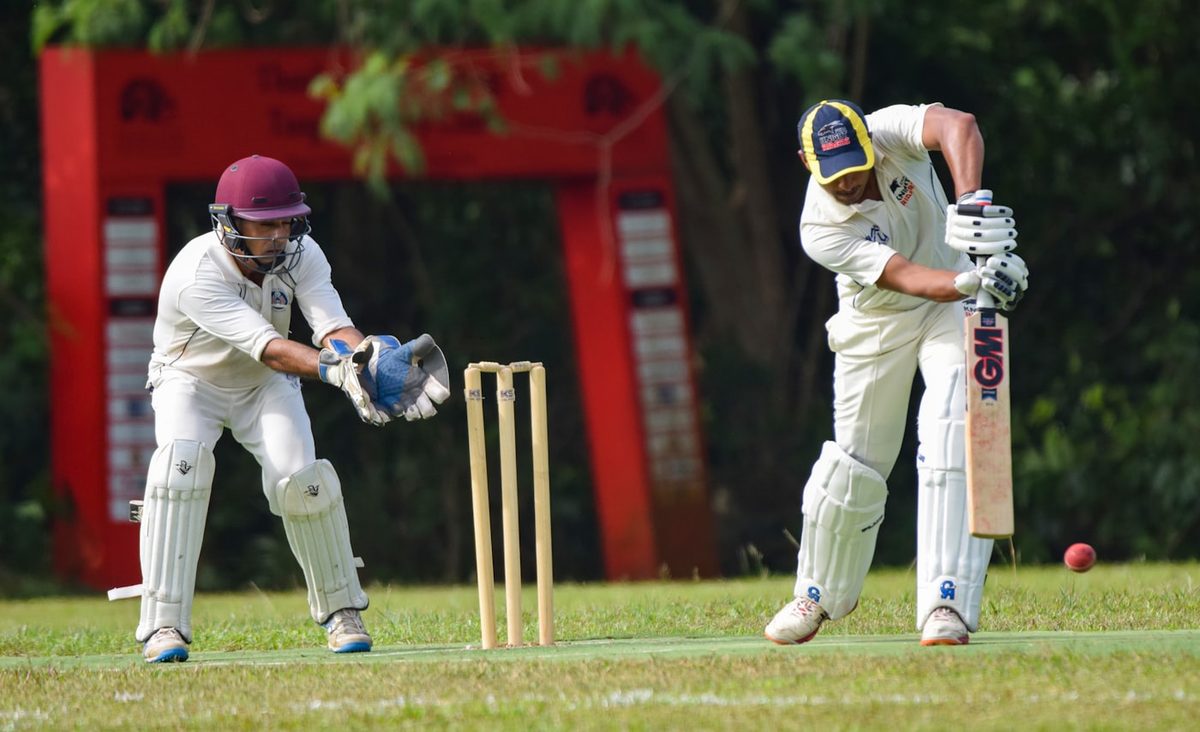
The wicketkeeper-captain occupies a peculiar space in cricket's leadership. He sees the game from behind the stumps — every delivery, every batter's trigger movement, every bowler's rhythm — and that vantage can produce extraordinary tactical awareness. It can also scatter focus at the worst moments. A keeper who is also captain is simultaneously reading a batter's feet, calling a field change, managing a bowling spell, and computing match situations. The cognitive load is real.
Litton Das is a genuinely gifted player. His keeping is clean, his batting against pace has real teeth, and his reverse-sweep off quality spin is the kind of shot that can disrupt a carefully constructed bowling plan in three deliveries. But averaging around 35 in ODIs, while respectable, places him in a band of cricketers who are valuable rather than match-defining — and captaincy has a habit of pressing on exactly that fault line. The first few series will show whether the armband elevates his batting into something more decisive, or whether the dual responsibility nudges it toward caution.
There is also the question of where he bats. Bangladesh have shuffled their top order repeatedly through recent ODI cycles, and a new captain's instinct to anchor the batting — to be present when pressure peaks — often means moving up the order regardless of where the runs flow most naturally. Openers-turned-captains in Bangladesh cricket have historically paid that cost. Litton's management team will need to resist that instinct and keep him where he operates best.
The Dhoni Mirror Nobody Can Avoid
The moment a wicketkeeper takes an Asian ODI captaincy, the Dhoni comparison arrives uninvited. It is not entirely fair — Dhoni was a phenomenon of such particular construction that holding any gloveman to that standard is an act of analytical vandalism — but the comparison is structurally inevitable and worth examining on its own terms.
What Dhoni brought to Indian ODI cricket was not primarily tactical genius, though that was present. It was temperamental architecture: an almost eerie stillness under pressure that transmitted itself through the dressing room and onto the field. His keeping and his captaincy fed each other. The composure behind the stumps was the same composure at the crease in a final over, and players around him drew calibration from it. That integration of role and temperament is what made the wicketkeeper-captain format work so completely in his hands.
Litton Das is a different kind of cricketer — more expressive, more vulnerable to streaky patches, more dependent on confidence than on the deep-reserve stillness that defined Dhoni's best years. Whether he can build a version of that command appropriate to his own character, rather than imitating one that was sui generis, is the leadership question Bangladesh cricket now puts to him. The BCB, by all appearances, believes the answer is yes. The next eighteen months will be the actual evidence.
What Changes for India
India and Bangladesh meet often enough — in Asia Cup group stages, in ICC tournaments, in bilateral series — that the competitive texture of those fixtures matters. Bangladesh under Shakib Al Hasan played with a certain knowing aggression, the kind that comes from a senior player who has been around long enough to know exactly which Indian bowler goes short, which fielding shape concedes the single, which dismissal triggers a batting collapse. That institutional knowledge does not vanish with a captaincy change, but the method of deploying it shifts.
A newly installed captain tends toward the expansive. The dressing room is energised, the press is interested, and the new leader wants to show he was the right call. This can mean Bangladesh playing with more front-foot intent against India's spinners — Kuldeep Yadav in particular — before the series settles into its more cautious patterns. India's think-tank will factor this into preparation. The first bilateral series under Litton's captaincy is worth watching not for the result alone, but for what Bangladesh's batting order signals about their ODI ambitions.
The specific tactical duel that could define the next India-Bangladesh ODI chapter is Kuldeep Yadav against Litton Das's reverse-sweep. Litton plays that shot instinctively and with real conviction. Kuldeep's googly from around the wicket has been the delivery that has undone confident middle-order batters across formats. If Bangladesh's middle order becomes more settled — historically their weakest link in big fourth-innings chases — India's spin attack faces a sharper examination than the record of recent fixtures suggests.
Mehidy's Release and Bangladesh's Long Game
The other half of this story is Mehidy Hasan Miraz. Relieving him of the captaincy is a calculated bet — the BCB is wagering that his bowling, which is Bangladesh's most reliable ODI wicket-taking mechanism, will return to its sharpest edge once the administrative drag of leadership is removed. Off-spinners who captain are particularly prone to over-bowling themselves or, conversely, to holding back their own best variations out of tactical self-consciousness. Mehidy needed to be a bowler again. The BCB, to its credit, recognised that before the problem became irreversible.
Whether Litton builds something durable around himself — a coherent ODI identity for Bangladesh, rather than a stopgap arrangement before the next leadership reshuffle — depends heavily on the vice-captaincy selection and on whether the BCB gives him genuine tenure. Bangladesh cricket has changed captains with enough frequency that the instability itself becomes the story. If Litton is protected through a bad patch or two, allowed to develop the captaincy vocabulary that only losing and recovering can teach, the BCB may finally have the long ODI project it has been trying to construct for years. If the pressure comes too early, the result is another cycle of reset — and another Indian team preparing for a Bangladesh they have already mapped.
India, sitting atop the ODI rankings with their own unsettled pieces heading into the next ICC cycle, should want Bangladesh to be competitive. Lopsided fixtures help nobody's cricket. A Litton Das who finds the captaincy and the batting simultaneously — who becomes something more than the sum of his technical gifts — raises the level of South Asian ODI cricket in precisely the way the format needs right now. Whether Bangladesh's most gifted current white-ball cricketer can carry both burdens at once is the question the subcontinent's cricket watchers will spend the better part of a year answering.