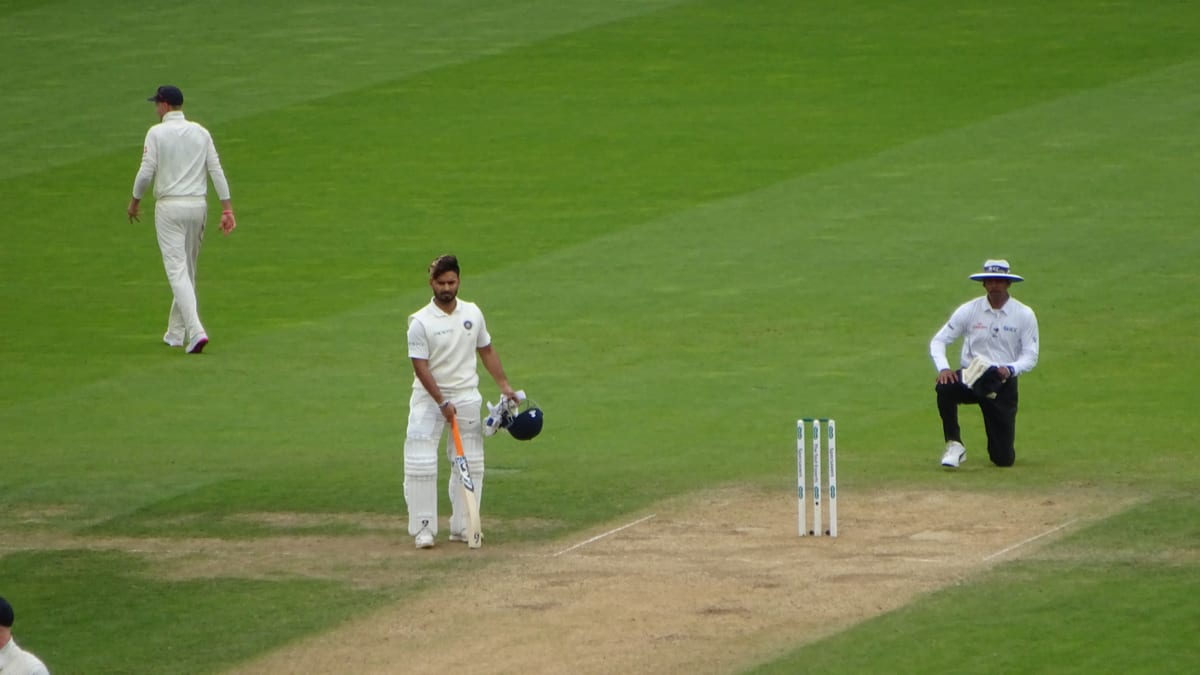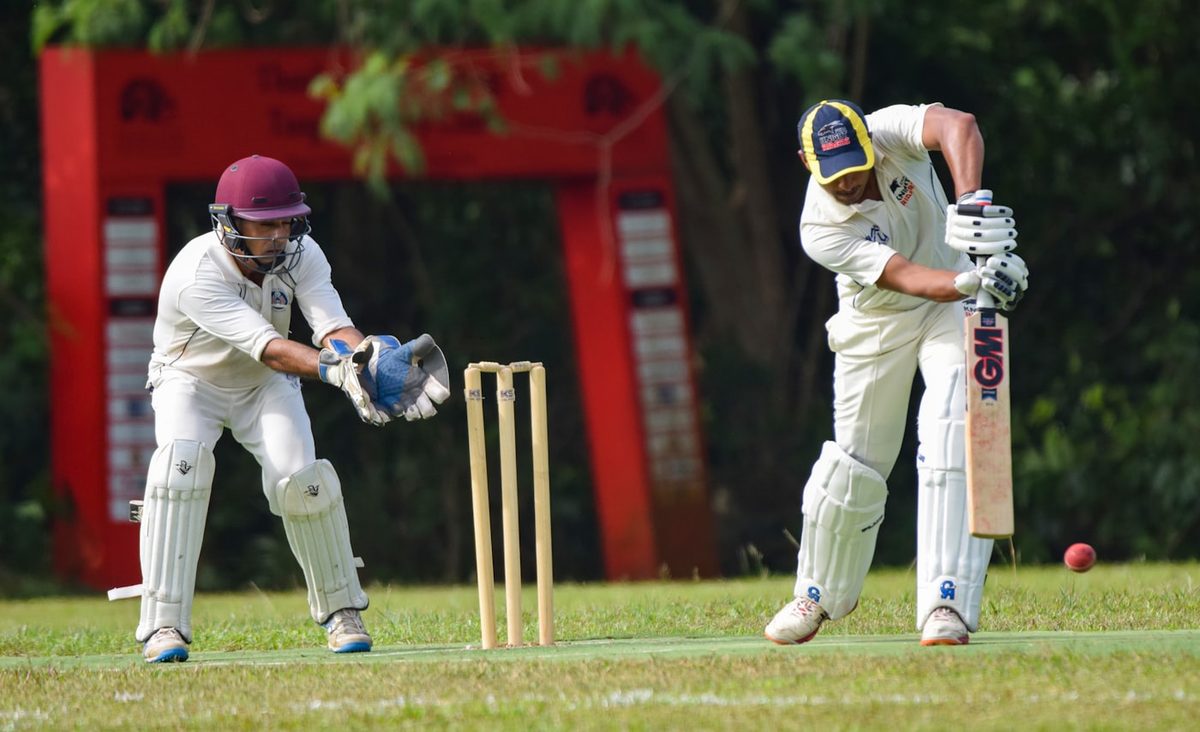

The numbers tell a stark story. Rajasthan Royals arrive at Ekana Stadium with 8 points from 6 matches, sitting third. Lucknow Super Giants have managed just 4 points from the same number of games, languishing in ninth position. On paper, this should be straightforward. In practice, cricket rarely cooperates with mathematics.
Both teams arrive nursing consecutive defeats. Momentum in T20 cricket accelerates rapidly in either direction. The psychological difference between a team on two wins and one on two losses often exceeds what any statistical model captures. Tonight's match is less about table positioning and more about which franchise can stop the slide before it becomes a collapse.
The Structural Questions
The IPL auction system rewards franchises that identify specific weaknesses and address them with precision. Yet both LSG and RR enter this match carrying the same tactical vulnerabilities that plagued them at auction time. Lucknow's middle-over scoring rate remains a persistent concern, while Rajasthan's death bowling continues to leak runs when matches tighten.
These aren't minor adjustments that coaching can fix mid-season. They represent fundamental squad construction choices made months ago. When a franchise spends heavily on marquee players but struggles to close out tight games, the problem isn't form — it's architecture. The batting order that looks formidable on paper often reveals gaps when pressure mounts between overs 8 and 15. The bowling attack that dominates powerplay overs can unravel completely when facing power-hitters in the final five overs.
The impact-player rule adds another layer of complexity. Teams can substitute a specialist based on match situation, but only if they've selected the right balance in their initial eleven. Both franchises have rotated their lineups frequently this season, suggesting ongoing uncertainty about their optimal combination.
Ekana Stadium Variables
The venue adds its own tactical dimensions. Ekana's pitch characteristics have evolved since the stadium opened, with recent matches showing assistance for both pace and spin depending on moisture levels. The ground dimensions favor boundary-hitting down the ground rather than square of the wicket, which influences field placement and bowling plans.
Toss decisions at this venue have shown strong correlation with match outcomes this season. The team winning the toss has opted to chase in four of the last five matches here, suggesting dew factor or changing pitch conditions favor batting second. However, both LSG and RR have struggled when chasing targets above 180, which creates a strategic dilemma.
The atmospheric pressure system moving across Uttar Pradesh could affect swing and seam movement early in both innings. Fast bowlers who rely on conventional swing rather than cutters might find additional assistance, particularly in the first six overs. This tilts the balance toward teams with genuine pace options rather than those dependent on variations.
The Broader IPL Context
This match occurs at a crucial juncture in the tournament calendar. Teams occupying positions 5-9 in the table remain separated by just 4 points, making every result significant for qualification mathematics. The top four playoff positions won't be decided until the final league matches, but teams falling behind by more than 6 points historically struggle to recover.
Both franchises entered this season with expectations of challenging for playoff positions. Rajasthan's squad includes established match-winners across all departments. Lucknow built around young Indian talent complemented by proven overseas performers. The gap between expectation and execution reflects how assembling talent doesn't automatically produce tactical cohesion.
The financial implications extend beyond prize money. Teams that miss playoffs face reduced commercial value in sponsorship negotiations for subsequent seasons. Broadcast partnerships factor in team performance over multi-year cycles. Players' auction values often correlate with franchise success, creating feedback loops that reward consistent performance.
Tonight's Decisive Factors
The match will likely pivot on three specific phases. First, the powerplay bowling — whichever team restricts scoring in the initial six overs gains psychological advantage. Second, middle-order execution between overs 8-15, where both teams have shown vulnerability. Third, death bowling accuracy when the match situation becomes desperate.
Player matchups matter more than aggregate statistics suggest. Fast bowlers who consistently hit the stumps rather than relying on swing have dominated at Ekana this season. Batsmen who manipulate field placements rather than attempting maximum boundaries have posted higher scores. Captains who maintain attacking fields rather than defensive spreads have seen better bowling figures.
The result tonight determines whether either franchise can build momentum for the tournament's crucial middle phase. Teams that win their next three matches typically secure playoff qualification. Teams that lose their next three matches rarely recover. Cricket's margin for error compresses dramatically once the table reaches this density.
Tonight's encounter tests whether expensive squad assembly translates into tactical execution when elimination pressure mounts. The answer will define not just table positions, but the fundamental questions both franchises must address about their squad construction philosophy.