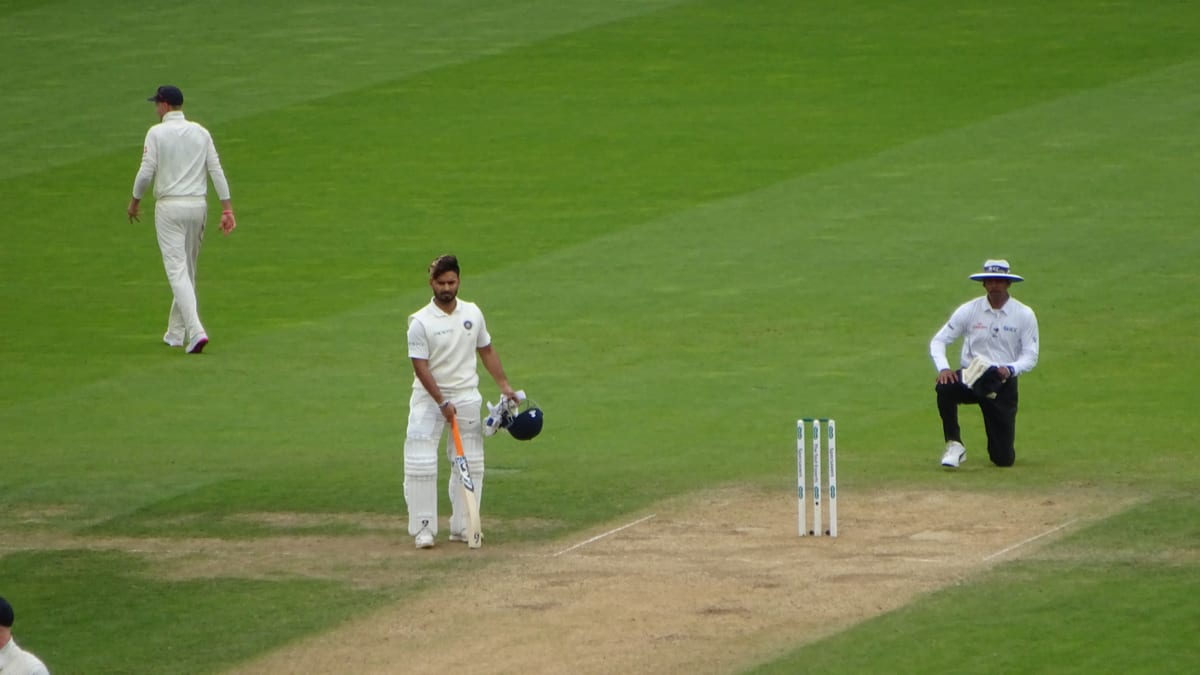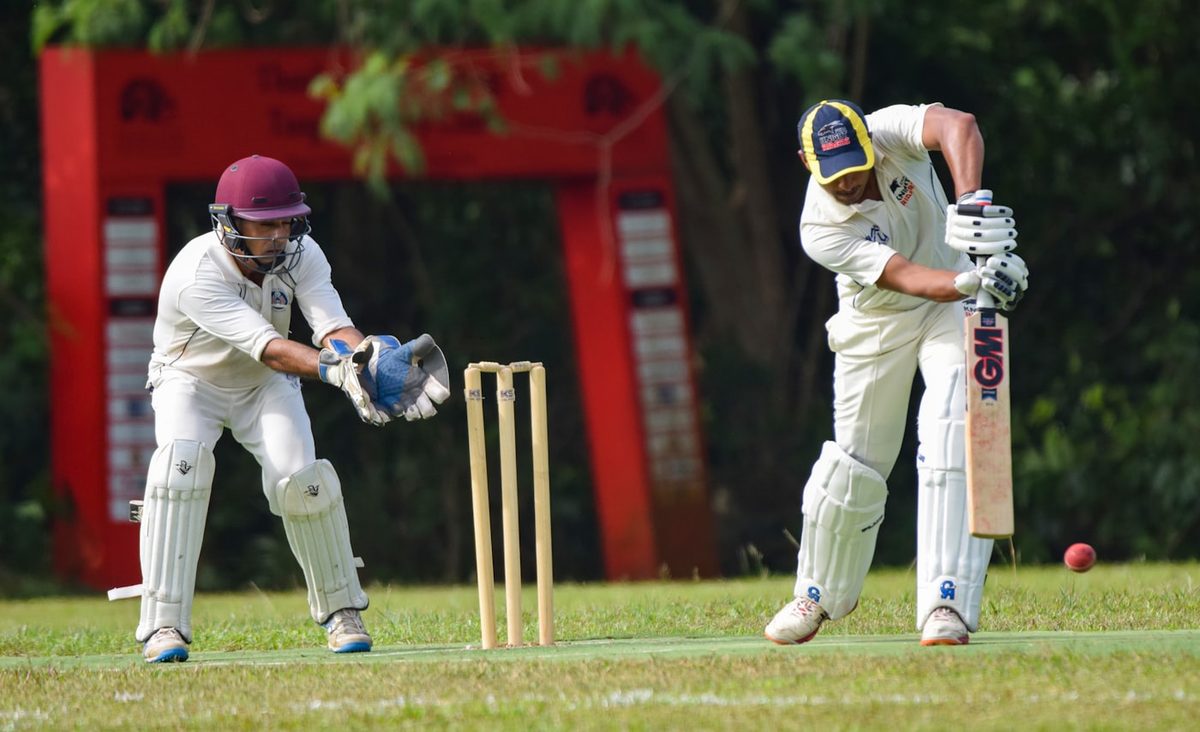
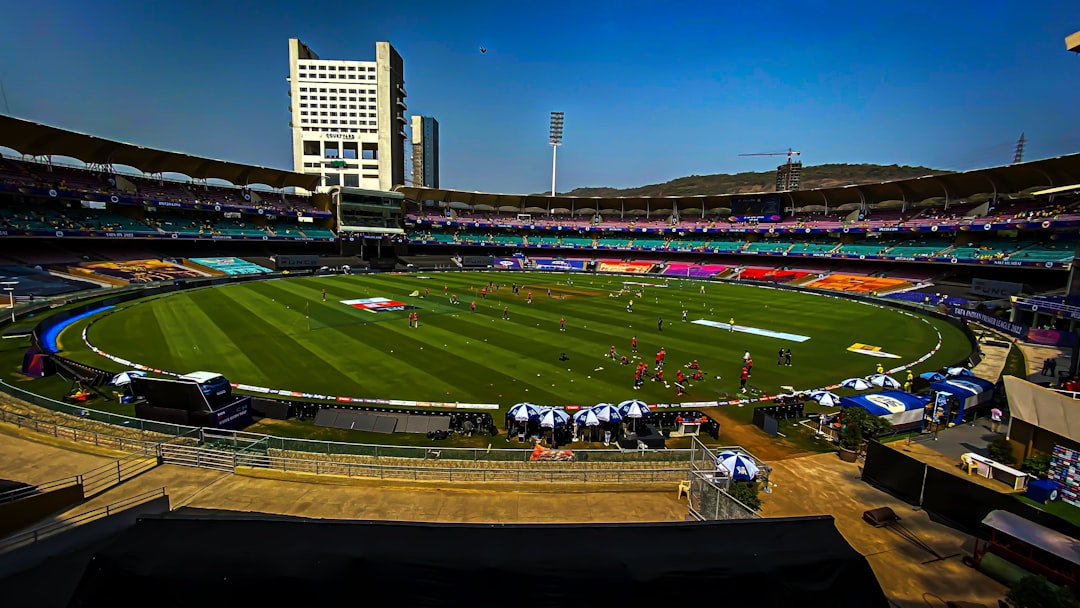
The scoreboard reads Glamorgan v Somerset 167/4. Four wickets down, Somerset building an innings on a Tuesday afternoon in Wales. No headlines, no analysis pieces, no social media buzz. Just cricket happening.
This is where the game's future gets built. Not in television studios or franchise boardrooms, but in county fixtures where careers take shape over decades. Every international cricketer started here — learning to handle the moving ball on green pitches, building stamina for five-day cricket, discovering how to construct an innings when conditions demand patience over power.
The County System's Quiet Education
County cricket teaches what Twenty20 cricket cannot. Young players learn to read conditions, build partnerships, handle pressure across multiple days. They bat when the ball swings for hours, bowl when wickets come slowly, field when concentration matters more than athleticism.
Somerset's current position at 167/4 is familiar to county followers. Wickets falling at regular intervals, batsmen working hard for every run, bowlers finding assistance from conditions. Players who survive these conditions arrive at international cricket with skills that shorter formats simply cannot teach.
The county championship operates on thin margins. Small crowds, modest budgets, players supplementing cricket income with coaching or other work. Yet this system has produced generations of Test cricketers across multiple countries.
India's Domestic Cricket Mirror
India's first-class structure faces identical questions. The Ranji Trophy operates in relative obscurity compared to the IPL. Players build techniques through domestic seasons that Twenty20 cricket rewards but does not teach. The gap between domestic achievement and international success reveals similar patterns across cricket-playing nations.
Indian selection philosophy increasingly values franchise performance over first-class consistency. Yet players who succeed in challenging overseas conditions typically built their foundations in domestic cricket. The county system's emphasis on varying conditions mirrors what Indian players encounter when touring England or Australia.
Both systems struggle with funding, attendance, and relevance in an entertainment-driven economy. Counties compete with football for local attention; Indian domestic cricket competes with the IPL for player focus and public interest. The question becomes whether these development systems can maintain their educational value while remaining financially viable.
The Hidden Talent Factory
Somerset's modest total reflects cricket's truth about talent development. International cricket requires players who can score runs when conditions favor bowlers, take wickets when batsmen are well-set, field for hours without losing concentration. These skills develop through repetition across seasons, not through explosive performances in high-pressure tournaments.
County cricket's declining influence concerns development experts worldwide. The format teaches patience, technique, and mental resilience that shorter formats cannot replicate. As cricket becomes more entertainment-focused, development systems risk losing their effectiveness in preparing players for international demands.
The Glamorgan-Somerset fixture represents hundreds of similar matches across cricket-playing countries. Each provides opportunities for players to develop skills that statistics cannot capture — learning to bat when the ball moves, building partnerships under pressure, developing mental strength to perform consistently across different conditions.
Development vs Entertainment
Cricket faces tension between development and entertainment. Franchise cricket generates revenue, attracts audiences, and provides immediate excitement. County cricket develops skills, builds character, and prepares players for international cricket's varied demands. The challenge lies in maintaining both systems without one undermining the other.
The modest scoreline of 167/4 captures this tension. Somerset's innings represents cricket that builds careers but struggles to build audiences. Players learn to construct innings, handle pressure, and adapt to challenging conditions. These lessons prove invaluable at international level but generate limited commercial interest.
Modern cricket's economics increasingly favor shorter, more entertaining formats. Yet players who excel in these formats typically developed their skills through longer-form cricket. Whether cricket can maintain development pathways while satisfying commercial demands for immediate entertainment remains uncertain.
India's cricket administrators watch these developments closely. The IPL's success creates opportunities but also risks. If domestic first-class cricket loses relevance, Indian cricket could face the same development challenges that other countries experience when county cricket declines.
The scoreboard at 167/4 will update, the match will conclude, and another county fixture will enter cricket's archive. The system it represents — patient and educational — continues building cricket's future one innings at a time. Whether that system survives cricket's entertainment revolution may determine the sport's long-term health across all formats.