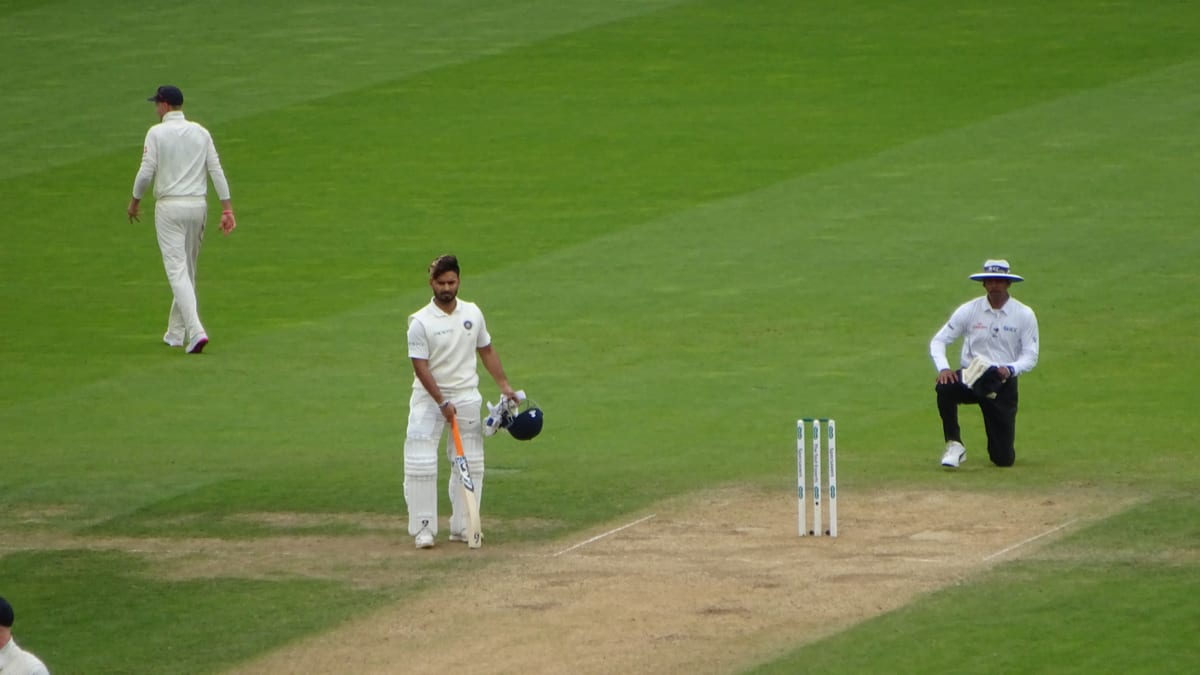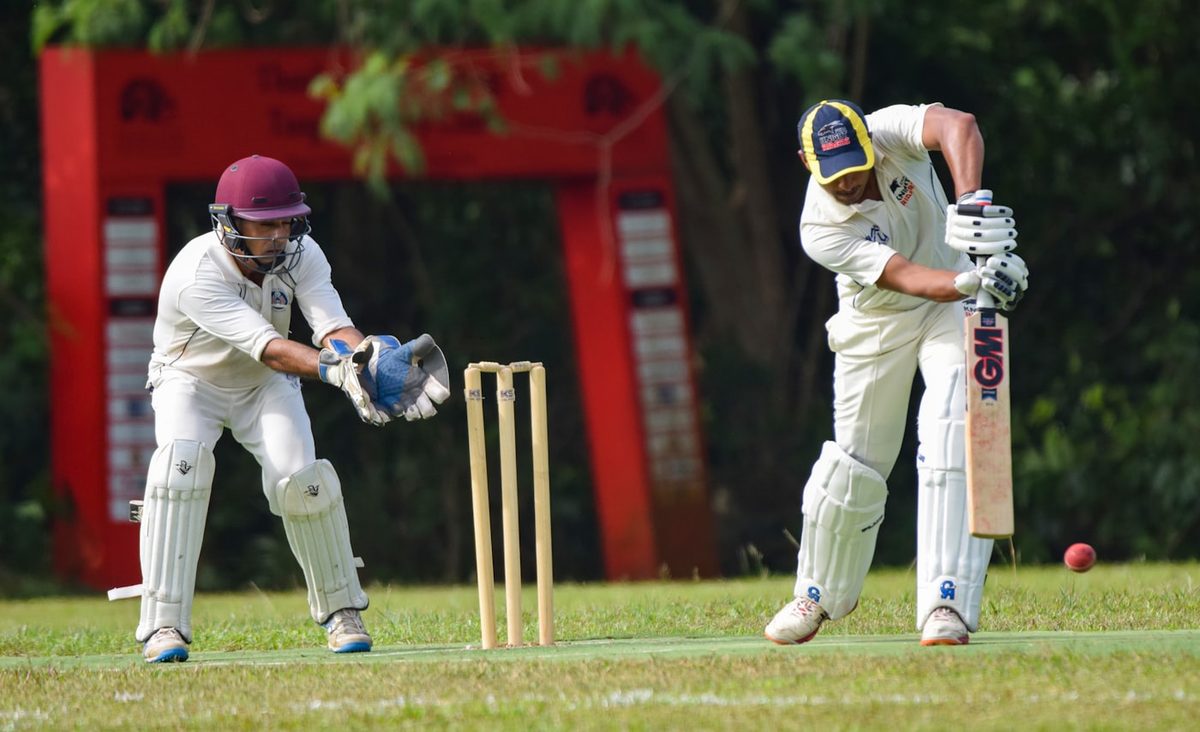

On the third day of the unofficial Test in Galle, with the pitch already wearing and the off-spinners finding purchase, Sai Sudharsan batted India A into a commanding position with an innings of 168. Galle is not a ground that flatters batters. The square turns, the bounce is variable, and visiting sides routinely fold chasing respectability. Sudharsan did not fold. He anchored.
What the India A selectors, and by extension the national selection panel, needed to see was whether Sudharsan could read a surface that spins from day one, adjust his footwork in real time, and build an innings the way senior Test cricket demands — not in bursts, not in IPL mode, but with structure that holds across sessions. By the evidence of day three in Galle, he can.
The Overseas Benchmark
Indian cricket has a long and sometimes uncomfortable history with the gap between domestic brilliance and overseas substance. The subcontinent produces prodigious run-scorers every season — players who average fifty-plus in the Ranji Trophy, who tear apart IPL attacks, who look generational in the nets. The graveyard of careers is full of those who could not replicate that touch when the ball swung in overcast English light or reared off a South African length. Sri Lanka is not the hardest of those environments, but it is not a gimme either, particularly in Galle, where the pitch surface deteriorates sharply and where a batter who plays across the line pays immediately.
Sudharsan played straight. He has the temperament to reset after a difficult over, to leave deliveries that are not his to hit, and to convert starts into match-defining innings — three things that senior selectors have been vocal about needing from whoever slots into the crucial middle positions of India's Test order. A hundred and sixty-eight, built across a full day's play on a wearing Galle track, is a statement.
Gaikwad's Exit and What It Reveals
Ruturaj Gaikwad's retirement hurt on 13 is the match's secondary story, but selection panels do not read scorecards in isolation. They read them as arguments. India A went from the loss of their most senior batting name early in the innings to a total built almost entirely on Sudharsan's back, and the lead they secured was substantial enough to put them in position for an outright win.
Gaikwad's fitness will resolve itself. He is too good a batter, and too seasoned a player, for a single retirement hurt to derail his standing. But the subplot matters. Every India A tour is partly an audition and partly a management exercise. When a senior name goes off injured early, what follows tells you something about the group's depth. The fact that India A did not collapse — that Sudharsan held them together and extended the lead — is the kind of resilience that selectors file away quietly.
The Selection Arithmetic
India's Test batting order has been the subject of sustained scrutiny across their recent series. The top order, in particular, has drawn attention — not because of consistent failure, but because the margin between adequate and excellent has looked uncomfortably thin in high-pressure overseas situations. The search for a batter who can occupy the crease for long stretches, rotate strike without risk, and accelerate when conditions allow is the perennial quest of every Test-playing nation.
Sudharsan, already on the radar after strong IPL campaigns and a productive domestic red-ball season, has now produced the one piece of evidence that was missing from his case: an overseas hundred in a multi-day format, against an attack that had every incentive to dismiss him. Analysts who track India A tours will point to the combination of his age, his technique against spin, and his ability to bat deep into an innings as the variables that make this performance hard to dismiss.
The question now is timing. India's upcoming Test schedule will determine whether a spot opens up before Sudharsan's momentum cools. A 168 in Galle in early July is vivid and immediate. By September, if no Test has arrived, the conversation moves on. Selection in Indian cricket is partly about merit and partly about availability of opportunity — and the two do not always align neatly.
What India A Tours Actually Do
There is a tendency among casual followers to treat India A fixtures as glorified warm-up games — useful for fitness, irrelevant to serious selection conversations. That reading misses the point. India A tours are structured to create the kind of pressure environment that junior and fringe players do not experience in domestic cricket. The opposition is better than a state side. The pitches are foreign. The conditions test preparation rather than talent alone. And critically, the matches are watched — by VVS Laxman's setup at the National Cricket Academy, by the senior selection committee, and by a media ecosystem that broadcasts and analyses every session.
Sudharsan's 168 did not happen in a vacuum. It happened in front of people whose job is to evaluate exactly what he produced. The question of whether he can handle a spinning track overseas? Answered. The question of whether he can bat for an extended period when the team needs an anchor? Answered. The residual question — whether he can do the same against a full-strength Test attack in a match that counts — is one that no India A tour can answer by definition. That answer requires a cap and a ground full of people.
The Conveyor Belt and Its Next Stop
India's cricketing pipeline has been the subject of considerable national pride over the past decade. The Under-19 system has produced a stream of capable players. The domestic red-ball structure, for all its imperfections in terms of pitch preparation and match quality, has generated batters who arrive at senior level with genuine technique. The IPL has accelerated exposure. The India A programme, at its best, bridges all of those layers and creates one final filter before the Test arena.
Sudharsan has passed through that filter cleanly. A batter who can score 168 on the third day of a multi-day game in Galle, with a turning ball and a wearing surface, has demonstrated something that no number of T20 innings can replicate: the ability to think across an entire day's play, to adjust as conditions change, and to remain mentally present long after the first hour's adrenaline has faded. Those are Test-match qualities. They are rarer than the highlight reels suggest.
Whether India's selectors move quickly or let Sudharsan simmer a little longer in the A system will reveal something about their current philosophy. Fast-tracking a player on the strength of one exceptional innings carries risk. But leaving a proven performer in the shadow squad when a Test opportunity exists carries a different risk — the risk of losing a window of form that may not recur at the same pitch. India's next Test assignment is the match that will tell us which calculation the selectors made. The 168 in Galle has made their deliberation considerably more urgent.