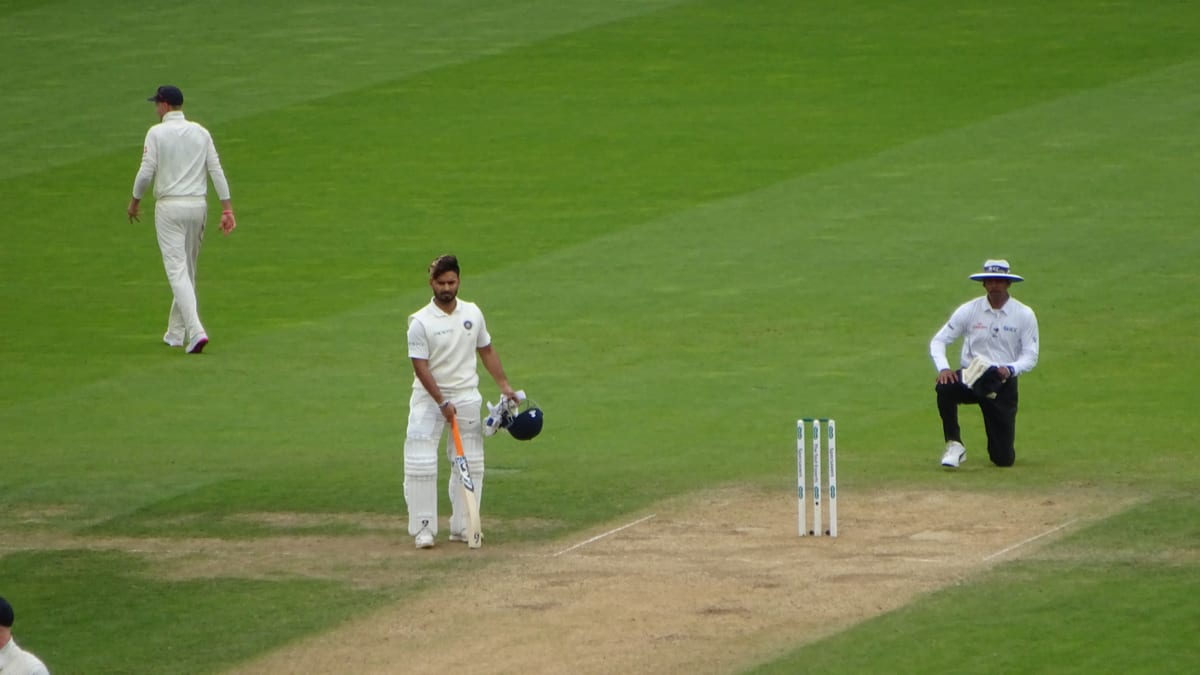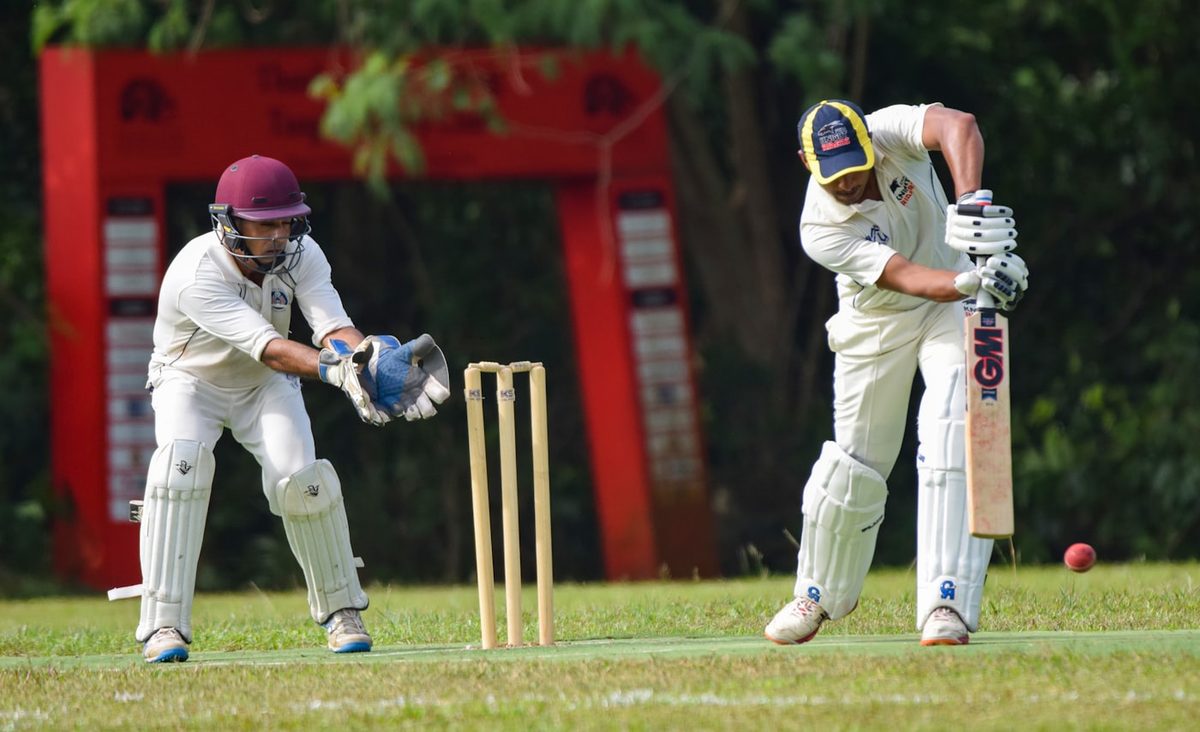
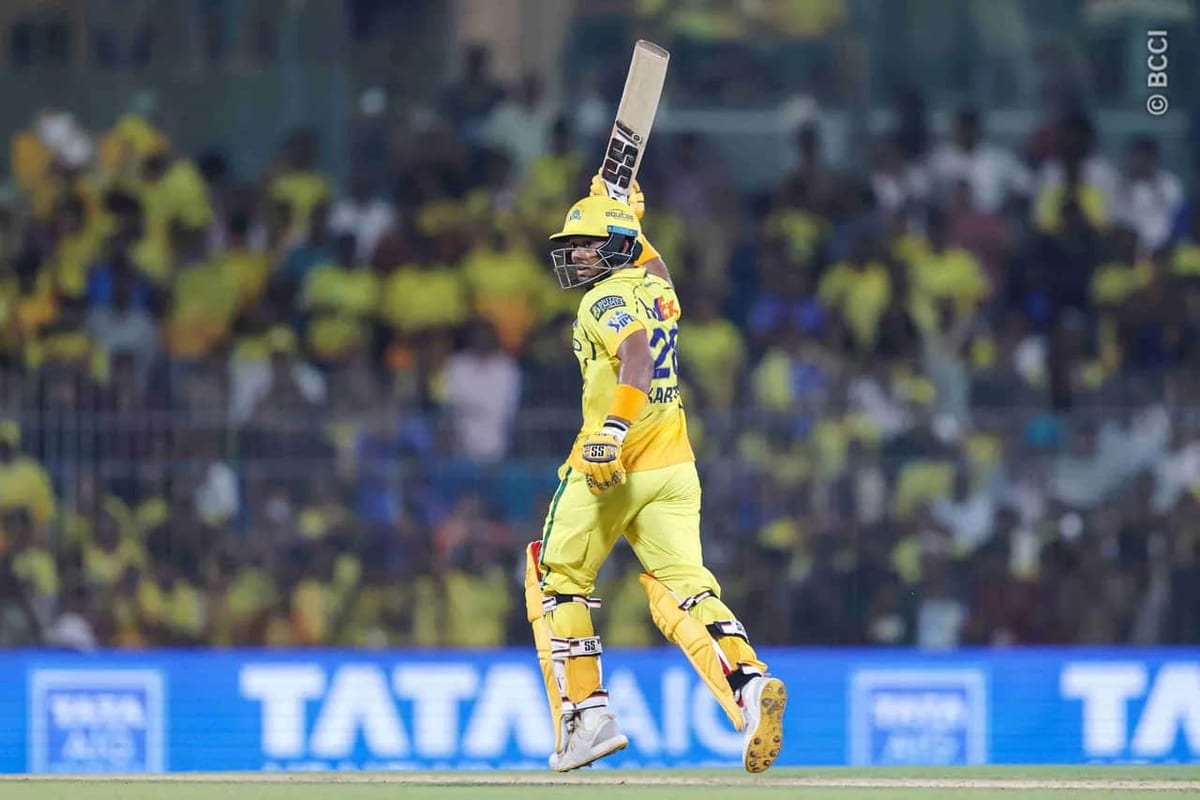
There is a particular kind of rivalry that never fully belongs to the ground it is played on. When Los Angeles Knight Riders face MI New York in Major League Cricket, the match nominally sits somewhere in an American stadium under American skies. But the emotional weight of the contest — the ownership pride, the franchise loyalty, the social media noise — is entirely subcontinental. This is the Kolkata-versus-Mumbai argument, restaged in a country that did not grow up with cricket and is still deciding whether it wants to.
Shah Rukh Khan's Knight Riders Group co-owns the LA franchise. The Ambani-controlled ownership group behind the Mumbai Indians operates MI New York. The two entities have spent the better part of two decades building parallel empires inside the IPL, accumulating trophies, developing players, refining recruitment philosophies, and occasionally sniping at each other through the press. In Major League Cricket, they are doing it again — this time with American franchise rights and an audience that the BCCI and cricket's global administrators are desperate to grow.
What MLC Actually Is
Major League Cricket launched in 2023 as American professional T20, structured around franchise teams that mirrored, quite deliberately, the IPL model. The league attracted Indian ownership groups early. That was not accidental. The proximity to the ICC T20 World Cup 2024 — co-hosted across the Americas — gave MLC a geopolitical urgency: if cricket was going to plant roots in the United States, it needed visible, credible franchises with recognisable brands behind them. The Knight Riders brand and the Mumbai Indians name delivered exactly that shortcut to legitimacy.
Both LA Knight Riders and MI New York have consistently recruited players with IPL experience. The rosters carry that particular MLC quality — a mix of West Indian power-hitters, South African seamers who move the ball, and the occasional uncapped player trying to force his way into someone's T20 shortlist. Every franchise in MLC has this shape. But the two IPL-lineage teams carry an additional layer of scrutiny: every innings, every bowling change, every tactical decision reflects on the parent club's reputation. A Knight Riders team that collapses cheaply in Texas is not just losing a fixture in America. It is generating content about the Knight Riders brand.
The Proxy Rivalry
Cricket rivalries travel with their fans, not with geography. Indian supporters who have grown up watching KKR and MI trade blows in Eden Gardens or at Wankhede arrived in MLC with those allegiances already hardened. The LA versus NY fixture therefore carries a pre-loaded emotional charge that no other MLC matchup quite replicates. Chennai Super Kings have their own American team — the Texas Super Kings — and that franchise brings CSK's yellow-jersey fandom into the mix. But the Knight Riders–Mumbai Indians axis has the deepest institutional rivalry, the most storied recent history, and the ownership profiles that attract business-press coverage alongside sports coverage.
Shah Rukh Khan's involvement with the Knight Riders group has always been more than passive investor. He appears in the dressing room, he speaks in press conferences, he has built the franchise as an extension of his own brand identity. The Ambani family approaches the Mumbai Indians differently — as a corporate asset within a diversified empire, managed with professional precision rather than personal flair. Both models work. Both have produced IPL champions. In MLC, the contrast between those two ownership philosophies plays out in miniature, with smaller budgets, shorter seasons, and a lot more travel.
The Playoff Arithmetic
MLC's round-robin format compresses quickly. In a short league window, a single result can shift a franchise from comfortable playoff qualification to anxious net-run-rate calculation. LA Knight Riders and MI New York, given the depth of their recruitment pipelines and the institutional knowledge behind both dugouts, enter most MLC fixtures as favourites against the league's less-resourced sides. When they meet each other, those advantages cancel out. What remains is execution: who wins the toss, whether the pitch assists spin in the middle overs, whether the power-play bowling unit can contain an aggressive top order.
Knight Riders franchises — KKR in the IPL, Trinbago in the CPL, and now LA in MLC — have historically been inconsistent in league stages and dangerous in knockout rounds. There is a pattern to the brand: underperform expectations, then peak when it matters. Whether that holds in American T20 is partly tactical and partly cultural. The Knight Riders group instils a particular kind of confidence in its squads, a belief that the template holds regardless of geography. MI New York imports a different institutional memory — the Mumbai Indians of the IPL won multiple titles through relentless process-orientation, deep bowling attacks, and extraordinary middle-order calm under pressure.
What American Audiences See
An American spectator watching this fixture sees two professional T20 teams playing fast cricket. An Indian spectator — in the stands, or more likely watching via a streaming service — sees something denser: the accumulation of an entire franchise relationship, compressed into twenty overs. Every six hit by a Knight Riders batter carries the echo of Eden Gardens. Every wicket taken by an MI New York seamer resonates against the backdrop of Wankhede's floodlit evenings.
This dual viewing experience is precisely what makes MLC strategically valuable. The league does not need to win American audiences immediately. It needs to sustain Indian audiences — including the Indian diaspora communities in cities like New York, Los Angeles, Houston, and Dallas — while cricket's American infrastructure slowly matures. The Knight Riders and Mumbai Indians brands are central to that strategy. They make MLC legible to the one audience that is already guaranteed to care.
Player Pipelines and Selection Conversations
For Indian cricket specifically, MLC serves a secondary function that gets less coverage than the franchise brand stories. Players from outside the top tier of IPL squads — those on the fringes of national T20 consideration, or those who have gone past their IPL peak but retain quality — can extend their competitive careers and their visibility through MLC. Coaches and selector networks that follow the IPL also follow what those players do in America. A consistent MLC campaign does not guarantee an India recall. But it keeps a name in circulation in a sport where being forgotten is often more decisive than any single performance.
Both LA Knight Riders and MI New York benefit from this pipeline logic. They attract players who still have something to prove, players who need competitive T20 matches against quality opposition to rebuild form or confidence. The institutional backing of the parent IPL franchises means those players arrive with support structures — analyst teams, training protocols, the kind of marginal-gain focus that smaller MLC franchises cannot replicate.
The result is a match that functions on several frequencies simultaneously: a franchise rivalry for Indian fans, a business case for MLC's investors, a scouting exercise for IPL talent teams, and a genuine T20 contest that will be decided by the quality of the cricket. India's cricket economy built this architecture. It is worth watching how it performs when transplanted to soil that did not grow it.