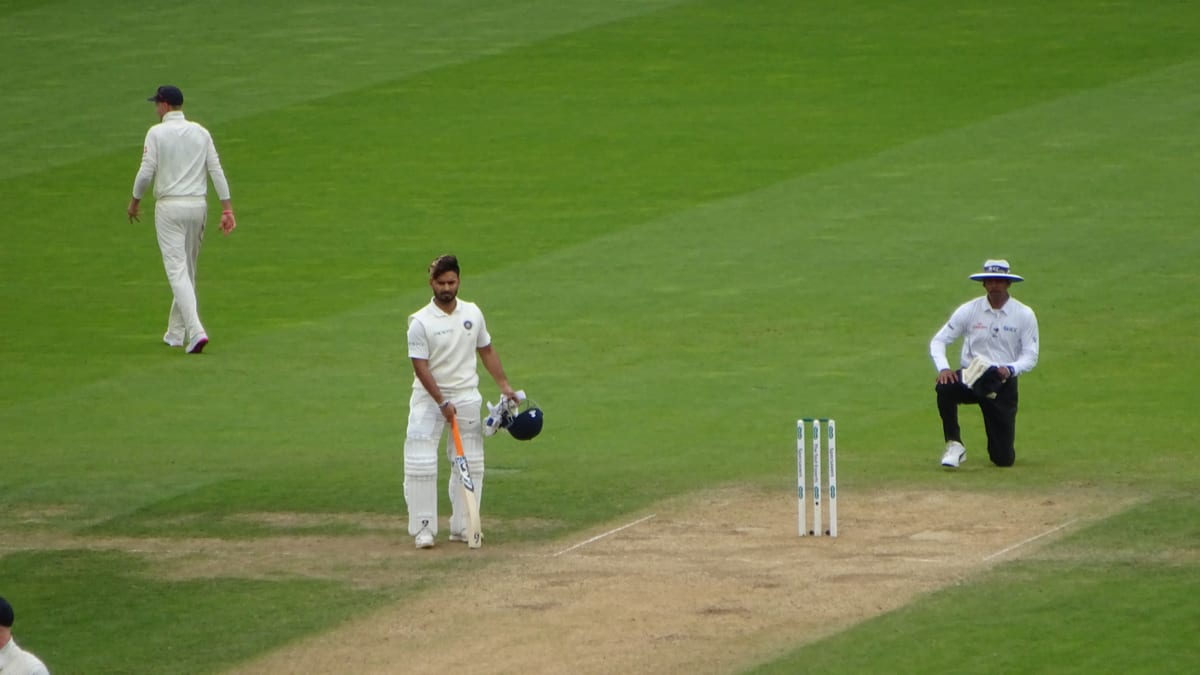
Shapoor Zadran is dead. The tall, left-arm fast bowler who became the first recognisable pace threat in Afghanistan's international cricket story died after a prolonged illness, days short of his 39th birthday. The illness was Hemophagocytic Lymphohistiocytosis, a rare and aggressive immune disorder that turns the body's own defences into the enemy. He played 44 ODIs and 36 T20Is for Afghanistan. The numbers are modest by any standard. What they cannot capture is the weight of being first.
There is a category of cricketer whose statistical record tells almost nothing about their actual significance. Shapoor belongs entirely in that category. He arrived on the international stage when Afghanistan cricket was still learning to carry itself — when every wicket taken against an Associate opponent was a declaration, and every run conceded against a Full Member was a tuition fee. He was six feet and four inches of raw aspiration from a country that cricket had barely noticed.
What It Costs to Be First
The founding generation of any cricketing nation pays a price that later generations spend their careers cashing the dividends from. Shapoor Zadran bowled with pace and menace in conditions that Afghan cricketers trained for in displacement — many of the early squad had learned the game in Pakistani refugee camps or in the diaspora before the Afghanistan Cricket Board found its feet. To carry pace bowling across those conditions, with no established domestic circuit behind you and no institutional memory of what an Afghan fast bowler was supposed to look like, required something that coaching manuals do not address.
Rashid Khan has millions of Instagram followers and IPL auction records to his name. Mohammad Nabi is a franchise cricket commodity across three continents. They play in a world that Shapoor's generation helped construct. The left-arm angle he brought to Afghan pace bowling — rare, difficult to sight, awkward against right-handers — was not the product of a structured academy. It was something he refined in the gaps between a country's larger tragedies.
His illness, HLH, is a condition where the immune system over-activates and begins destroying the body's own blood cells and organs. It is rare, devastating, and disproportionately difficult to manage without sophisticated healthcare infrastructure. That Shapoor Zadran spent his final months battling something this serious while the world of cricket moved on to its next IPL cycle or bilateral series is a quiet indictment, not of any single institution, but of a structural blind spot the game has never adequately addressed.
The India Connection — Written in Lucknow and Greater Noida
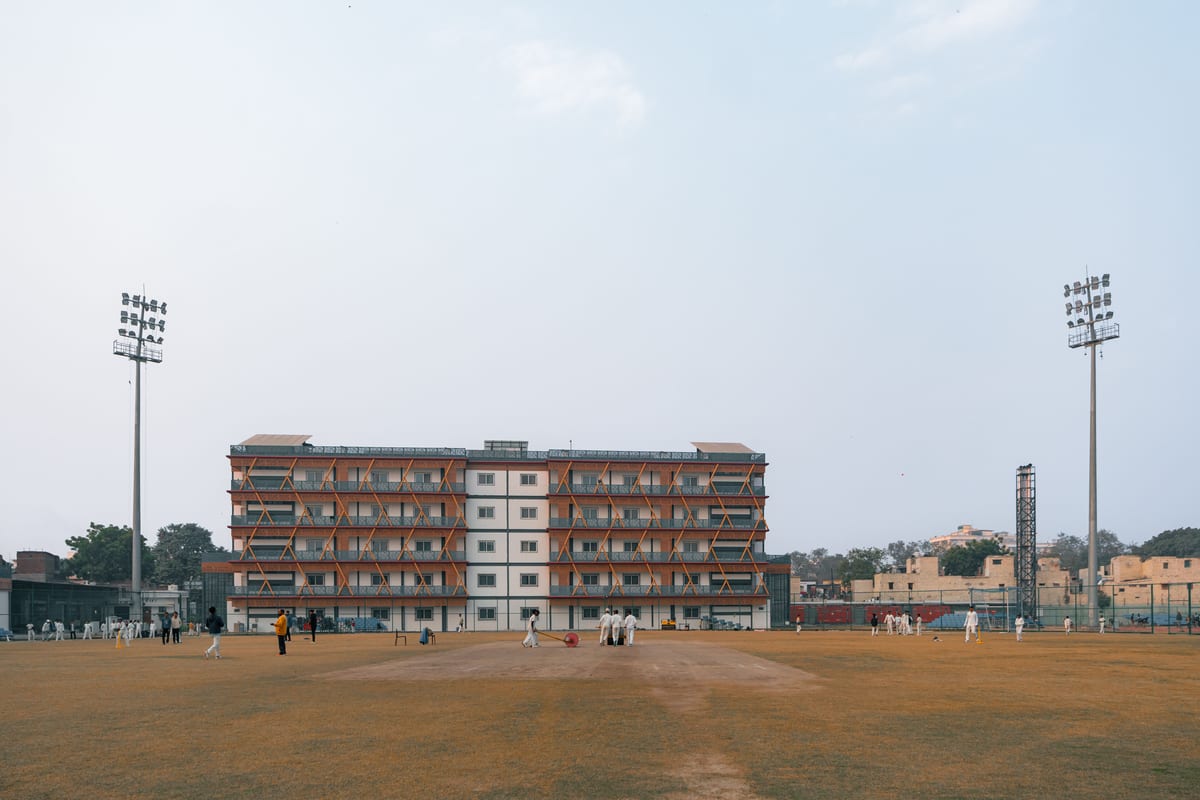
Afghanistan does not play Test cricket at home in Afghanistan. Their home matches happen in India — in Lucknow, in Greater Noida, at venues the BCCI has made available as part of a host-board arrangement that has been one of the more quietly consequential administrative decisions in recent cricket history. This is not charity. It is a recognition that Afghanistan cricket's legitimacy as a Full ICC Member required a functioning home — and India provided one when no other major board stepped forward.
Shapoor Zadran played in that arrangement. He bowled in those stadiums. Indian cricket fans saw him up close not just in ICC tournaments but in these hosted contests — a lanky left-armer running in hard, generating pace that surprised opposing batsmen who had underestimated what Afghan cricket had quietly assembled. For Indian audiences, he was never an abstraction. He was a name on a scoreboard, a wicket taker, a threat in the tail-end overs who had to be treated with respect.
The BCCI's relationship with Afghanistan cricket is layered — administrative support, infrastructure access, and the natural pathway of IPL cricket, which has absorbed Afghan players like Rashid and Nabi into franchise rosters and made them household names in Indian cricket conversation. Shapoor was part of the generation that made Afghan players credible enough to command those IPL contracts for those who followed. He preceded the flood. He was part of the drizzle that told you rain was coming.
The Pipeline Question Nobody Asks Until It's Too Late
Every obituary for a first-generation sporting pioneer carries within it an implicit question about succession. Afghan cricket's fast bowling pipeline after Shapoor's era is not in obvious crisis — Fazalhaq Farooqi has emerged as a serious left-arm seam bowling option with genuine quality — but the deeper question is structural. How does a cricket board ensure that the sacrifices of its founding generation translate into systematic improvement rather than isolated brilliance?
India's own experience with pace bowling infrastructure offers a useful comparison. For decades, Indian cricket starved its fast bowlers — short spells, inadequate workload management, no coordinated understanding of how to develop and protect high-paced bowlers in subcontinental conditions. The transformation, when it came, was deliberate: investment in the National Cricket Academy, workload monitoring, a specific cultural shift in how fast bowlers were valued. Afghanistan is somewhere earlier in that arc. The question Shapoor's death presses is whether the ICC and Afghanistan Cricket Board are treating that arc as a genuine priority or as something that will work itself out.
Player welfare for cricketers from emerging nations is a conversation the ICC has circled without landing on for years. The economics are real — Full Member boards generate revenues that allow for structured welfare programmes; Associate-era nations accumulate goodwill and very little else. Shapoor Zadran played his international cricket through a period when Afghan cricket was still scrambling for every resource. Whether the care structures available to him matched those available to a contemporary English or Australian cricketer of equivalent career length is a question worth posing directly.
What a Left-Arm Fast Bowler Means in Context
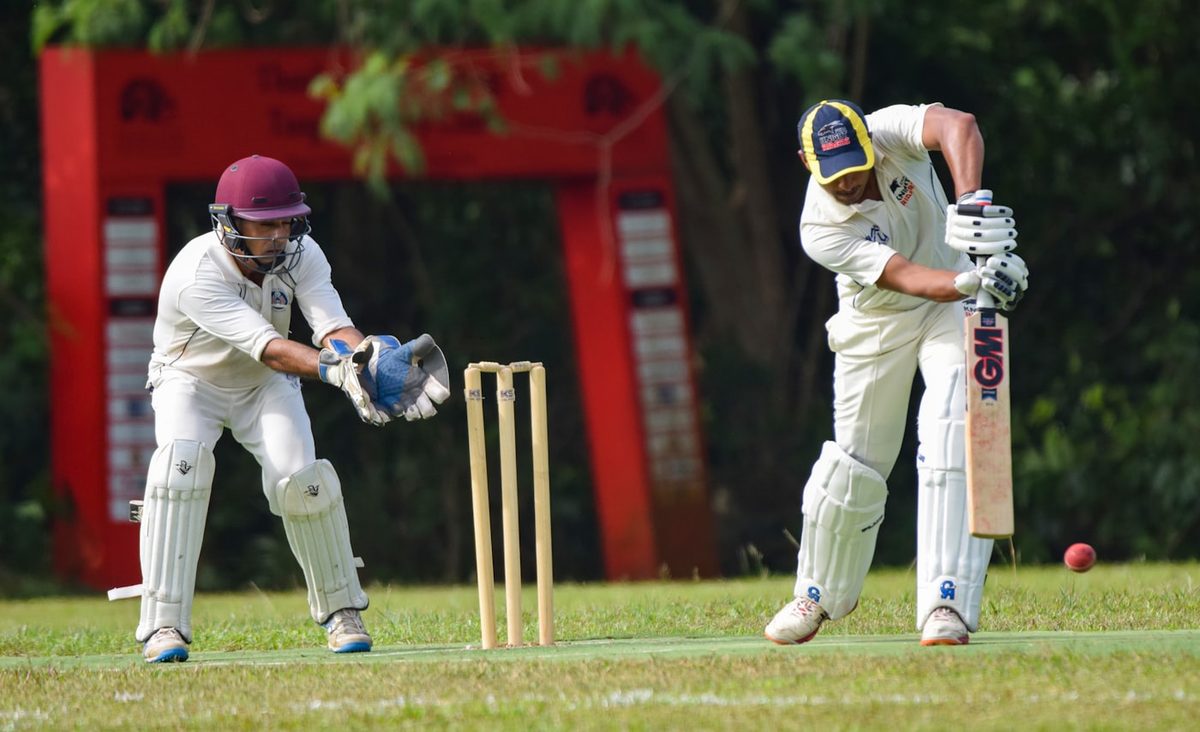
Left-arm pace bowling is a specific gift. Right-handed batsmen, who constitute the majority of any batting lineup, face left-arm over-the-wicket bowling as an angle that their muscle memory has seen less of. The ball that shapes away late, the one that jags back into the stumps — both disrupt the grooved responses that right-handers develop against over-the-wicket right-armers. Shapoor gave Afghanistan that angle across 44 ODIs at a time when every tactical weapon mattered enormously. He was not a first change option deployed in comfortable conditions. He was a frontline instrument for a team building its case to be taken seriously.
The broader Afghan cricket story — from Associate minnow to a team that has defeated Test-playing nations in ICC events — is one of cricket's genuinely remarkable chapters in this century. It unfolded against a backdrop of political upheaval, displacement, and institutional instability that would have extinguished most cricketing programmes. That it didn't is the result of individual acts of persistence by players like Shapoor Zadran, who kept showing up to international cricket when the world around them offered little encouragement.
Rashid Khan and Mohammad Nabi will pay tribute in the coming days, and those tributes will be sincere — not the polished condolences of administrators, but the words of men who know exactly what Shapoor's generation carried so that theirs could play with confidence. IPL franchises, several of whom have Afghan players on roster, will post social media acknowledgements. The BCCI, in its host-board role, may issue a formal statement. All of this is appropriate. None of it answers the harder question his death raises.
Afghan cricket's next fast bowler is somewhere in a domestic competition right now, probably without the healthcare infrastructure, injury support, or career security that his counterpart in a Full Member nation takes for granted. The ICC's duty of care to players from nations still building their systems is not a theoretical obligation — it is a practical one with a human face. Shapoor Zadran was that face. Cricket should not need another death to remember it.