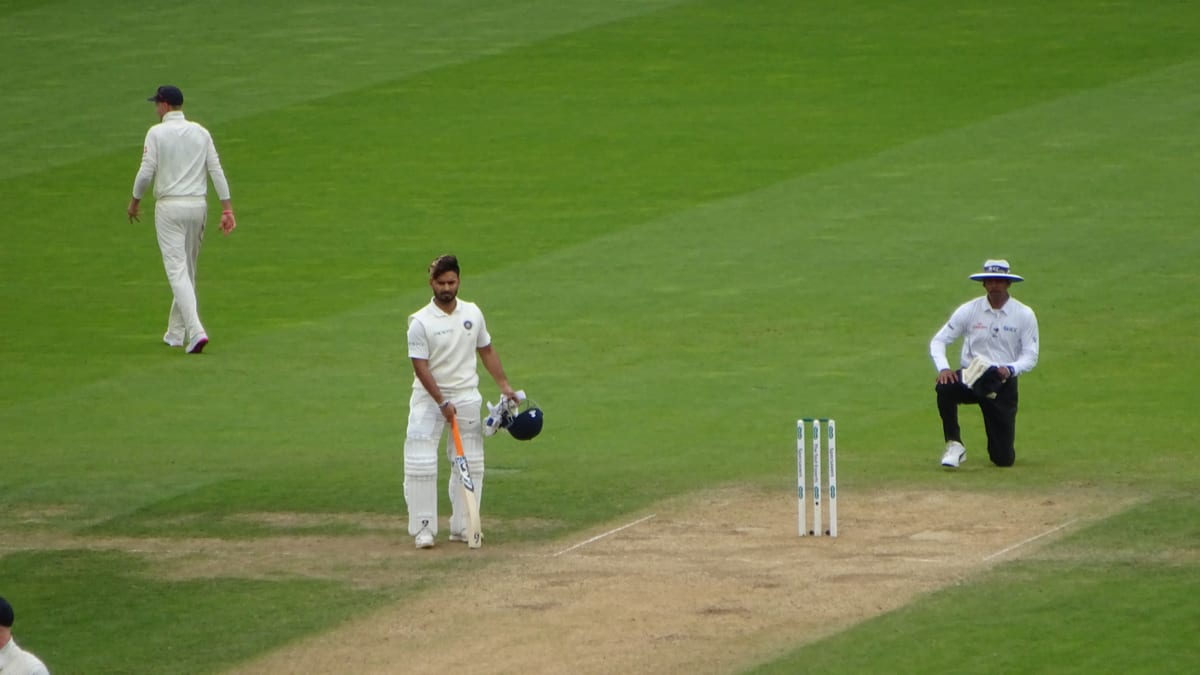

The IPL Eliminator strips cricket to its mathematical core: win and advance, lose and exit. Sunrisers Hyderabad face Rajasthan Royals in a fixture where tournament pressure reshapes tactical thinking, forcing teams to balance aggression with conservation in ways the league stage never demands.
Both franchises finished the league campaign in positions three and four. The Eliminator format creates a singular psychological burden: teams must play to win while managing the catastrophic downside of elimination. This tension between calculated risk and necessary boldness defines playoff cricket.
The Selection Psychology of Knockout Cricket
Team selection for elimination matches reveals competing philosophies about pressure management. Conservative captains lean toward experience, trusting seasoned players to handle the psychological load of knockout cricket. Aggressive tacticians prefer form over reputation, believing current performance matters more when margins disappear.
Sunrisers Hyderabad's approach will signal their tactical identity under pressure. Their league-stage success built on aggressive batting combinations and bowling depth, but the Eliminator format punishes experimental thinking. The temptation to revert to safe selections battles against the methods that secured playoff qualification.
Rajasthan Royals face similar calculations with added complexity. Their overseas player combinations dominated certain matchups during the league phase, but playoff cricket demands reliability over matchup-specific advantages. The franchise must decide whether their league-stage formula translates to knockout pressure or requires adjustment.
Toss Strategy Under Championship Pressure
The toss decision carries amplified weight in knockout cricket. Teams chase winning percentages rather than learning opportunities, making first-innings advantage crucial when no second chances exist. Recent IPL data shows teams batting first in playoff matches face different pressure patterns than during league fixtures.
Bowling first offers control over the target but removes the psychological comfort of setting a score. Batting first provides early momentum opportunities but risks posting inadequate totals under elimination pressure. Neither choice guarantees success, but both carry distinct risk profiles.
The powerplay becomes critical under knockout pressure. Teams must balance boundary accumulation with wicket preservation, knowing early losses compound under elimination mathematics. The opening six overs often determine whether teams chase aggressively or defend conservatively for the remainder of their innings.
The Indian Cricket Development Context
This Eliminator represents more than franchise survival. It demonstrates how the IPL continues evolving Indian cricket's competitive landscape. Players performing under knockout pressure gain invaluable experience that transfers to international assignments, where similar elimination mathematics govern World Cup campaigns and bilateral series.
The tactical lessons from high-pressure IPL cricket influence selection thinking across Indian cricket. Domestic players who excel under elimination pressure earn consideration for national squad roles, while international stars validate their reputation by handling IPL knockout cricket. The tournament serves as a pressure-testing laboratory for Indian cricket's broader strategic development.
Young Indian players face particular scrutiny in elimination matches. Their performance under knockout pressure influences franchise retention decisions and national selection conversations. Success in today's Eliminator could accelerate careers, while failure might delay opportunities in an increasingly competitive cricket economy.
Championship Psychology and Modern Cricket
The Eliminator format highlights cricket's psychological evolution. Modern tournament structures create distinct mental challenges that separate successful players from talented ones who struggle under pressure. Teams must develop psychological resilience alongside technical skills to navigate elimination mathematics successfully.
Both franchises enter this fixture having demonstrated regular-season competence, but playoff cricket tests different mental attributes. The ability to maintain aggressive intent while managing catastrophic downside risk defines championship cricket. Players who thrive under these conditions become invaluable across formats and competitions.
The winner advances to face the Qualifier 1 loser, extending their championship opportunity while the defeated team exits immediately. This stark binary outcome creates unique pressure that distinguishes playoff cricket from league-stage matches where individual losses carry minimal consequences.
Tactical Innovation Under Pressure
Elimination matches often produce conservative cricket as teams prioritize avoiding mistakes over creating advantages. Successful knockout teams find ways to maintain aggressive intent within risk-managed frameworks. The balance between safety and innovation determines whether teams merely survive or dominate elimination cricket.
Bowling combinations become crucial as captains manage limited resources across twenty overs. Unlike league cricket, where teams can absorb bowling failures across multiple matches, knockout cricket punishes single poor performances. The pressure on bowling selections intensifies when every over carries elimination consequences.
Field placements reflect the heightened stakes, with defensive configurations appearing earlier than in league cricket. However, teams that maintain attacking fields often create pressure that leads to batting mistakes. The tactical courage to sustain aggressive field positions despite elimination pressure frequently determines knockout success.
Today's Eliminator will reveal which franchise better understands the psychological and tactical adjustments required for knockout cricket. The winner demonstrates championship thinking; the loser learns expensive lessons about tournament pressure. In modern cricket, these distinctions increasingly separate sustained success from periodic competence.