
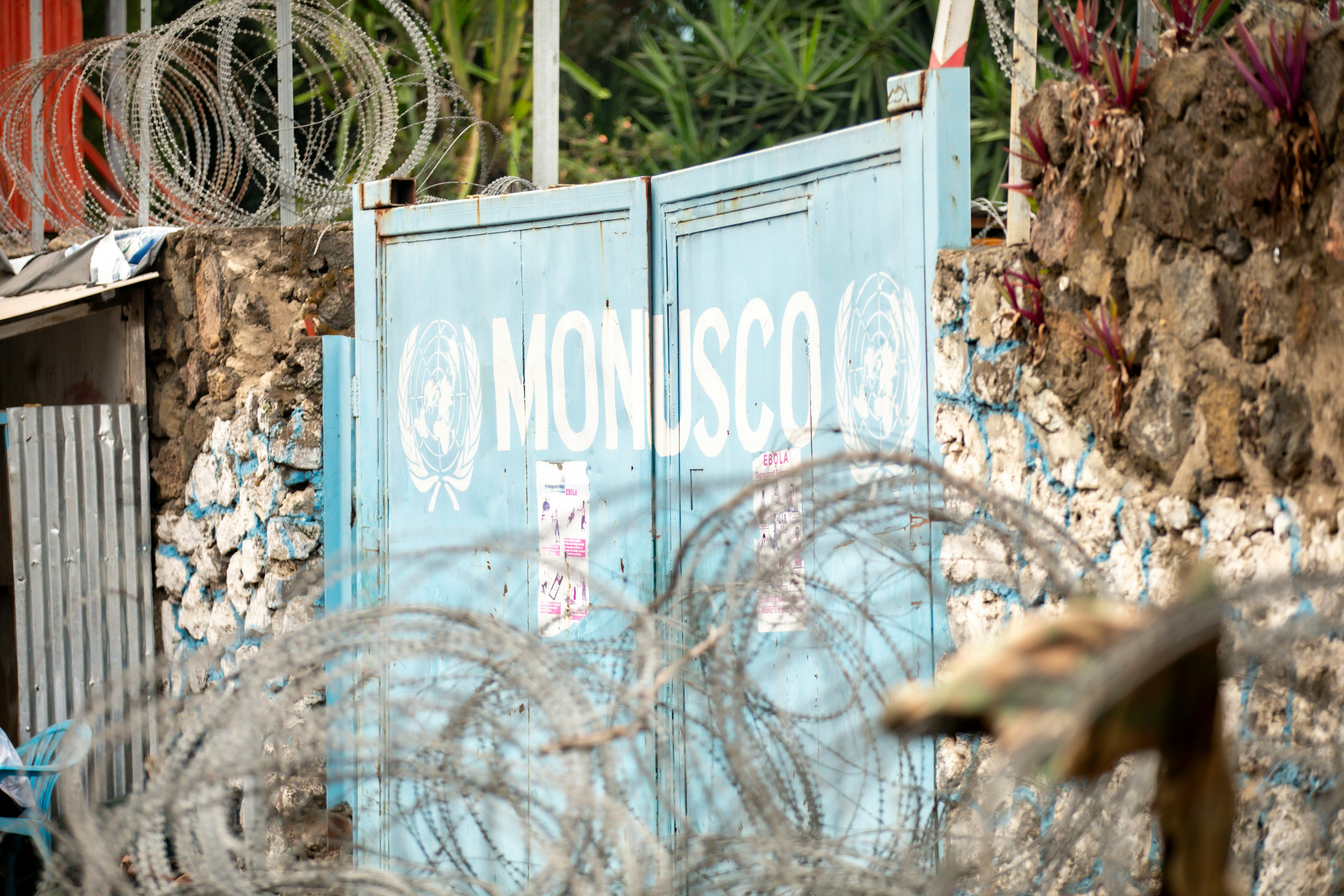
The United Nations launched a major expansion of its Nairobi headquarters on Monday, with Secretary-General António Guterres and Kenyan President William Ruto marking what officials described as a significant milestone for the Organization's presence in Africa. The move reflects Africa's growing assertion that multilateral institutions must adapt to contemporary geopolitical realities rather than preserve post-colonial arrangements.
The expansion is more than infrastructure development. Africa's 54 UN member states represent the largest regional voting bloc. When these countries develop stronger direct channels to UN leadership through an expanded Nairobi office, patterns of coalition-building change. For countries competing for leadership in South-South cooperation, this institutional strengthening creates new diplomatic dynamics.
Institutional Voice Versus Partnership Competition
Africa's enhanced UN presence alters the landscape for emerging powers seeking to build coalitions among developing nations. India's approach to Africa has historically emphasized partnership over institutional competition. The India-Africa Forum Summit mechanism operates on principles of mutual benefit rather than donor-recipient frameworks. However, Africa's institutional strengthening introduces a new variable: partners who no longer require external frameworks to amplify their global voice.
This shift creates both opportunities and challenges. African countries with strengthened institutional access may prove more receptive to partnerships that respect their autonomy. Simultaneously, they may feel less compelled to align with any single emerging power's global strategy, preferring to leverage their enhanced position independently.
Multilateral Mathematics
The arithmetic of global governance favors those who understand Africa's institutional trajectory. India's bid for permanent UN Security Council membership depends significantly on African support, making the continent's enhanced institutional capacity a critical factor in New Delhi's multilateral strategy.
Africa's strengthened voice in UN agencies could accelerate reforms that benefit the Global South. Climate finance mechanisms, technology transfer frameworks, and trade policy development increasingly reflect African priorities as the continent's institutional presence grows. These developments align with India's own positions on global governance reform.
Yet convergence requires active cultivation. As Africa develops independent institutional capabilities, passive expectations of solidarity may prove insufficient. Countries seeking African support must demonstrate value through concrete partnerships rather than rhetorical alignment.
Strategic Recalibration
The Nairobi expansion forces a reconsideration of how major developing countries engage with Africa. Traditional models assumed African countries required external support to amplify their voices in global forums. The enhanced UN presence suggests Africa increasingly commands attention through its own institutional strength.
This evolution demands more sophisticated partnership approaches. Rather than offering to help Africa gain global influence, partners must demonstrate how collaboration serves African interests in exercising that influence. India's historical solidarity with Africa during decolonization provides foundational credibility. However, contemporary partnerships must reflect current realities. African countries with strengthened institutional positions evaluate partnerships based on present value, not past sentiment.
Technology and Institutional Leverage
The expansion occurs amid rapid technological change that affects how institutions operate globally. Digital connectivity, data management, and virtual collaboration capabilities increasingly determine institutional effectiveness. Africa's enhanced UN presence positions the continent to shape how these technologies integrate with global governance structures.
For countries like India, which have developed significant technological capabilities, this creates partnership opportunities. African institutions strengthened through UN expansion may seek technological partnerships that enhance their operational effectiveness. Such collaborations could prove more durable than traditional aid relationships because they create mutual dependencies rather than one-way transfers.
The key lies in offering technological partnerships that strengthen African institutional capabilities rather than creating dependencies. Countries that help Africa leverage technology for institutional effectiveness build stronger relationships than those offering technological solutions to African problems.
Coalition Dynamics in Transition
Africa's institutional strengthening affects coalition formation across multiple global governance areas. Climate negotiations, trade policy development, and security architecture discussions all depend heavily on African positions. As the continent develops independent institutional capacity, coalition building becomes more complex but potentially more rewarding.
The challenge for emerging powers lies in adapting partnership strategies to reflect Africa's enhanced position. Traditional approaches that assumed African countries needed external leadership in global forums may prove counterproductive. Success requires recognizing Africa as an equal partner in reshaping global governance rather than a constituency to be influenced.
This transition creates opportunities for countries willing to adjust their diplomatic approaches. Those who recognize and adapt to Africa's institutional evolution position themselves favorably for long-term partnership development. Those who persist with outdated models risk marginalization as Africa exercises its strengthened voice independently.
The Sovereignty Premium
The Nairobi expansion reflects Africa's determination to exercise sovereign influence in global affairs. The continent's enhanced UN presence signals that African countries prefer institutional strength to dependence on external advocates.
For India, this evolution aligns with principles of strategic autonomy and sovereign decision-making. The challenge lies in translating philosophical alignment into practical partnerships that serve both Indian interests and African priorities. Africa's institutional strengthening serves India's vision of multipolar global governance while creating new competition for influence within that system.
As global governance structures evolve, countries that adapt their partnership approaches to Africa's enhanced institutional position will find themselves better positioned for long-term influence. The Nairobi expansion represents one milestone in this larger transformation. The future of South-South cooperation depends on recognizing partners as equals rather than beneficiaries.