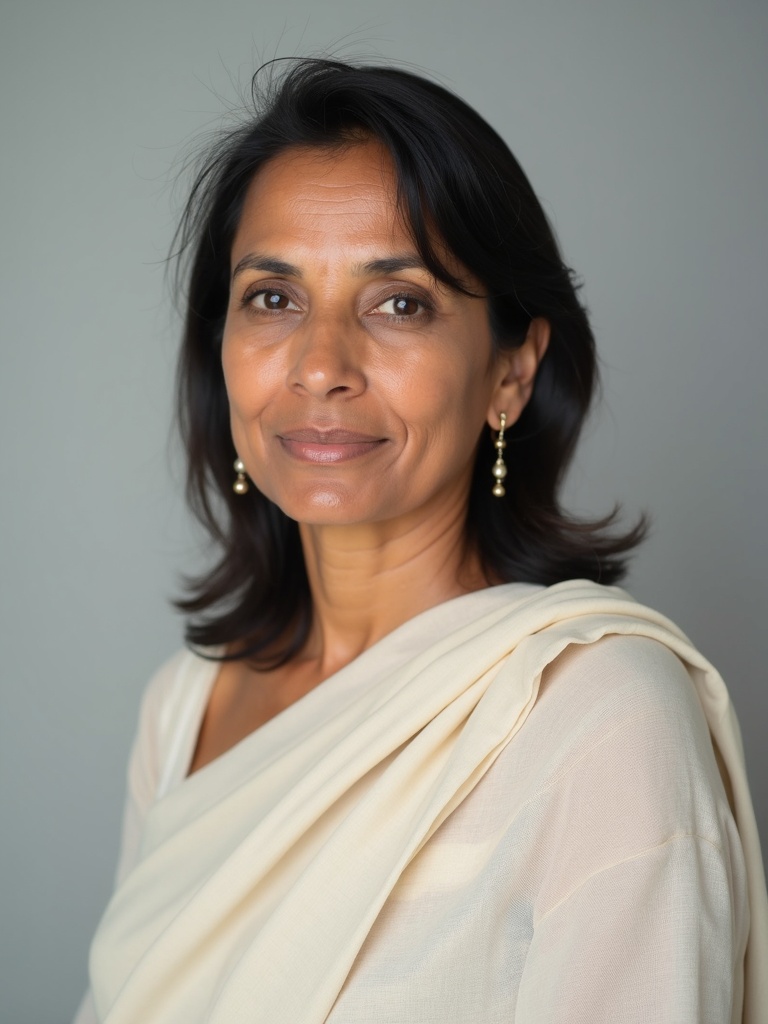
V S Babu, the Tamilaga Vettri Kazhagam (TVK) legislator who ended M K Stalin's hold on Chennai's Kolathur assembly seat after the DMK president had represented it since 2011, died on Thursday at MGM Healthcare in Chennai. He was 75. LiveMint reported that he had been hospitalised with a prolonged respiratory illness; NDTV said the admission came on September 9.
The hospital said his condition deteriorated despite treatment and intensive care. He suffered a cardiac arrest at 2.14 pm and was declared dead at 2.24 pm, according to the LiveMint report.
Babu's death comes months after he defeated then incumbent Tamil Nadu chief minister M K Stalin in the 2026 assembly election, securing 82,997 votes to Stalin's 74,202. The 8,795-vote margin ended Stalin's uninterrupted hold on the constituency since its formation in 2011, LiveMint reported.
Babu was not a newcomer. Born in 1951, he began in the DMK and rose to become the party's North Chennai district secretary. He won the Purasawalkam seat on a DMK ticket in 2006 and served until 2011. Years later, he left the party over differences with the leadership, joined the AIADMK in June 2016, and moved to actor Vijay's TVK in February 2026, according to LiveMint's account of his political journey.
TVK fielded Babu against Stalin in what LiveMint described as one of the closely watched contests in the state. Babu's earlier association with the DMK and his role in the constituency's political organisation made him a potent challenger. The result gave TVK its first elected MLA.
Stalin challenged the result. In August 2026, the DMK president approached the Madras High Court alleging irregularities in the post-election verification of electronic voting machines. The case has not yet produced a ruling, LiveMint reported.
The bypoll that will define TVK's second year
The seat now falls vacant, and a by-election will follow. For TVK, the contest will measure whether the party can win without its founder on the ballot and without the candidate who carried it to its only legislative success.
Babu's victory in Kolathur rested on two forces. One was incumbency fatigue after Stalin's long tenure in the seat. The other was the novelty of Vijay's film-star appeal and the promise of a break from both Dravidian majors. Which of those survives Babu's death is the open question.
The party's only sitting MLA is gone. TVK has no legislative record to defend and no second constituency where it has proved a candidate can win. Kolathur will be the first test of whether the party is a durable organisation or a one-election phenomenon.
For the DMK, the bypoll is a prestige battle on Stalin's home turf. The chief minister lost the seat while still leading the state government. Reclaiming Kolathur would let the party argue that Babu's victory was a personal aberration rather than a structural shift. Losing it again would deepen the sense that the DMK's North Chennai base has frayed.
Vijay now has to field a candidate who can inherit Babu's network. That network was built through decades of local organisational work, first with the DMK and later with the AIADMK. It is not easily transferred. The temptation will be to select a high-profile film face or a family associate. The safer choice may be a ward-level functionary who knows the constituency's arithmetic.
There is a structural question about personality-driven parties. TVK's rise has been tied to Vijay's screen persona. Babu was its first success, but he came from the old Dravidian ecosystem, not from the fan clubs. If the party cannot hold a bypoll without its founder on the ballot, its national ambitions will remain aspirational.
Babu's career shows how Tamil Nadu's political labour market rewards organisational skill over ideology. He moved from DMK to AIADMK to TVK without leaving the Dravidian fold, and each party used his network. The fact that TVK's first win came through a 75-year-old former DMK district secretary rather than a celebrity is instructive. Vijay's fans may fill rallies, but they do not necessarily know where polling booths are or who runs the local party offices. Babu knew.
The bypoll will also be watched for what it says about election administration in Tamil Nadu. Stalin's legal challenge to EVM verification introduced a post-election dispute into a constituency that had not previously seen such litigation. If the high court orders an inspection of machines or documents before the bypoll, the contest could become a proxy fight over electoral process as much as over local issues.
Kolathur is more than a political symbol. It includes neighbourhoods where the DMK's organisational machinery was once the dominant civic structure. Babu understood that machinery because he had helped build it. His death removes a figure who could speak both the old language of Dravidian movement politics and the new language of anti-incumbency.
Kolathur's bypoll is not about a vacancy. It is the first measurement of whether Tamil Nadu's newest political force can convert a symbol into an organisation. Babu's death removes the symbol. The organisation now has to prove it exists.