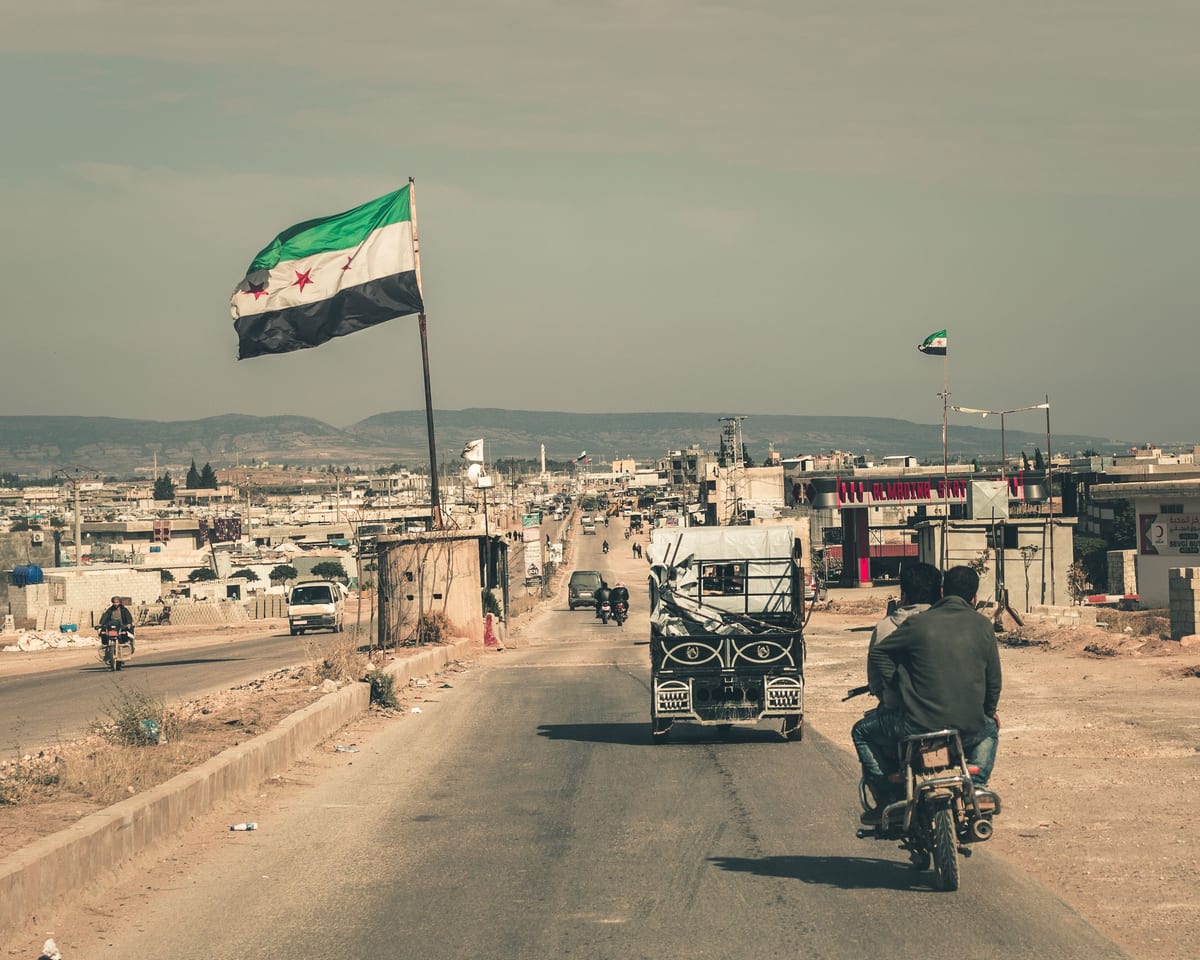

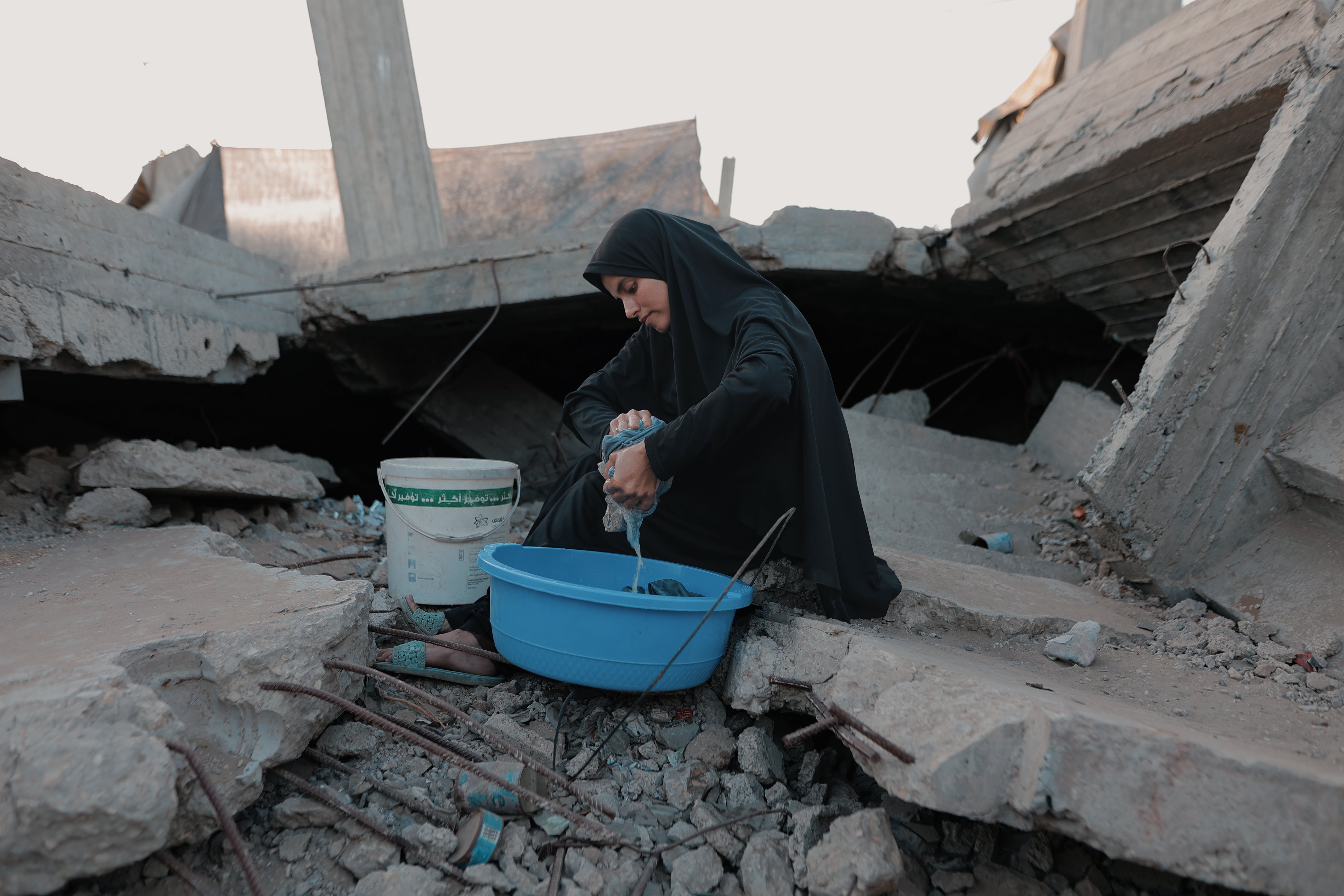
The occupied West Bank has become a killing field for children, with Israeli military operations and settler attacks claiming growing numbers of young Palestinian lives, according to UN agencies. The violence involves shootings, stabbings, and pepper-spray attacks against minors. It threatens regional stability at a moment when India depends heavily on Middle Eastern energy supplies and maintains complex strategic partnerships across the region.
The UN warning comes as tens of thousands of Palestinian children in Gaza face life-changing injuries without access to treatment. This surge in violence against civilians places India's carefully calibrated Middle East policy under strain, forcing New Delhi to navigate between its growing security partnership with Israel and its traditional support for Palestinian statehood.
Strategic Partnerships Under Pressure
India's position grows more complex by the day. The country hosts thousands of Palestinian students in its universities while simultaneously deepening defense cooperation with Israel across missile systems, surveillance technology, and counterterrorism operations. This dual engagement—once manageable during periods of relative calm—now faces direct challenge as civilian casualties mount and international pressure for accountability intensifies.
The escalation threatens to unravel India's West Asia strategy, which has balanced relationships with Israel, Palestine, and the Gulf states for decades. Indian policymakers understand that sustained violence undermines the regional stability necessary for energy security, diaspora safety, and economic partnerships that support India's growth.
Regional instability carries immediate consequences for Indian interests. Energy imports from the Gulf face potential disruption if violence spreads beyond the West Bank. Indian workers across the Arabian Peninsula—numbering in the millions—become vulnerable to broader regional tensions. The diplomatic architecture that allows India to maintain partnerships with both Israeli technology sectors and Palestinian educational institutions begins to fracture under pressure.
The Energy Security Dimension
India's dependence on Middle Eastern oil makes regional stability a national security imperative rather than a diplomatic preference. The country imports roughly 85 percent of its crude oil requirements, with significant portions flowing from Gulf producers who maintain complex relationships with both Israeli and Palestinian causes. Escalating violence in the occupied territories creates ripple effects across energy markets and supply chains that Indian planners cannot ignore.
The connection between Palestinian casualties and Indian energy security may seem distant, but regional conflicts have historically disrupted oil flows and driven up global prices. For an economy pursuing manufacturing growth and urban development on India's scale, energy price volatility creates immediate fiscal pressures and longer-term planning challenges that affect everything from industrial policy to household budgets.
Gulf states increasingly view sustained Israeli-Palestinian violence as destabilizing to their own modernization projects and economic diversification efforts. This perspective aligns with India's preference for regional stability but complicates New Delhi's growing security cooperation with Israel, which has become central to Indian defense modernization and technological advancement.
Diplomatic Complexity in Practice
India's response to escalating violence must satisfy multiple constituencies without abandoning core strategic interests. The Ministry of External Affairs traditionally calls for restraint from all sides while supporting Palestinian rights and a two-state solution. This formulation worked during previous cycles of violence but faces new pressures as casualty figures rise and international scrutiny intensifies.
The challenge extends beyond public statements to practical policy coordination. India participates in multilateral forums where Palestinian statehood receives broad support, including BRICS and various South-South cooperation mechanisms. Simultaneously, Indian and Israeli officials coordinate on security technologies, agricultural innovation, and water management systems that serve Indian development priorities.
This balancing act requires constant recalibration as violence escalates. Indian diplomats must preserve strategic partnerships while maintaining credibility on humanitarian concerns. The approach demands sophisticated messaging that distinguishes between tactical cooperation and strategic alignment, allowing India to work with Israel on specific issues while supporting Palestinian political aspirations.
The Humanitarian Imperative
Reports of children being shot, stabbed, and pepper-sprayed create humanitarian obligations that transcend strategic calculations. India's soft power diplomacy relies heavily on its reputation as a responsible global citizen that supports international law and civilian protection. Remaining silent on systematic violence against children would undermine India's broader diplomatic positioning across multiple forums and relationships.
Indian policymakers recognize that sustained violence against Palestinian civilians, particularly children, generates broader regional instability that affects all of India's Middle Eastern partnerships. Gulf states increasingly demand clear positions on Palestinian rights from strategic partners. Avoiding the humanitarian dimension of the crisis could damage relationships that extend far beyond the immediate conflict.
The humanitarian crisis also affects India directly through its educational and cultural exchanges with Palestinian institutions. Indian universities maintain partnerships with Palestinian academic institutions, while cultural and scientific cooperation continues despite political tensions. Violence against civilians undermines these people-to-people connections that serve Indian soft power objectives.
Multilateral Leverage and Strategic Autonomy
India's response to West Bank violence will test its commitment to strategic autonomy in an increasingly polarized international system. The country's approach must demonstrate independence from both Western pressure for stronger condemnation of Israel and potential pressure from regional allies to abandon Israeli partnerships entirely.
This situation provides an opportunity for India to exercise multilateral leadership through forums where it commands respect from all parties. BRICS platforms, South-South cooperation mechanisms, and bilateral diplomatic channels offer venues for India to advocate for de-escalation without choosing sides in a conflict that predates its strategic partnerships with both Israel and Arab states.
The test for Indian diplomacy lies in converting moral authority into practical influence. New Delhi's position that violence against civilians, including children, is unacceptable regardless of the perpetrator provides a foundation for engagement with all regional actors. The challenge is translating this principle into concrete diplomatic initiatives that serve both humanitarian objectives and Indian strategic interests.
As casualties mount and international pressure intensifies, India's Middle East balancing act faces its severest test since the Abraham Accords reshaped regional dynamics. The country's response will define not only its relationships in West Asia but its broader credibility as a rising power committed to international law and civilian protection. Success requires threading a diplomatic needle that preserves strategic partnerships while upholding humanitarian principles—a challenge that will shape India's regional influence for years to come.