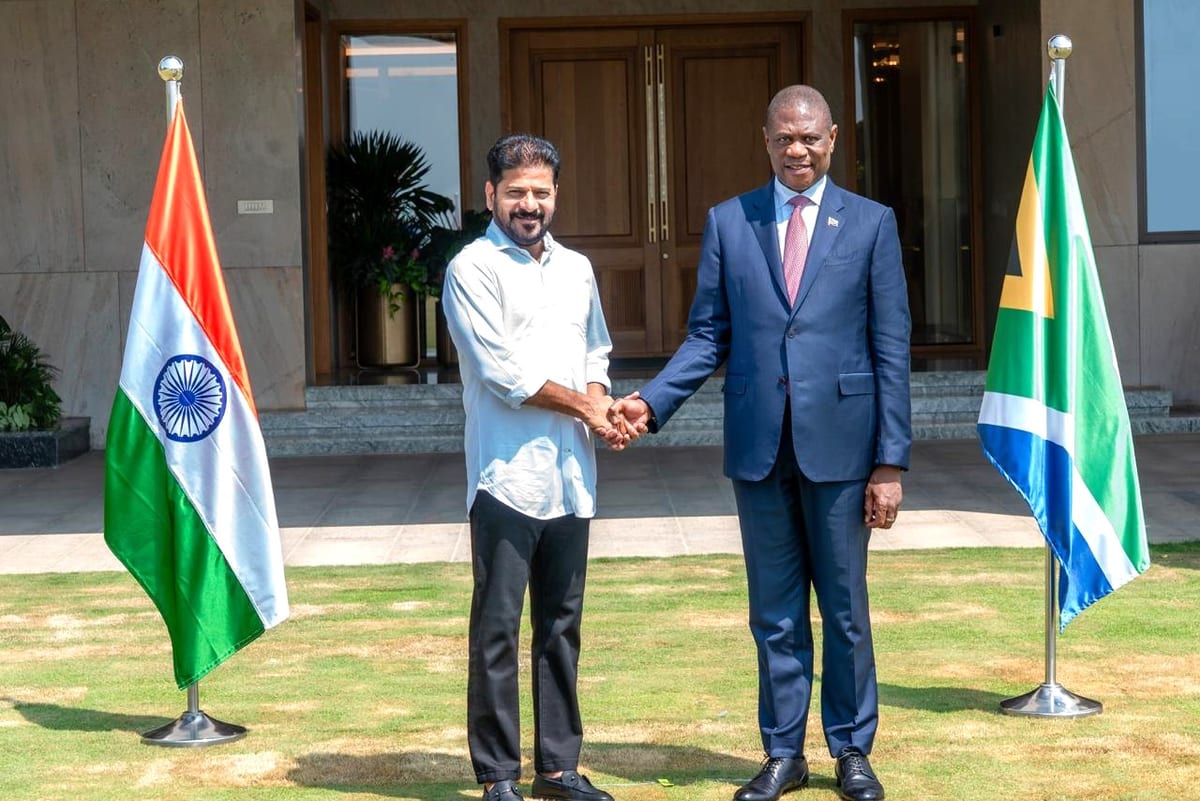
Bangladeshi Foreign Minister Khalilur Rahman's election as President of the UN General Assembly's 81st session places Bangladesh at the center of global governance. Rahman defeated Andreas Kakouris of Cyprus in Tuesday's closely contested vote, positioning himself to guide the world body through a year marked by intensifying crises and institutional reform pressures.
The victory comes as the UN confronts its deepest legitimacy crisis since formation. Rahman will preside over debates on UN Security Council expansion, climate finance mechanisms, and the institutional architecture that has governed global affairs for nearly eight decades. His leadership arrives as developing nations increasingly challenge Western dominance in international institutions.
Institutional Leverage in a Fragmenting Order
The General Assembly presidency, while largely ceremonial, provides crucial agenda-setting power. Rahman inherits an institution struggling to respond to new actors and voices. Traditional multilateral frameworks established at Bretton Woods show visible strain as states create alternative forums—from BRICS to regional cooperation mechanisms—that supplement or undermine established structures.
Bangladesh's elevation reflects broader shifts in global power distribution. The country's economic growth, strategic geographic position, and active participation in peacekeeping operations have enhanced its international standing. Rahman brings experience from a foreign ministry that has balanced competing regional and global pressures while maintaining sovereignty over national development priorities.
Strategic Opportunities Through Regional Partnership
New Delhi's calculation involves leveraging Rahman's presidency to advance India's own multilateral agenda without compromising strategic autonomy. The opportunity encompasses UN Security Council reform—where India seeks permanent membership—and climate finance negotiations where developing nations demand greater resource flows from industrialized countries.
Bangladesh's leadership creates space for coordinated South Asian positions on global governance reform. Both countries share skepticism toward Western-dominated institutional arrangements that marginalize developing nation voices. Rahman's presidency provides a platform for advancing frameworks that reflect contemporary power realities rather than post-war hierarchies.
India's growing influence in multilateral forums—from the G20 to BRICS—complements Bangladesh's new institutional position. Together, they can build coalitions that advance South-South cooperation principles while resisting pressure to choose between competing power blocs.
Indian diplomatic strategy increasingly emphasizes multi-alignment. Rahman's presidency offers opportunities to demonstrate this approach practically. New Delhi can support Bangladeshi initiatives that advance shared interests while maintaining independent positions on issues where national interests diverge.
Navigating Great Power Competition
Rahman assumes the presidency as US-China rivalry reshapes international institutions. Both superpowers seek to influence UN agenda-setting and coalition-building processes. Bangladesh's position requires careful navigation between these competing pressures while advancing smaller state interests.
The Chinese Belt and Road Initiative has significant presence in Bangladesh, while US partnerships focus on democratic governance and economic development. Rahman must balance these relationships while maintaining Bangladesh's sovereign decision-making authority.
India's experience managing superpower relationships provides relevant lessons. New Delhi's success in maintaining partnerships with Washington, Moscow, and Beijing simultaneously shows how middle powers can exercise agency despite external pressures. Bangladesh's UN presidency offers opportunities to apply similar multi-alignment principles at the global institutional level.
The presidency also coincides with debates over technology governance, artificial intelligence regulation, and cyber security frameworks. These emerging issues require developing nation perspectives to ensure global governance mechanisms reflect diverse interests rather than technological hegemon preferences.
Climate Diplomacy and Development Finance
Climate negotiations represent another area where Bangladesh-India coordination can advance shared objectives. Both countries face severe climate vulnerability while maintaining development imperatives. Rahman's presidency occurs during crucial preparatory work for future climate summits where developing nation positions require institutional support.
Bangladesh's experience with climate adaptation—from sea-level rise to extreme weather events—provides credibility in global climate discussions. The country's approaches to disaster management and community resilience offer models for other vulnerable nations. Rahman can use the presidency platform to amplify these experiences while demanding greater international support.
India's renewable energy expansion and climate technology development complement Bangladesh's adaptation focus. Together, they can advocate for climate finance mechanisms that prioritize developing nation needs over donor country preferences. The partnership strengthens Global South negotiating positions in forums where industrialized countries have traditionally dominated agenda-setting.
Institutional Reform and Democratic Representation
The fundamental question underlying Rahman's presidency involves institutional legitimacy in an era of shifting power balances. The UN system's democratic deficit—criticized by developing nations since the 1970s—requires addressing as new powers demand representation commensurate with their global influence.
Security Council expansion remains the most visible symbol of this democratic deficit. India's candidacy for permanent membership enjoys widespread developing nation support, while Bangladesh's presidency provides additional institutional leverage. Rahman can advance reform discussions while building coalitions that reflect contemporary rather than historical power distributions.
The broader challenge involves creating governance mechanisms that accommodate multipolar realities without fracturing into competing blocs. Rahman's leadership occurs as alternative institutions proliferate, potentially weakening universal multilateral frameworks. His task involves strengthening UN relevance while acknowledging legitimate demands for institutional reform.
Bangladesh's presidency represents both opportunity and responsibility for South Asian diplomacy. The region's growing economic weight and strategic significance demand greater institutional representation. Rahman's success in advancing developing nation priorities will influence how future power transitions reshape global governance architecture.
For India, the calculus is straightforward: leverage regional partnerships to advance multilateral objectives while maintaining strategic autonomy in an increasingly contested international system. Rahman's presidency provides the institutional platform; India's challenge involves maximizing opportunities while navigating the complex dynamics of contemporary global governance reform.