
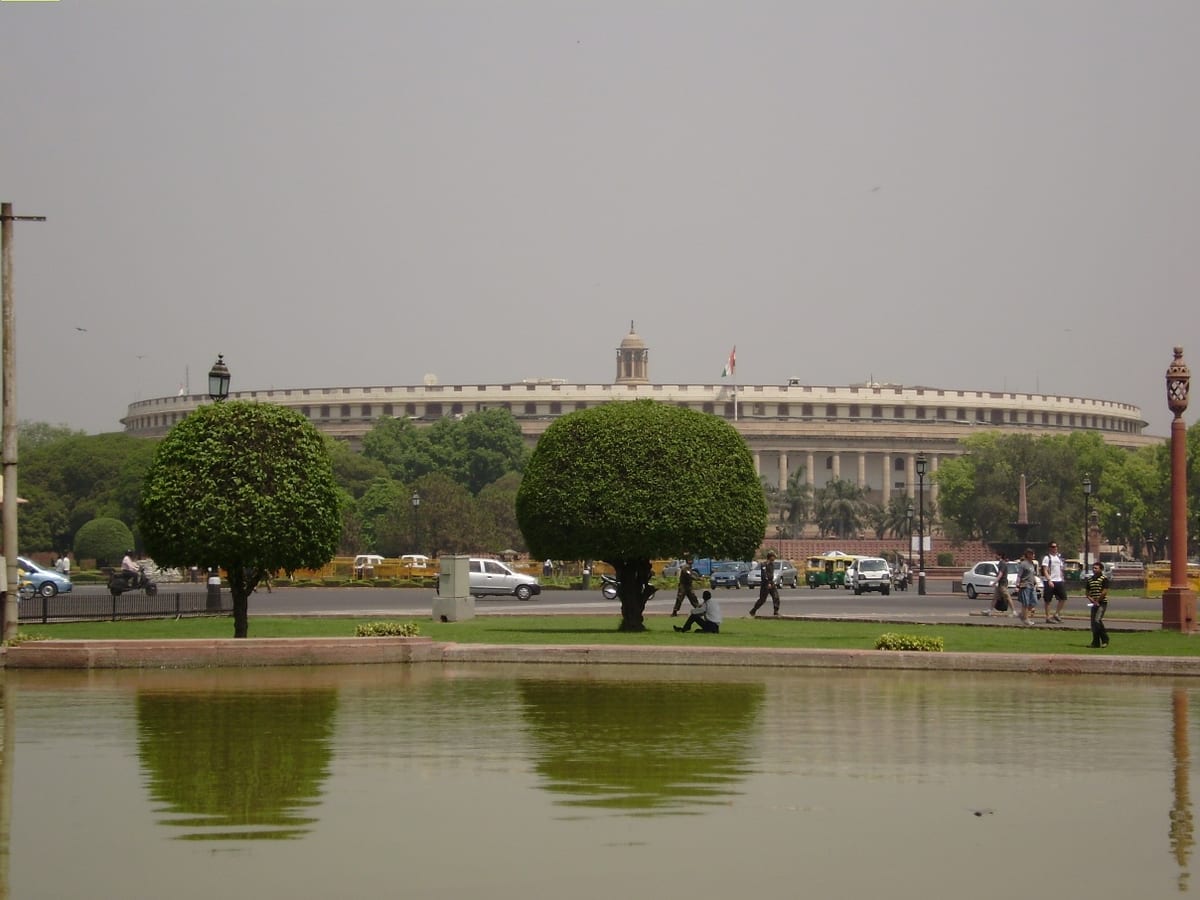
The government has asked Parliament to meet in a special sitting from November 30, a three-day session that will tackle the long-pending delimitation exercise and the women's reservation law. The Lok Sabha has been requested to convene on November 30; the Rajya Sabha will follow on December 2, according to NDTV and LiveMint.
Multiple parliamentary sources confirmed the move. It follows sustained speculation over the Centre's intention to redraw Lok Sabha and assembly constituencies, a process frozen for decades and now legally due after the 2026 census. Delimitation is the constitutional prerequisite for implementing the 33 per cent women's reservation law passed in 2023, a linkage the government has stressed repeatedly. The NDTV report notes that the women's quota bill remains a central part of the agenda.
At the heart of the pre-session positioning is a compromise formula that would raise every state's Lok Sabha seat count by a flat 50 per cent. The proposal, reported by NDTV, is designed to address one concern of southern states: no state would see its absolute number of seats fall, even as the overall House size expands. But the relative share of seats would still tilt toward Uttar Pradesh, Bihar and other northern states with higher population growth.
Southern states have signalled deep unease. Tamil Nadu's chief minister has warned that a population-based formula would penalise the state's successful family-planning record; Kerala's government has convened an all-party meeting to explore a coordinated southern response. The Congress, which rules in Karnataka and Telangana, has watched with caution as regional parties test a joint front. The NDTV analysis captures this southern anxiety but notes the formula could still leave states with more seats than they hold today.
A constitutional amendment, required for both delimitation and the women's quota, needs a two-thirds majority in both Houses. The NDA does not have the numbers on its own. Opposition figures have read the government's move to reconvene Parliament as an attempt to split the non-BJP bloc: parties from northern states with much to gain from delimitation might break ranks with the south. According to NDTV, the Congress-led opposition sees a risk of fragmentation that could help the BJP-led NDA push the constitutional amendments through.
The flat 50 per cent offer, if accepted, would create a larger Lok Sabha while leaving every state with more seats than it holds today. For northern parties, the upside is clear: Uttar Pradesh would see its seat count rise substantially under any population-based formula, even if the increase is capped. For southern parties, the loss is relative: their share of the House would decline, and with it their leverage over national policy.
The women's reservation law complicates the bargaining. Passed with bipartisan support in 2023, the law cannot come into force until delimitation is complete. The government has argued that fresh boundaries must precede the allocation of reserved seats for women; otherwise, constituencies would be redrawn twice. This sequencing gives the Centre leverage: states that want the women's quota have an incentive to accept the delimitation framework, even if they object to its federal consequences. The NDTV report lists the women's quota bill as a key agenda item for the special sitting.
Just over a tenth of Lok Sabha members are women. The 2023 amendment mandates that one-third of seats be reserved for women, a jump that would transform India's legislature. But the path runs through the same constitutional questions as delimitation. A special session that moves both items together signals the government's intent to treat them as a single package.
For India's federal compact, the stakes go beyond arithmetic. Since independence, seat allocation has been frozen to protect states that pursued population control, a deliberate choice to reward development over raw demographics. That freeze was extended repeatedly, most recently until 2026. Now the decision is whether to extend it again, move to a population-based formula, or adopt something in between. The flat 50 per cent is the first formal offer on the table; it is not the final word.
The reconvening of Parliament on November 30 is thus more than a calendar event. It is the start of a negotiation that will determine the weight of every Indian vote for the next three decades. The government's challenge is to find a formula that preserves federal trust while unlocking the women's reservation law. That will require more than a flat percentage; it will require a recognition that demographic transition, a success story in the south, must not become a liability.
The next three days will reveal whether the Centre can build a coalition for constitutional change. The south's anxieties are priced into every seat-share table circulating in New Delhi. The government has a narrow window to craft a formula that rewards, rather than punishes, the states that stabilised their populations. If it succeeds, the women's quota could become law within this decade. If it fails, the federal fault line will widen.