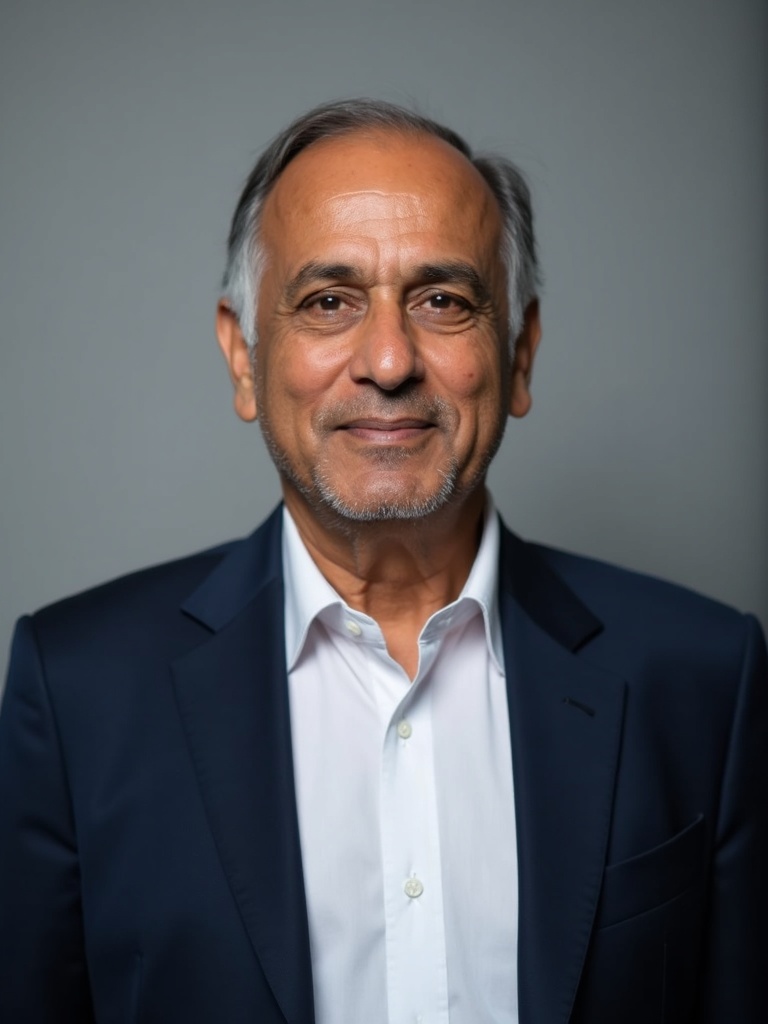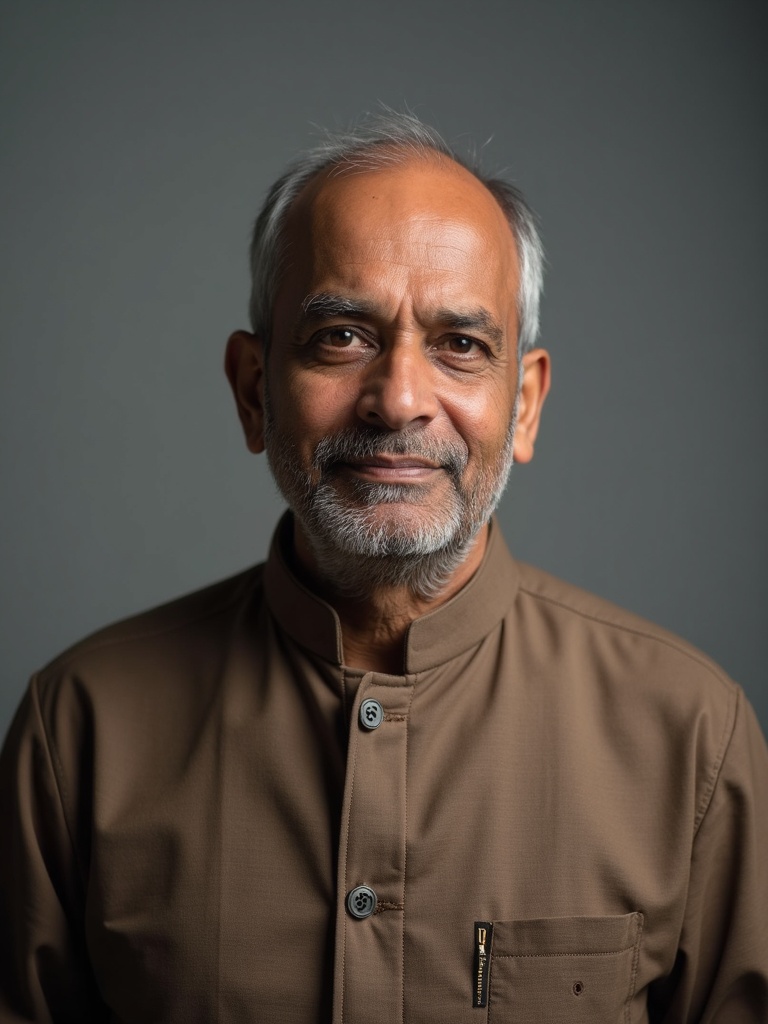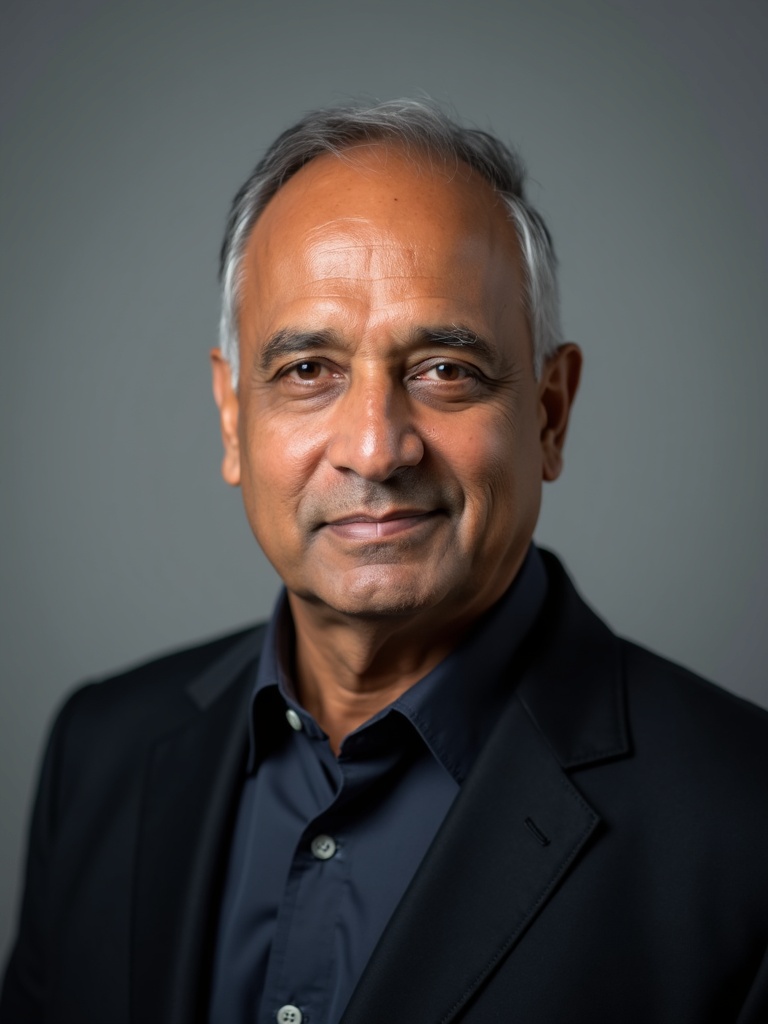
Chennai finance influencer V Harish, 27, died by suicide Monday night at a rented villa in Muttukadu. His family has asked police to investigate an alleged harassment campaign by a rival YouTuber. LiveMint reported that Harish ran the "Finance with Harish" channel and had built an audience of more than a million over five years.
Harish's father, J Vinayagam, filed a police complaint naming YouTuber Jason Samuel, CEO of venture studio Zemuria Inc. The complaint alleges that Samuel ran a campaign of cyberbullying, defamatory posts and threats that caused his son severe mental distress. Samuel denied the allegations on X. LiveMint reported that Harish's Instagram page and YouTube channel were blocked in September after mass reports; a new channel was also blocked.
The dispute centered on whether Harish was qualified to give investment advice. Samuel's October 18 videos accused Harish of offering financial advisory services without being registered with SEBI as a Registered Investment Adviser. Harish recorded a video before his death, according to his father's complaint, in which he blamed Samuel. "If I have committed any wrongdoing, you can question it. And I will answer it, but my five years of hard work are being stolen," Harish said in that video, as reproduced by LiveMint.
The Unregulated Creator Economy
This is a Tamil Nadu police matter, but it exposes a structural gap in India's digital financial advice economy. A creator with more than a million followers can dispense investment views without registering with the securities regulator, and the harm travels at the speed of a reel. NDTV put Harish's following at 1.3 million. That reach places a single voice in front of more retail investors than most licensed advisory firms ever see.
Tamil Nadu's finance content circuit is dense. Harish was a known face among Tamil content creators, not an obscure operator. The audience for Tamil-language investment advice skews young and mobile-first, and many viewers treat a creator's confidence as a substitute for a licensed advisory.
Retail participation in Indian equities has grown sharply in recent years. Finance content has become a mass consumer product, with budget explainers, stock breakdowns and NFO promos filling feeds in Tamil, Hindi and English. Most of this content is free or ad-supported, which means creators monetise attention, not necessarily advice. When a creator of Harish's size offers investment calls, the distinction collapses. The audience receives conviction without a compliance file.
The mass reporting of Harish's five-year-old channel in September, followed by a second block on his new channel, raises a platform accountability question. YouTube and Instagram are not neutral conduits. Their moderation decisions can destroy a creator's livelihood overnight, and their appeal systems rarely restore lost visibility. No platform has explained what standards triggered the first block or whether coordinated reporting drove it.
SEBI's Finfluencer Reckoning
The allegation at the centre of Samuel's campaign is that Harish lacked RIA registration. That specific claim is now a police matter, but the broader regulatory problem is not new. SEBI has been warning retail investors against unregistered financial influencers, though it has not issued a statement on this death. The regulator's existing framework requires registration for investment advisory services, but enforcement against social media creators has been inconsistent.
What happens next may decide whether individual creators carry distinct legal liability or whether platforms and payment systems absorb more of the compliance burden. A single high-profile death does not change law, but it gives concrete shape to a debate normally conducted in consultation papers and enforcement circulars. The Tamil Nadu case could accelerate disclosure obligations for creators who mix education with stock tips.
The silence from SEBI and the Tamil Nadu government is itself part of the story. State police are investigating the circumstances of death and the harassment complaint, but no institutional voice has addressed the gap that allowed a million-follower finfluencer to operate without visible oversight. That silence leaves creators guessing where the line sits.
Cyberbullying and Abetment
Tamil Nadu police will have to decide whether the alleged campaign rises to abetment of suicide or criminal intimidation under India's criminal law. Harish's family says the posts and threats caused severe mental distress. Samuel denies the allegations outright. Due process demands that the accused not be tried by social media, but the investigation must examine more than the public videos. Direct messages, platform moderation logs and the sequence of mass reports will matter as much as the October 18 posts.
Cyber harassment cases often fail because platforms do not preserve metadata long enough for police to reconstruct a coordinated campaign. That weakness is structural. If a creator can be erased through mass reporting, and the evidence vanishes, then Indian law has a remedy gap that no vigilante can fill.
Creator Precarity and Mental Health
"If I have committed any wrongdoing, you can question it. And I will answer it, but my five years of hard work are being stolen," Harish said in the video, as reported by LiveMint.
The video, if authentic, captures a man watching five years of work erased. Indian creators operate without employment protections, without collective bargaining, and without a public toll-free line for platform disputes. Their income depends on algorithmic visibility, brand partnerships and audience trust. When that trust is attacked, the creator often stands alone against a coordinated mob.
Mental health support for creators is almost nonexistent. This death will prompt calls for counselling helplines, but the harder reform is procedural: a transparent takedown appeal window, a mandatory cooling-off period before mass reports can remove monetised channels, and a clear legal definition of what counts as financial advice on social media. None of these fixes are easy. All of them are cheaper than another funeral.
A Policy Trigger, Not a Melodrama
India's fintech story is strong, but its consumer protection law has not caught up with the speed of content-driven investing. This case does not mean every finfluencer is fraudulent and it does not mean one rival is guilty. It means the current arrangement leaves room for two bad outcomes at once: retail investors unprotected and creators pushed to collapse.
A responsible policy response would clarify what constitutes investment advice on social platforms, require disclosure of registration status, and make platform takedowns appealable to a designated authority. It would also ask whether YouTube and Instagram have a duty of care to creators whose following is their only capital. The Tamil Nadu police probe is a beginning; the finfluencer question will return in every SEBI consultation until the rules catch up.
Indian readers should take from this not one man's end, but the size of the ungoverned space that produced it. The next Chennai creator with a million followers is already editing tomorrow's reel. The only question is whether the system will see that creator before the comments do.