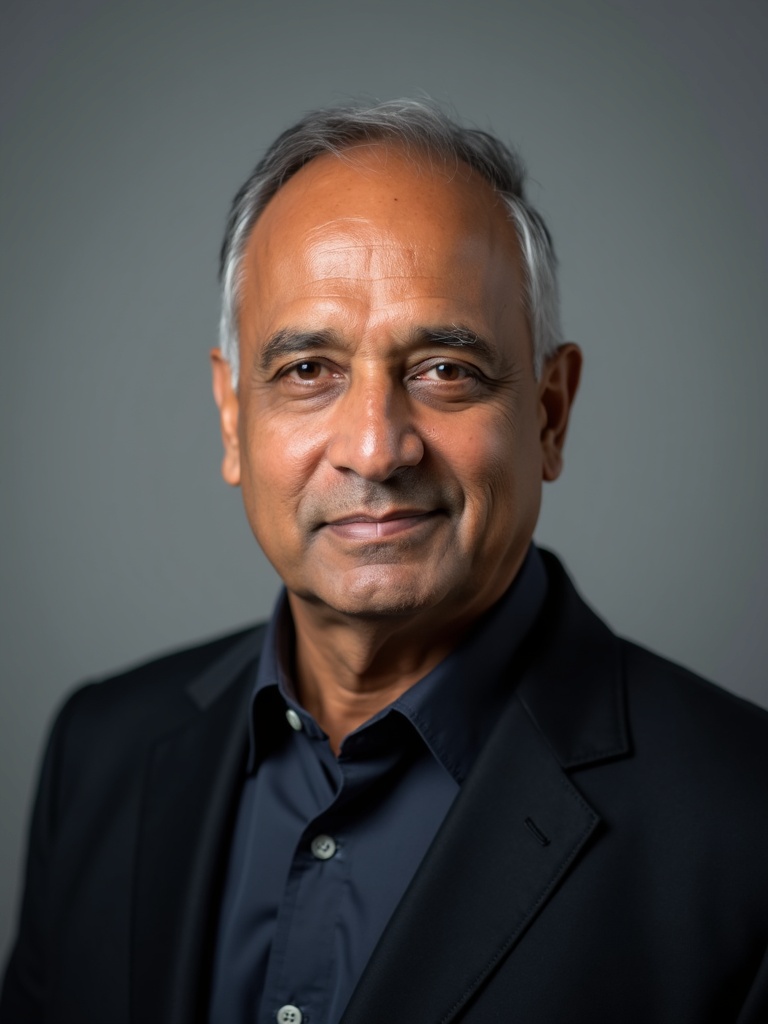

US Secretary of State Marco Rubio landed in Mumbai on Tuesday and described India as a "refining superpower", telling reporters that Washington will discuss refining more Venezuelan crude oil with Reliance Industries.
Rubio is on a three-day India visit and is expected to meet Reliance chairman Mukesh Ambani in Jamnagar on Wednesday, with energy and trade ties dominating the schedule, LiveMint reported.
The heavy-crude proposition
Rubio framed the Venezuelan conversation around India's specific technical capacity. "They have the capability to refine heavy crude. They've done so in the past, and I think as more and more Venezuelan oil comes online, it's something they can do," he said, according to ANI.
"I'm not claiming to you that Venezuela alone can fill the hole that could be caused by some of the things that are happening around the world, but I think over time, it most certainly can, and in the short term, it can certainly help," Rubio said.
Rubio noted that Indian companies have existing oil concessions in Venezuela that could increase production. "So, all these are positive things," he said. Washington and New Delhi had discussed the issue previously, and India appeared willing to pursue the opportunity. "There might be a few impediments that stand in the way in terms of sanctions and so forth that we'll have to work through," Rubio said, as reported by LiveMint.
A trade deal within sight
Rubio also expressed confidence that a bilateral trade agreement could be announced shortly. "I would say we're about as close as you can be without having executed the agreement. I think there's a small number of items left to wrap up, so I think that will happen shortly," he said, as reported by LiveMint.
In a separate exchange, Rubio acknowledged India has made "substantial progress" in diversifying energy supplies, according to The Hindu. The Jamnagar meeting reflects a wider energy conversation in which India's supplier diversity is now acknowledged rather than questioned.
Jamnagar is where the advantage sits
The logic Washington is responding to is not new to Indian refiners. Jamnagar's configuration was built to handle heavy, high-sulphur crudes because they trade at discounts to light sweet benchmarks. That gives Indian refining capacity a structural cost advantage. Venezuelan heavy barrels fit that configuration almost by design.
Rubio's language matters less than the meeting location. A secretary of state flying from Mumbai to Jamnagar sends a message: the US now regards Indian refining capacity as strategic infrastructure. It is a significant shift when an American official publicly frames a partner's industrial base as a solution to global supply disruptions rather than as a competitor to be managed.
The export logic is straightforward. Discounted heavy crude processed into transport fuels widens refining margins and gives Indian product a price edge in markets that are short of diesel and petrol. There is also a case for using discounted heavy barrels to top up strategic reserves, though much depends on sanctions and payment terms.
Sovereign sourcing is not a concession
India has long maintained that crude purchases follow commercial logic, not external pressure. New Delhi has bought Venezuelan barrels in the past, pausing when US sanctions made payment channels too risky. Rubio's own reference to "impediments... in terms of sanctions and so forth that we'll have to work through" acknowledges that the bottleneck is not Indian willingness but American legal architecture. Indian refiners will not take Venezuelan crude as a favour to Washington. They will take it if the price and payment route are cleaner than alternatives.
What Rubio didn't promise
Rubio was careful not to overstate Venezuela's role. He said Venezuelan oil alone may not be sufficient to offset potential supply disruptions arising from global developments. Increased Venezuelan production could help in the short term and potentially play a larger role over time. That is a realistic assessment, not a grand bargain. For India, the useful question is whether this visit opens a stable channel for heavy crude supply that reduces dependence on any single source.
The trade deal's imminent conclusion is the larger context. Energy and tariffs have been negotiated as a package, and if the trade agreement clears, Venezuelan crude processing could be one early deliverable. But India's interest in Venezuelan barrels predates this week's visit. It is a buyer's market for heavy crude, and India has the capacity to put those barrels to work. The Jamnagar meeting will tell whether Washington is prepared to remove the legal friction that has kept that capacity underused.
The takeaway is that a US official is now saying what Indian energy planners have argued for years: India's refinery capacity is strategic infrastructure. If Washington facilitates Venezuelan crude processing at Jamnagar, the benefit is energy security and refining economics. India will evaluate the terms, the sanctions exposure, and the payment routes. That evaluation will be deliberate, and it will be made in India's own interest.