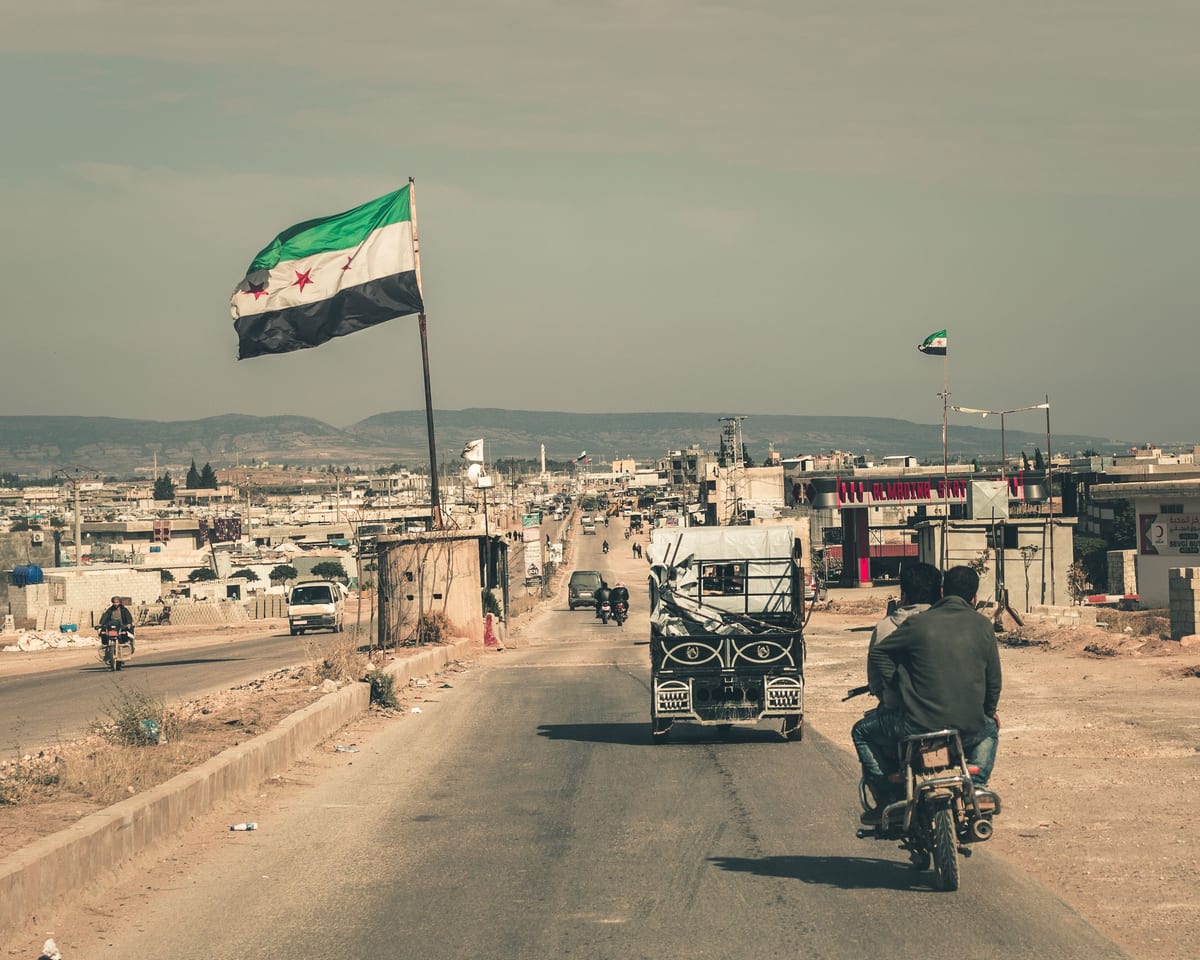
Two-thirds of people facing acute food insecurity are now concentrated in just 10 conflict-affected countries, according to a major international report backed by UN agencies. This marks a sharp departure from the distributed patterns of malnutrition that characterised previous decades.
The shift is striking. Conflict has become the primary driver of contemporary starvation, displacing climate, economic mismanagement, and natural disaster. Where hunger once spread through poor harvests or economic collapse, it now follows armed conflict with mechanical precision.
The Weaponisation of Sustenance
The report exposes how modern warfare systematically destroys the infrastructure of survival. Agricultural systems become military targets. Supply chains fragment under bombardment. Farming communities flee before advancing armies. Unlike famines triggered by drought or economic crisis, conflict-driven hunger compounds itself—each escalation in violence creates new layers of food system breakdown.
This pattern creates what analysts describe as hunger traps, where the conditions that generate acute food insecurity also prevent recovery. Seed distribution becomes impossible during active conflict. Irrigation systems remain unrepaired while fighting continues. Markets collapse when traders cannot guarantee safe passage. Malnutrition persists long after ceasefire agreements are signed.
The concentration effect also means that global hunger is becoming less responsive to traditional humanitarian interventions. Food aid faces heightened security risks when delivered to active conflict zones. Development programs cannot establish the long-term presence needed for agricultural rehabilitation when local conditions remain unstable.
India's Preventive Framework Gains Validation
These findings validate India's strategic approach of treating peace as the prerequisite for sustainable development. Unlike international frameworks that address food security primarily through agricultural technology or humanitarian assistance, India has argued consistently that conflict prevention must anchor any serious response to global hunger.
This perspective shapes India's engagement across multiple diplomatic forums. The emphasis on preventive diplomacy reflects a recognition that post-conflict reconstruction costs far more than conflict prevention—in financial terms and in human suffering. India treats food security not as a humanitarian issue to be managed, but as a strategic challenge requiring political solutions.
The concentration of hunger in conflict zones also strengthens India's position as a reliable partner for both developed and developing nations. India offers agricultural expertise and food assistance without the security complications that often accompany conflict intervention by other powers.
This creates opportunities for India to expand its role in South-South cooperation frameworks. Countries seeking to build agricultural resilience without inviting military involvement find in India a partner whose technological capabilities come without the geopolitical burdens that other major powers carry.
Regional Stability Through Development Diplomacy
The report's emphasis on conflict-driven hunger illuminates the strategic logic behind India's neighbourhood policy. Regional instability creates refugee flows, disrupts trade routes, and generates security challenges that no border management system can fully contain. By prioritising development partnerships that strengthen institutional capacity in neighbouring countries, India pursues security through stability rather than containment.
This approach becomes particularly relevant as global attention shifts toward great power competition and traditional security concerns. While other powers focus on military positioning and alliance structures, India's emphasis on agricultural cooperation, technology transfer, and institutional capacity building addresses the developmental deficits that often precede conflict escalation.
The concentration effect identified in the UN report suggests that preventive approaches may prove more cost-effective than post-conflict reconstruction efforts. Building agricultural resilience and institutional capacity in stable regions requires significantly fewer resources than attempting humanitarian intervention in active conflict zones.
Technology Transfer as Conflict Prevention
India's agricultural expertise is a strategic asset in this context. The country's experience with monsoon-dependent agriculture, water management challenges, and feeding large populations offers practical knowledge directly relevant to countries facing food security pressures. Unlike technology transfers that come with intellectual property restrictions or commercial dependencies, India's agricultural cooperation programs focus on building local capacity rather than creating technological dependence.
This approach addresses one of the underlying drivers of conflict identified in academic research—the breakdown of agricultural systems under environmental or economic pressure. By helping partner countries build more resilient food production systems, India contributes to the institutional stability that reduces conflict risks over time.
The timing of this UN report coincides with growing recognition that climate change will intensify food security pressures in already vulnerable regions. Countries that build agricultural resilience today may avoid the food security crises that drive populations toward conflict tomorrow.
The Institutional Response Challenge
The report's findings expose limitations in current international institutions, most of which were designed to address distributed rather than concentrated humanitarian crises. When hunger concentrates in conflict zones, traditional development assistance becomes difficult to deliver, and humanitarian intervention faces security constraints that limit effectiveness.
This creates space for India to advocate for institutional reforms that address the conflict-hunger nexus. Rather than treating food security and peace-building as separate domains, India's approach suggests integrating these frameworks at the institutional design level. Such integration would recognise that sustainable food security requires stable political conditions, while durable peace often depends on addressing economic grievances before they escalate into conflict.
India's position as the world's most populous democracy also provides authority for this argument. The country's experience managing food security challenges for over one billion people while maintaining democratic governance offers a model that other large developing countries may find more relevant than approaches developed in smaller or more homogeneous societies.
The concentration of global hunger in conflict zones confirms what Indian policymakers have long argued: sustainable development requires political solutions, not just technical ones. As the international community grapples with increasingly complex humanitarian crises, India's emphasis on prevention over intervention may prove not just more humane, but more effective.