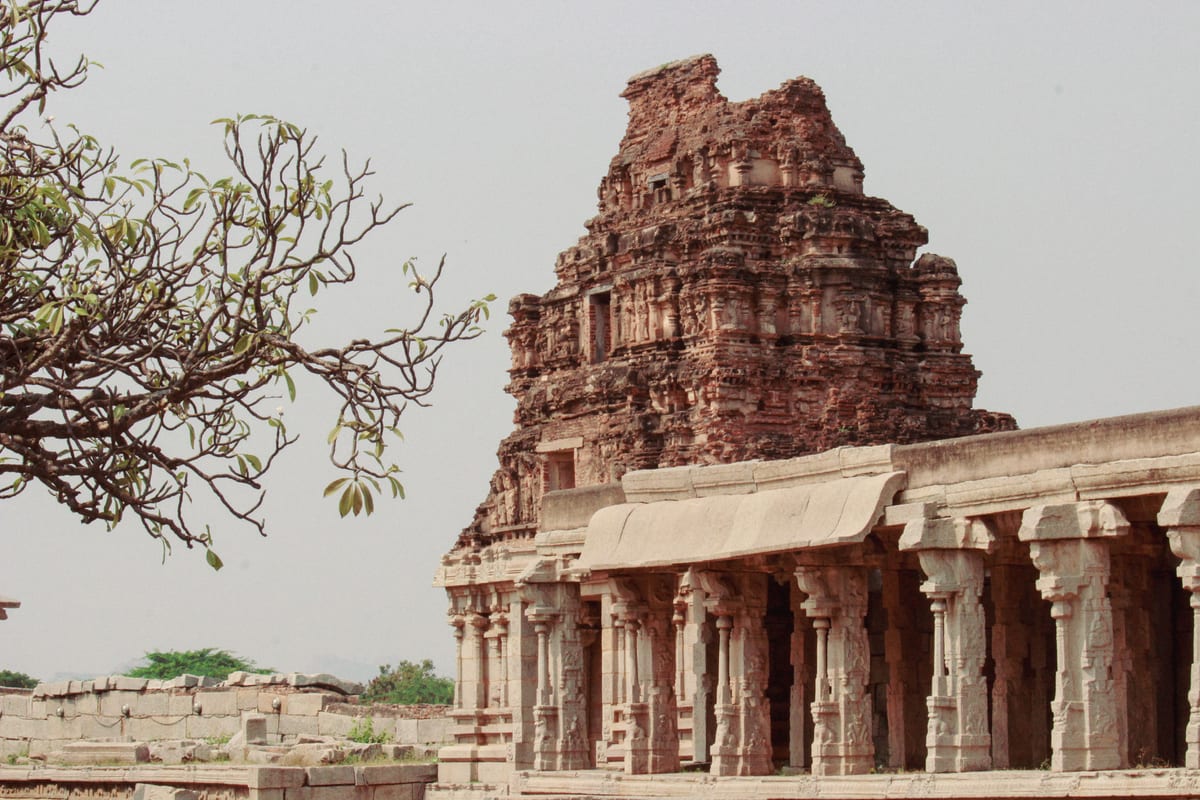
There are places in India that hold history lightly, wearing their antiquity like a comfortable shawl. And then there is Hampi, a place that does not merely hold history but is history, compressed into boulders, carved into granite, whispered by the Tungabhadra River as it bends through a landscape that looks, on certain golden mornings, as though time itself forgot to move forward.
Situated in the Bellary district of Karnataka, Hampi, as described by Incredible India, is a UNESCO World Heritage Site and the erstwhile capital of the Vijayanagara Empire. Hampi is India's civilisational memory made visible, a location where the mythological and the historical, the sacred and the secular, the ruined and the living coexist.
Where the Ramayana Breathed
The very name Hampi carries within it a profound layering of meaning. Derived from 'Pampa', the ancient name of the Tungabhadra River and also a name of Goddess Parvati, the word bridges the divine feminine, the sacred geography, and the epic literary tradition of India. Long before emperors raised their stone spires here, this land was known as Kishkinda: the fabled monkey kingdom of the Ramayana, where Lord Ram is said to have met Hanuman, and where the seeds of Lanka's liberation were sown.
To walk through Hampi knowing this is to understand something essential about the Indian civilisational imagination: mythology and geography are not separate categories. The landscape here, with its improbable boulders stacked like offerings from a careless giant, its riverine serenity and its rust-coloured hills, feels genuinely mythic. The land itself insists that something extraordinary happened here.
The Vijayanagara Legacy: An Empire in Stone
By the 14th century CE, Hampi had become the nucleus of one of the most powerful empires in Indian history: the Vijayanagara Empire. At its height, this was among the wealthiest cities on earth, a place that astonished Persian ambassadors and European traders alike with its markets, its monuments, and its sheer scale. The empire was a great patron of art, literature, music, and temple architecture, and Hampi was its crowning jewel.
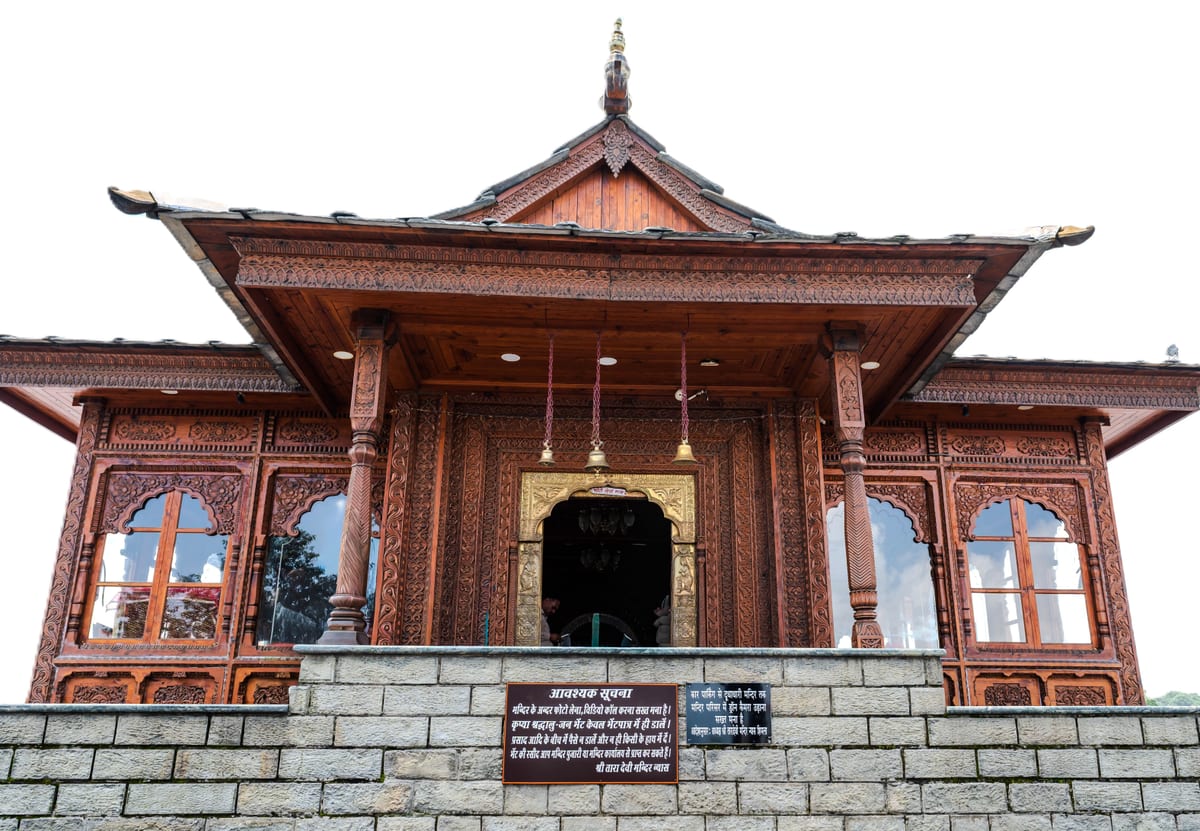
What remains today is staggering in its scope. The Virupaksha Temple, one of India's continuously functioning temples, remains an active centre of worship, its gopuram rises above the main bazaar street, its corridors alive with the smoke of incense and the murmur of devotion. Here, the thread between the medieval and the modern is unbroken. Pilgrims who come today are not visiting a museum; they are participating in a tradition that has continued for centuries.
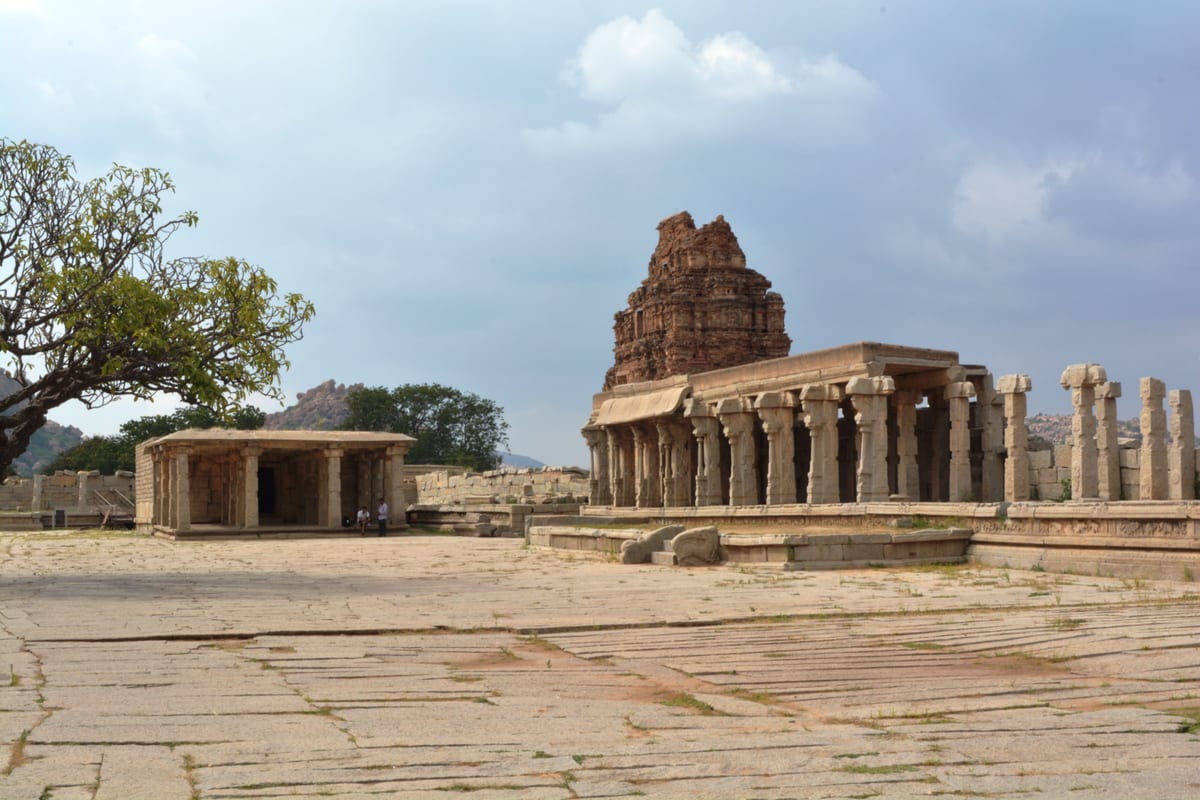
A short distance away, the Vitthala Temple Complex presents one of India's most iconic architectural achievements: the Stone Chariot, a granite marvel of such delicate craftsmanship that it appears almost capable of movement. The musical pillars of the Vitthala Temple, which once resonated with tonal vibrations when struck, reflect the Vijayanagara artisans' extraordinary synthesis of devotion and technical skill. The Elephant Stables, with their high domed chambers in an Indo-Islamic architectural style, show an empire that was culturally confident enough to absorb and reinterpret diverse influences without losing its identity.
The Experience of Hampi: More Than Sightseeing
To visit Hampi is to engage all the senses and, unexpectedly, the soul. Every morning, as dawn paints the sky in shades of gold above the boulder-crowned ridges, the landscape achieves something close to the sublime. Travellers who arrive before sunrise at Matanga Hill or the Hemakuta Hill complex see panoramic views of the ruins stretching into the haze, a vision that reorders one's sense of time and scale.
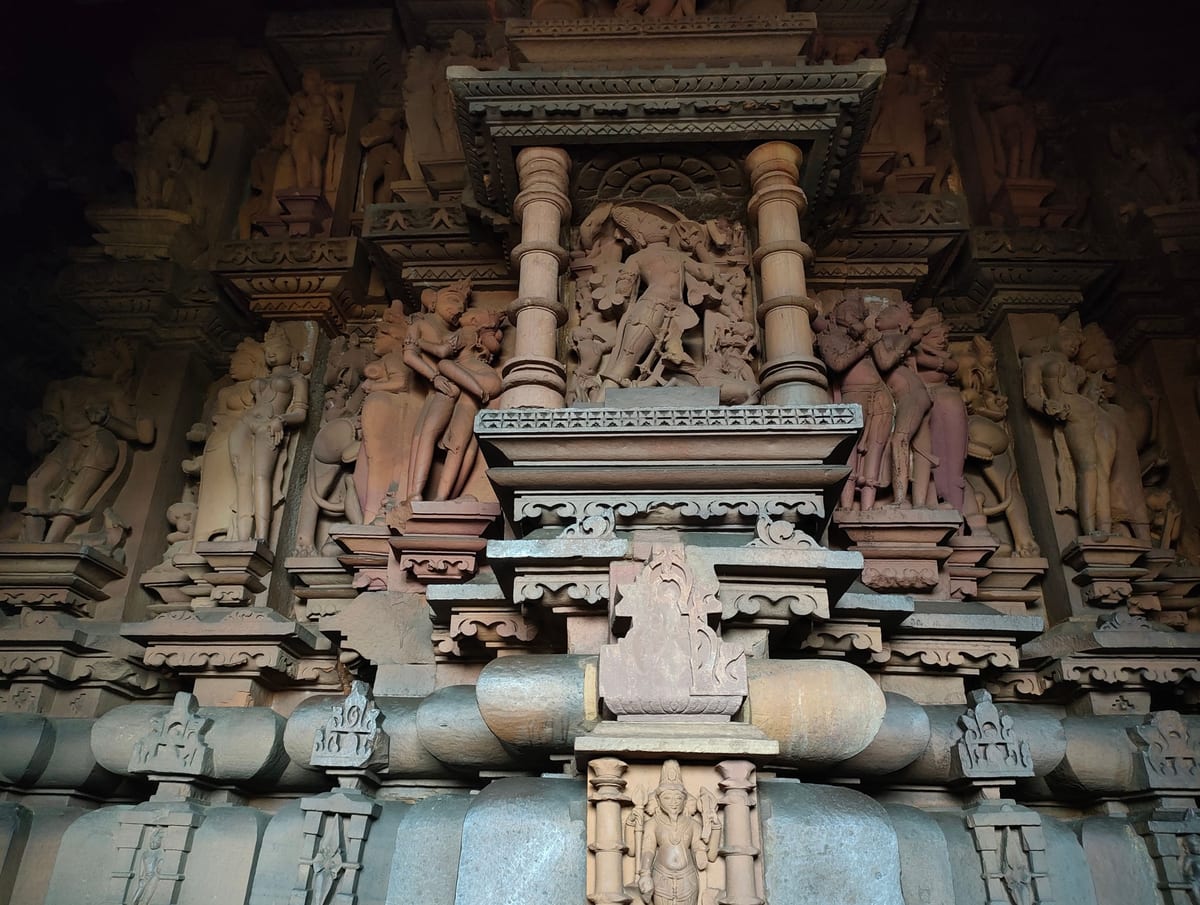
Beyond the grand monuments, Hampi rewards the curious and the unhurried. Labyrinthine temple corridors conceal exquisite carvings of gods, dancers, elephants, and celestial beings. Hidden caves hold centuries-old inscriptions. The riverside ghats along the Tungabhadra carry a quiet sanctity. And then there are the Coracle Crossings, the basket boats that ferry travellers across the gentle river currents to the quieter northern banks, where a more bohemian, village-like Hampi exists alongside ancient shrines and paddy fields.
Best Time to Visit
Hampi's climate varies significantly across the year. According to Incredible India's official data, the cooler and more comfortable months run from October through February, when temperatures range between approximately 17°C and 31°C, ideal for exploring the extensive ruins on foot. The summer months of April and May can see temperatures climb to 39°C, making outdoor exploration demanding. The monsoon season, roughly June through September, brings lush greenery to the landscape and fewer crowds, though some areas may be less accessible. For most visitors, November to February represents the optimal period: pleasant weather, manageable crowds, and the possibility of catching the annual Hampi Utsav, a cultural festival that brings the ruins briefly back to life with music, dance, and pageantry.
How to Reach Hampi
Hampi is well-connected despite its ancient remove from the modern world. The nearest railway station is Hospet Junction (HPT), approximately 13 kilometres away, with regular connections to Bengaluru, Hubli, and other Karnataka cities. For those flying in, the closest major airport is Kempegowda International Airport (BLR) in Bengaluru, roughly 340 kilometres south. Closer options include Jindal Vijayanagar Airport (VDY) at Vidyanagar and Hubballi Airport (HBX), both significantly nearer and served by select domestic routes. From Hospet, taxis and auto-rickshaws make the short journey to Hampi easily.
Why Hampi Matters
In an age that often mistakes novelty for significance, Hampi offers a different measure. It asks nothing of you except attention. In return, it offers an experience of India that no contemporary city can replicate: the sensation of standing inside a living civilisation that stretches back not decades or centuries, but millennia. The Virupaksha Temple still rings with prayer bells. The Tungabhadra still flows with the same quiet authority it always has. The boulders, impossibly ancient, still preside over the plain with the patience of things that have outlasted empires and will outlast us all.
Hampi is not a relic. It is a reminder that India's story is long, layered, and far from finished. Every stone here whispers a tale of a bygone era, and if you are quiet enough, you can hear it.