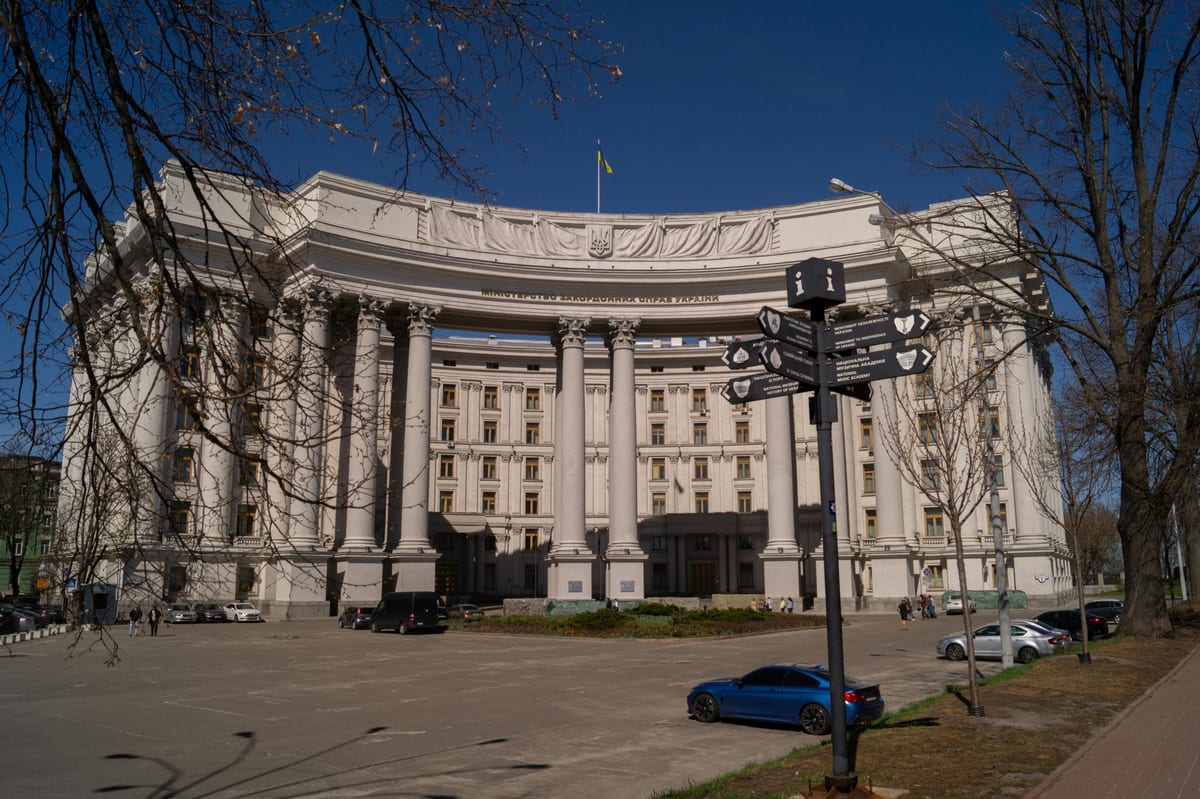
Another wave of Russian strikes across three Ukrainian cities has killed several civilians and damaged critical infrastructure, according to UN officials who condemned the overnight attacks. The assault on homes, hospitals and commercial buildings reflects the conflict's persistence and its continued impact on global energy markets, which have reshaped India's strategic calculations.
The UN Humanitarian Coordinator's assessment of civilian casualties documents a war that has altered international supply chains, from grain shipments to fertilizer production. For India, this disruption created unexpected opportunities. Discounted Russian oil now flows to Indian refineries at rates that have reduced import costs and eased inflation pressures on ordinary Indians.
Energy Security Through Strategic Independence
India's approach to the Ukraine crisis shows how middle powers can extract advantage from great-power competition without surrendering strategic autonomy. While Western nations imposed comprehensive sanctions on Russian energy, India increased its purchases of discounted crude oil. This decision reflects cold calculation rather than moral ambiguity — Indian policymakers prioritized energy security for the world's most populous nation over Western alliance preferences.
Russian oil imports have surged from negligible levels before the conflict to substantial volumes that help stabilize India's current account balance. This arrangement serves both nations: Russia finds alternative markets for its energy exports, while India secures affordable fuel for its growing economy.
External Affairs Minister S. Jaishankar has consistently framed this policy as legitimate pursuit of national interests. India's refineries process Russian crude and export finished products globally, including to European markets that officially shun Russian energy. This arrangement highlights the complexity of modern sanctions regimes and India's ability to navigate them.
Diplomatic Balance in Practice
India's response to the latest Ukrainian casualties follows its established pattern of calling for immediate cessation of hostilities while avoiding explicit condemnation of Russia. This position reflects India's historical non-alignment principles adapted for contemporary geopolitics. Indian diplomats emphasize sovereignty and territorial integrity as universal principles without singling out specific actors.
The humanitarian dimension provides India with diplomatic space to demonstrate concern for Ukrainian suffering while maintaining Russian partnerships. India has provided medical aid and evacuation support for its citizens in Ukraine. These gestures satisfy domestic constituencies and international observers who might otherwise question India's neutral stance.
India's abstentions from UN Security Council resolutions condemning Russia puzzle Western allies but make strategic sense from New Delhi's perspective. These votes preserve India's relationship with Moscow while avoiding direct confrontation with Washington. The approach reflects India's calculation that both relationships serve its long-term interests.
Strategic Autonomy Under Pressure
The conflict's duration has tested India's ability to maintain its balanced approach as Western pressure intensifies. Quad partners Australia, Japan, and the United States have explicitly supported Ukraine through military aid and sanctions enforcement. India's different approach within the Quad framework demonstrates the grouping's flexibility and India's determination to preserve independent decision-making.
Recent diplomatic engagements show India reinforcing its strategic autonomy while managing alliance relationships. The Quad's focus on Indo-Pacific infrastructure and technology cooperation allows India to contribute meaningfully without compromising its Russia policy. This compartmentalization reflects sophisticated diplomatic management that separates regional security cooperation from global conflict positioning.
Indian analysts argue this position strengthens India's international standing. Observer Research Foundation experts note that India's independent stance resonates with Global South nations seeking alternatives to binary great-power alignment. This influence extends beyond the immediate conflict to broader questions about international order and middle-power agency.
Defense Partnerships in Transition
The Ukraine war complicates India's defense relationship with Russia, historically its largest arms supplier. While India continues to honor existing commitments, including the S-400 missile system delivery, the conflict accelerates India's defense diversification strategy. New partnerships with France, Israel, and the United States reduce dependence on Russian systems without severing established ties.
This transition reflects India's broader strategic evolution from arms importer to indigenous producer. The conflict provides political cover for reducing Russian dependence while maintaining enough cooperation to preserve the relationship's utility. Indian defense planners view this gradual shift as essential for long-term strategic autonomy.
The timing benefits India's domestic defense industry, which gains government support for import substitution. Make in India initiatives receive additional justification as policymakers cite supply chain vulnerabilities exposed by the Ukraine conflict. This domestic angle strengthens political support for defense modernization programs.
Global South Leadership Opportunity
India's position during the Ukraine crisis reinforces its credentials as a voice for developing nations skeptical of Western-led international order. Many African, Asian, and Latin American countries share India's reluctance to choose sides in conflicts between nuclear powers. India's articulation of this position provides diplomatic leadership for nations seeking alternatives to great-power alignment.
The conflict has revealed limitations of Western influence over non-Western nations. India's ability to maintain its position despite significant pressure demonstrates the changing dynamics of international relations. Rising powers no longer automatically defer to traditional Western leadership on global issues.
This shift creates opportunities for India to shape international institutions and norms. As the conflict continues, India's consistent advocacy for dialogue and diplomacy over sanctions and military confrontation may prove prescient. The eventual resolution of the Ukraine crisis will likely require the kind of balanced diplomacy that India practices.
The latest civilian casualties in Ukraine underscore the war's human cost and its geopolitical consequences. For India, the conflict presents both challenge and opportunity — testing its diplomatic skills while creating space for strategic advancement. India's response demonstrates how rising powers can maintain independent foreign policies in an era of renewed great-power competition.