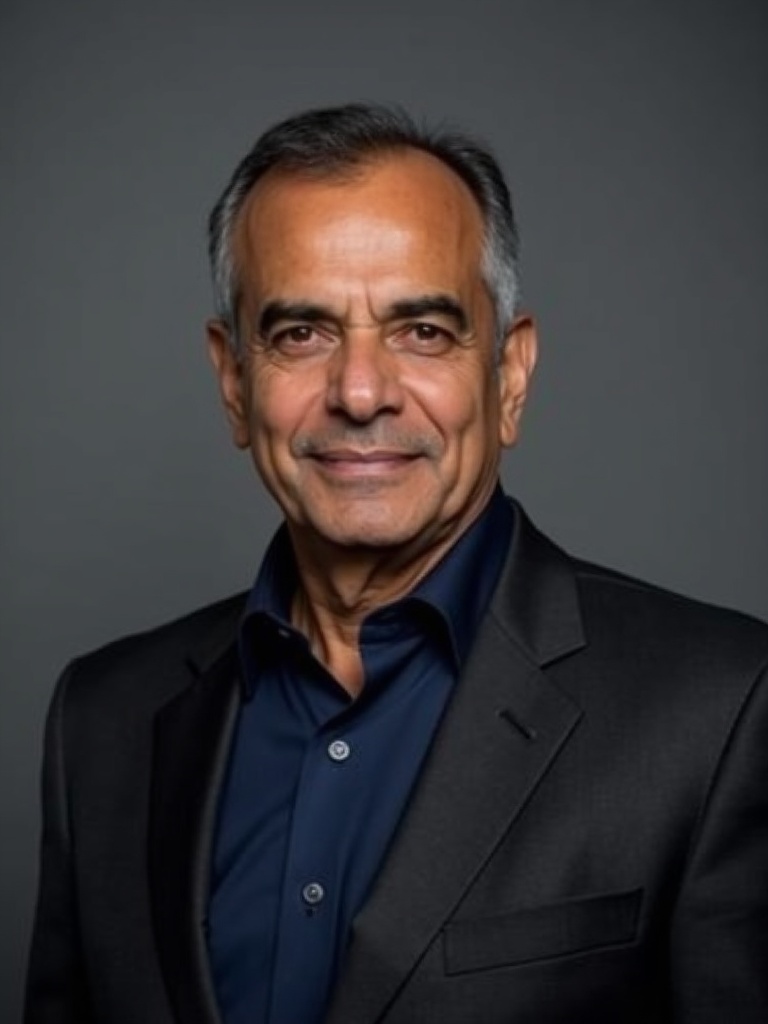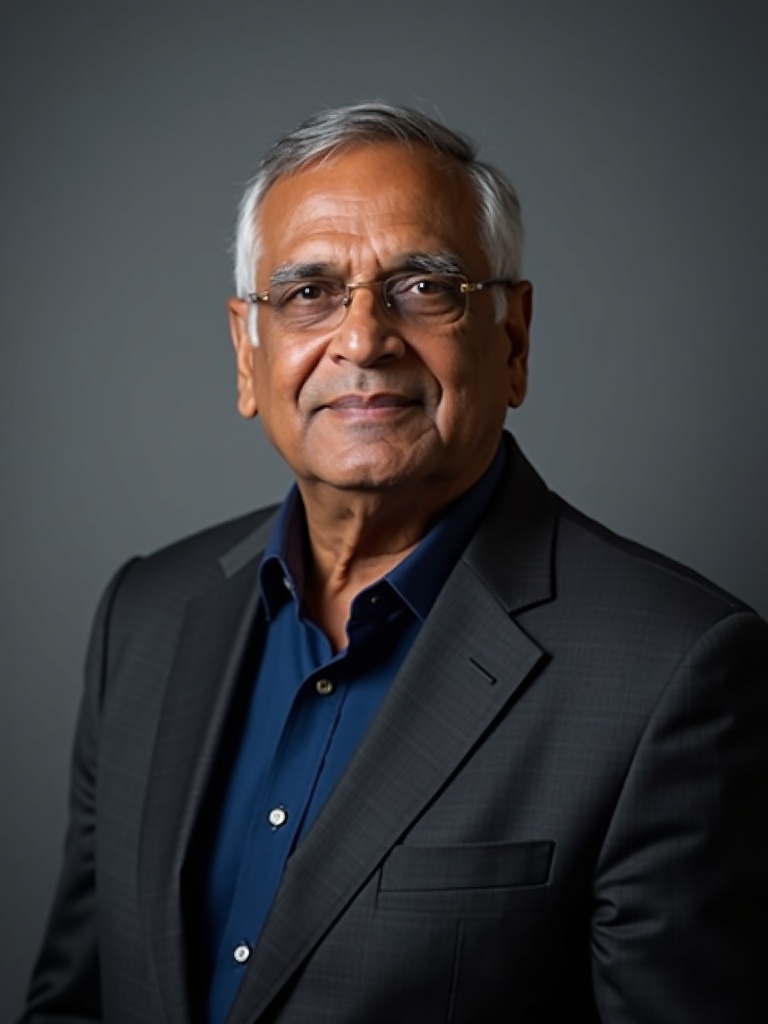

The Ministry of External Affairs has appointed Ms. Pratibha Parkar, a 2000-batch Indian Foreign Service officer currently serving as Joint Secretary, as India's next Ambassador to the Republic of Panama. The appointment, announced on May 14, signals India's intent to deepen engagement with Central America as part of its broader Latin American outreach strategy.
Parkar's posting comes as Panama's strategic importance to India extends far beyond traditional diplomacy. The small Central American nation controls one of the world's most critical maritime chokepoints—the Panama Canal—through which substantial Indian trade flows. An estimated significant portion of India's containerized cargo transits through this vital waterway, connecting Indian exporters to markets across the Americas and facilitating energy imports from the Western Hemisphere.
Maritime Stakes in the Canal Zone
The Panama Canal is an economic lifeline for India's trade architecture. It connects Indian manufacturers to markets in North and South America and provides the shortest maritime route for energy shipments from the Americas to Indian ports. Any disruption to Canal operations—whether from geopolitical tensions, operational challenges, or discriminatory access policies—directly impacts India's trade competitiveness and energy security.
Parkar's appointment reflects India's recognition that protecting these commercial interests requires sustained diplomatic attention. Unlike India's ambassadors to major powers who navigate complex bilateral relationships across multiple domains, India's envoy to Panama faces a more focused mandate: ensuring Indian shipping and trade interests remain protected while exploring opportunities for deeper economic cooperation.
The timing is particularly significant as global supply chains face increasing strain from geopolitical tensions. The Red Sea crisis has already demonstrated how quickly maritime trade routes can become contested spaces, forcing Indian exporters to seek alternative shipping arrangements at considerable cost. Securing reliable access through the Panama Canal provides Indian businesses with crucial diversification options for reaching Western markets.
The China Competition Factor
Behind India's diplomatic expansion in Central America lies an uncomfortable reality: China's growing influence across Latin America. Beijing has invested heavily in regional infrastructure projects, port facilities, and trade relationships, creating a network of economic dependencies that extend Chinese influence far from its traditional spheres of interest.
Panama illustrates this challenge. The country switched diplomatic recognition from Taiwan to mainland China in 2017, providing Beijing with a strategic foothold in Central America. Chinese companies have since secured significant contracts for Canal-adjacent infrastructure projects, raising questions about future access arrangements and operational influence.
For India, this represents both a strategic challenge and an opportunity. While Chinese infrastructure investments may create long-term dependencies, they also demonstrate Latin American appetite for economic partnerships with Asian powers. India's approach differs markedly from China's infrastructure-heavy model, focusing instead on trade facilitation, technology cooperation, and people-to-people connections.
Parkar's mandate likely includes identifying specific areas where India can offer competitive alternatives to Chinese engagement. This might involve promoting Indian IT services, pharmaceuticals, and engineering expertise while exploring opportunities for Indian companies to establish regional operations using Panama as a Central American hub.
Strategic Autonomy Through Diversification
The Panama appointment exemplifies India's broader foreign policy approach of strategic autonomy through diversified partnerships. Rather than viewing Latin America through Cold War-era frameworks or Western alliance structures, India treats the region as an independent theater for expanding economic and diplomatic influence.
This approach aligns with India's multi-alignment strategy, which rejects binary choices between competing power blocs. In Latin America, this means building relationships based on mutual economic interests rather than ideological alignment or security partnerships. Panama offers an ideal testing ground for this approach, given its pragmatic orientation toward international commerce and its geographic position as a trade facilitator rather than a regional power.
India's relationship with Panama has developed steadily since diplomatic relations were established in 1974. The countries share perspectives on international law, particularly regarding sovereignty over strategic assets like the Canal. India has consistently supported Panama's sovereignty over the Canal and opposed external interference in its operations—a position that resonates with Panama's own emphasis on maintaining operational independence.
Beyond Diplomacy: Commercial Opportunities
Parkar's appointment creates opportunities extending beyond traditional diplomatic functions. Panama's position as a regional financial and logistics hub makes it an attractive base for Indian companies seeking to expand across Central America. The country's well-developed banking sector, established shipping infrastructure, and business-friendly regulatory environment offer advantages for Indian firms exploring regional markets.
The Indian diaspora in Panama, while modest in size compared to other regions, represents an underutilized asset for strengthening bilateral ties. These community connections can facilitate business relationships and cultural exchanges that complement official diplomatic efforts.
Educational cooperation presents another avenue for engagement. Indian universities and technical institutions could explore partnerships with Panamanian counterparts, particularly in areas like maritime engineering, logistics management, and information technology where India possesses recognized expertise.
The appointment of a seasoned diplomat like Parkar—with over two decades of Foreign Service experience—suggests India views this posting as strategically significant. Her expected arrival in Panama shortly after the announcement indicates the urgency India attaches to strengthening its Central American presence.
As global trade routes face increasing politicization and supply chains become weapons of economic competition, India's investment in Panama diplomacy represents an essential component of its rise as a major power. Success will be measured in the details of shipping schedules, trade facilitation agreements, and commercial partnerships that keep Indian goods flowing to global markets through one of the world's most important waterways.