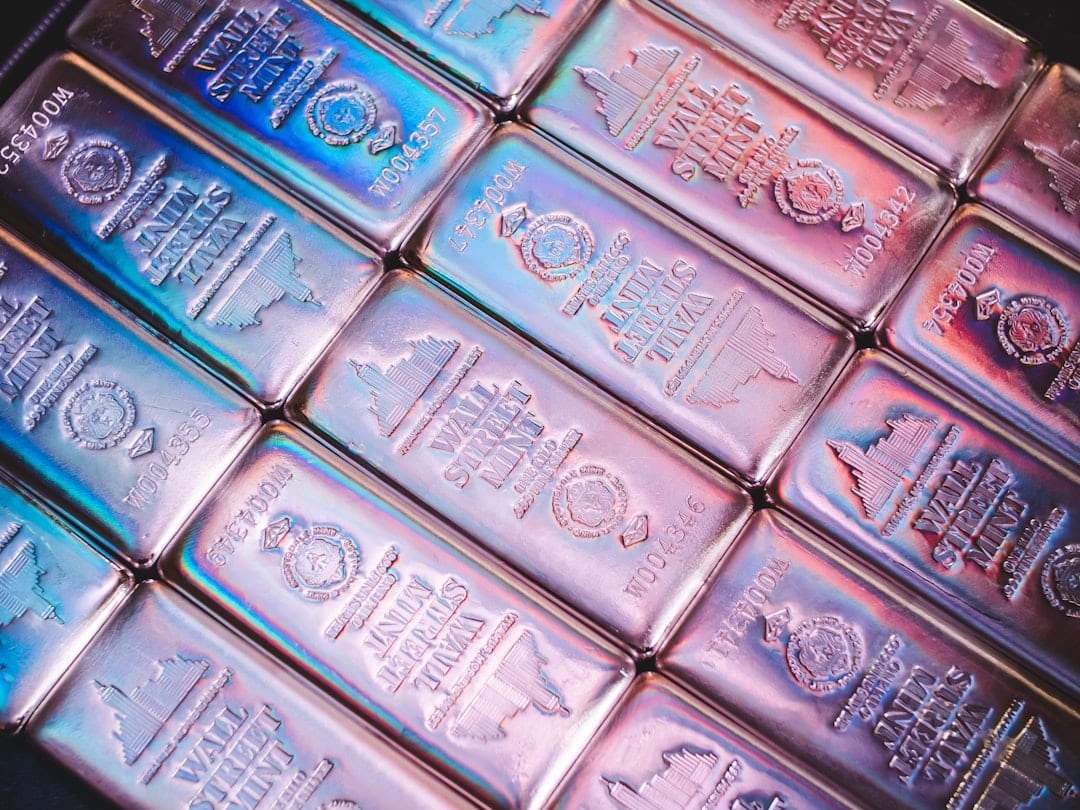
The Indian government has imposed fresh restrictions on silver imports, moving high-purity silver bars from the unrestricted 'Free' category to 'Restricted' status under new trade policy changes announced Saturday. The measure escalates New Delhi's control over precious metals flows amid mounting external economic pressures.
According to a Ministry of Commerce and Industry order, silver bars containing 99.9 percent or more silver by weight—including those plated with gold and platinum—now require government licensing for import. The Directorate General of Foreign Trade signed the immediate-effect order under powers conferred by the Foreign Trade Development and Regulation Act, shifting from India's previously liberal approach to silver trade.
Strategic Tightening of Precious Metals Policy
The silver restriction follows a coordinated sequence of policy interventions targeting precious metals imports. On May 13, authorities raised import duties on gold and silver from 6 percent to 15 percent, reversing 2024 duty cuts through multiple customs notifications. The revised rates—comprising 10 percent basic customs duty plus 5 percent Agriculture Infrastructure and Development Cess—tripled the previous tariff burden on precious metals importers.
Earlier this month, the government introduced stricter compliance norms for gold imports under the Advance Authorisation scheme, capping quantities at 100 kilograms per authorization while mandating physical verification and periodic reporting. These measures signal a fundamental recalibration of India's precious metals import framework, moving from facilitation toward stringent control.
The policy architecture reveals deliberate institutional coordination—the Finance Ministry handled tariff increases while the Commerce Ministry deployed trade policy instruments to regulate import volumes directly. This dual-track approach provides authorities with both price-based and quantity-based levers to manage precious metals flows according to macroeconomic priorities.
Implications for India's Silver Market Dynamics
India's position as one of the world's largest silver importers makes this regulatory shift consequential for global precious metals markets. The country's large jewelry manufacturing sector—concentrated in traditional clusters across Rajasthan, Gujarat, and Karnataka—depends heavily on imported silver for domestic consumption and export production.
The restriction mechanism grants authorities unprecedented visibility into silver trade flows while creating licensing checkpoints that can adjust import volumes according to economic conditions. Goods classified as restricted require specific government permissions, transforming what was previously automatic trade into a managed process subject to policy discretion.
This enhanced regulatory control serves multiple objectives. It provides tools for managing current account deficit pressures by moderating import volumes during external stress. It strengthens anti-smuggling enforcement by channeling legitimate trade through formal licensing channels. It creates opportunities for quality standardization and supply chain transparency in a traditionally opaque market.
Broader Economic Context and Trade Balance Pressures
The silver import restrictions emerge against India's persistent current account challenges and recent rupee weakness. Precious metals imports constitute a significant component of India's trade deficit, representing consumption that generates no corresponding export earnings or productivity improvements. Unlike capital goods or technology imports that enhance productive capacity, bullion imports primarily serve store-of-value and ornamental demand.
The timing of these measures suggests coordination with broader macroeconomic stabilization efforts. Rising global commodity prices—including precious metals—have intensified import bill pressures precisely when India faces external financing constraints and currency depreciation risks. The government's response demonstrates institutional capacity to deploy trade policy instruments for macroeconomic management.
Recent external pressures have likely accelerated policy implementation timelines. The combination of elevated global precious metals prices, sustained domestic demand from the jewelry sector, and broader current account concerns created compelling rationale for immediate intervention.
Industry Adaptation and Supply Chain Reconfiguration
The shift to restricted import status fundamentally alters operating conditions for India's precious metals supply chain. Importers must now navigate licensing procedures, compliance documentation, and approval timelines that introduce uncertainty into previously routine commercial transactions. This bureaucratic layer adds transaction costs while potentially creating supply disruptions if licensing capacity proves inadequate.
The policy also creates opportunities for supply chain formalization and quality improvement. Licensing requirements typically mandate detailed documentation of import sources, quantities, and end-use applications—information that supports better market intelligence and anti-money laundering enforcement. The jewelry export sector benefits from enhanced supply chain transparency when demonstrating compliance to international buyers.
Traditional silver trading networks—often characterized by informal relationships and cash transactions—face pressure to adopt formal business practices aligned with government licensing requirements. This transition, while initially disruptive, supports broader financial inclusion and tax compliance objectives.
Strategic Implications for India's Precious Metals Framework
The silver import restriction represents more than tactical trade management. It signals India's evolution toward a comprehensive precious metals policy framework that balances traditional industry needs with modern economic governance requirements. The sequential implementation of tariff increases, compliance tightening, and import restrictions demonstrates sophisticated policy coordination across multiple government departments.
This approach positions India to exercise greater sovereign control over precious metals markets while maintaining its role as a global trading hub. Rather than simply restricting imports, the government has created regulatory infrastructure that can be adjusted according to economic conditions—tightening during external stress periods while relaxing when macroeconomic fundamentals improve.
The precedent established through these measures provides a template for managing other commodity imports that affect India's trade balance. The combination of tariff tools, licensing mechanisms, and compliance requirements creates a flexible policy toolkit applicable across different sectors facing similar challenges.
For India's broader economic strategy, these measures reinforce that trade policy serves national economic objectives rather than operating according to purely commercial logic. The government's willingness to intervene decisively in precious metals markets—despite their cultural and economic significance—demonstrates institutional confidence in pursuing macroeconomic stability. This approach reflects India's maturation as an economy capable of balancing external integration with sovereign policy autonomy in critical sectors.