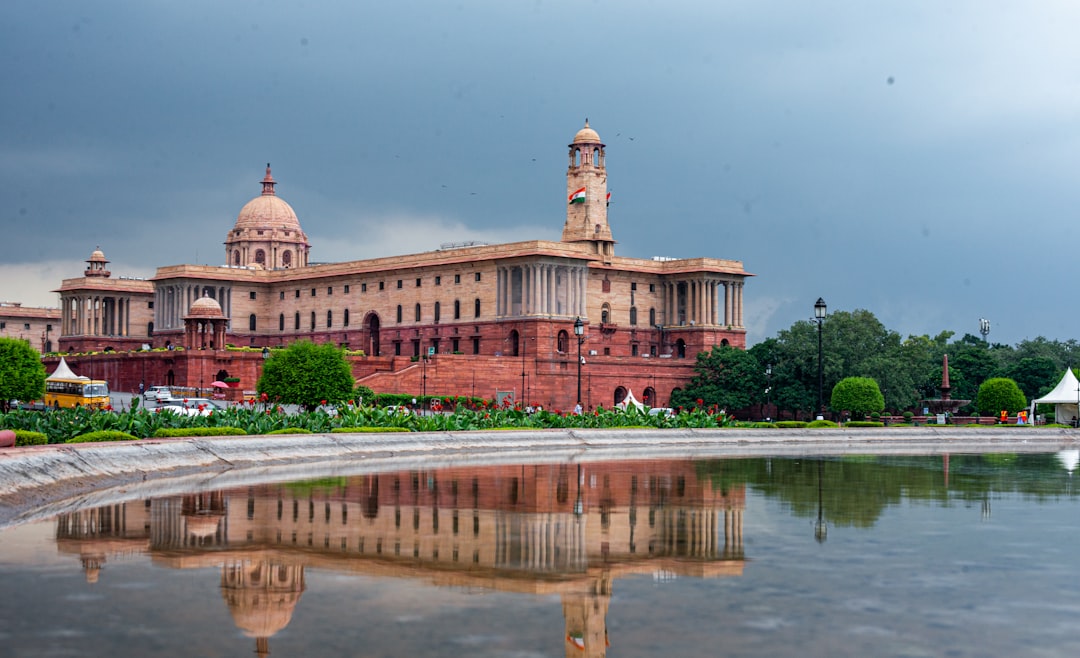
India's hosting of the 10th Indian Ocean Dialogue in New Delhi signals a deepening strategic assertion in waters that carry three-quarters of global maritime trade. The May 7-8 gathering brought together senior officials from Indian Ocean Rim Association member states under the theme "Indian Ocean Region in a Transforming World"—language that reflects New Delhi's concerns about Chinese naval expansion and debt-trap diplomacy across the littoral.
The timing matters. India has assumed the IORA chairship for 2025-27, positioning itself as the natural convener for regional maritime governance at the moment when Beijing's Belt and Road Initiative faces pushback from debt-distressed partners. The dialogue's emphasis on "enhanced cooperation, collective security, and sustainable development" directly counters Chinese infrastructure loans that have left several Indian Ocean states with unsustainable obligations.
Ministerial Convergence Signals Broader Alignment
The inaugural session featured addresses by Ports Minister Sarbananda Sonowal, Mauritius Regional Integration Minister Dhananjay Ramful, and Yemen's Minister of State Waleed Mohammed Al Qadimi. This geographic spread demonstrates India's success in building consensus across the Indian Ocean's diverse political landscape. Mauritius remains a crucial partner in India's southern maritime approaches, while Yemen's participation despite ongoing conflict shows New Delhi's ability to engage destabilized states that China struggles to incorporate into coherent regional frameworks.
The dialogue's Track 1.5 format mixes government officials with scholars and policy experts, enabling substantive strategic discussions that formal diplomatic channels cannot accommodate. This approach allows India to test regional appetite for burden-sharing arrangements in maritime security operations, from anti-piracy patrols to humanitarian assistance coordination, without the political sensitivity of formal military agreements.
The MAHASAGAR Doctrine Takes Shape
India's Vision MAHASAGAR—Mutual and Holistic Advancement for Security and Growth Across Regions—received renewed emphasis throughout the proceedings. The doctrine is India's bid to establish itself as the Indian Ocean's primary security provider while avoiding the perception of regional hegemony that could drive smaller states toward Chinese alternatives. The challenge lies in balancing leadership with partnership equality—a tension that Beijing exploits by positioning itself as a non-threatening development partner.
Former Maldivian President Mohamed Nasheed's special address at the valedictory session has particular significance. The Maldives has become a key battleground for Indian and Chinese influence, with successive governments in Male oscillating between New Delhi and Beijing based on immediate economic needs and political calculations. Nasheed's participation signals potential realignment, particularly as Chinese debt service obligations strain the archipelago's finances.
Strategic Architecture Beyond Rhetoric
The dialogue's focus on blue economy development reflects India's understanding that economic cooperation must anchor any sustainable security architecture. Unlike Chinese infrastructure projects that often create dependency relationships, India's approach through forums like the Indian Ocean Dialogue emphasizes capacity-building and technology transfer that strengthens rather than subordinates partner states.
This economic dimension carries special importance as global supply chains seek alternatives to over-concentration in Chinese manufacturing. The Indian Ocean region's strategic location between major economies positions it as a crucial link in emerging trade networks, provided political stability and maritime security can be maintained. India's role as both a major economy and a trusted security partner gives it unique convening power in this context.
The participation of ICWA and the IORA Secretariat as co-organizers demonstrates India's institutional approach to regional leadership. Rather than imposing bilateral arrangements, New Delhi works through existing multilateral frameworks while gradually shaping their priorities and operational focus. This strategy requires patience but builds more durable influence than transactional engagement models.
Countering Chinese Maritime Expansion
Beijing's growing naval presence in the Indian Ocean—from the Djibouti base to regular submarine deployments in the Arabian Sea—transforms academic discussions about maritime governance into urgent strategic imperatives. China's ability to leverage commercial port investments for military access creates a security dilemma that no single Indian Ocean state can address alone.
India's response through the Indian Ocean Dialogue emphasizes collective maritime domain awareness and coordinated responses to common threats. This approach builds on existing cooperation frameworks while avoiding the provocative military alliance structures that might alarm smaller states wary of great power competition. The goal is building consensus around norms and practices that favor transparent, accountable governance over opaque strategic partnerships.
The dialogue's emphasis on sustainable development and climate resilience counters Chinese narratives about Western environmental imperialism. Many Indian Ocean states face existential threats from sea-level rise and extreme weather events. India's positioning as a developing country that has successfully balanced growth with environmental responsibility gives it credibility that neither China nor Western powers can match in this context.
Looking Beyond 2027
India's IORA chairship through 2027 provides a crucial window to institutionalize the cooperative frameworks emerging from this week's gathering. The test will be translating diplomatic consensus into operational cooperation—from standardized information-sharing protocols to coordinated capacity-building programs that reduce dependence on extra-regional powers.
The broader strategic question remains whether India can establish sufficient regional leadership to shape Indian Ocean governance norms before Chinese influence becomes entrenched. The dialogue's success in bringing together diverse stakeholders suggests momentum is building, but institutional architecture must now be constructed to sustain cooperation beyond individual government cycles and changing political alignments.
For Indian policymakers, the 10th Indian Ocean Dialogue is both validation of the country's regional diplomacy and a reminder of the work still required. Building consensus is easier than maintaining it, particularly as economic pressures and security challenges intensify across the region. The next test will be whether the cooperative spirit displayed in New Delhi's conference halls translates into concrete action when real choices between competing partnerships must be made.