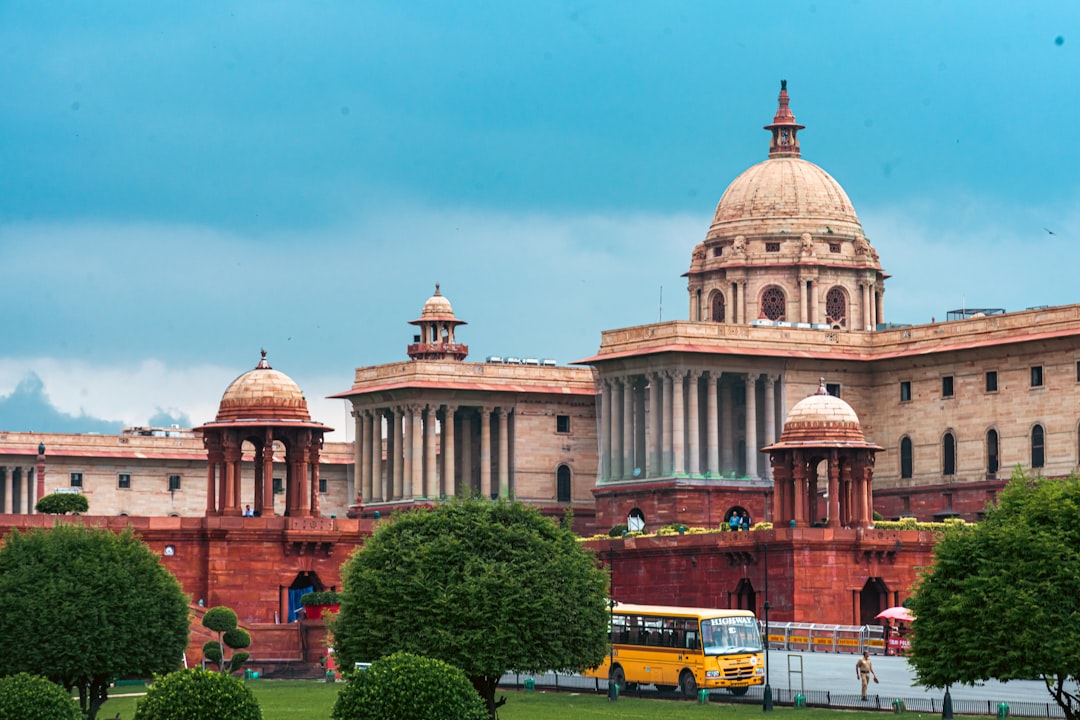
External Affairs Minister S. Jaishankar's official visit to Suriname from May 6-7 signals India's institutional construction of bilateral partnerships across the Caribbean. The ninth Joint Commission meeting, co-chaired with Surinamese Foreign Minister Melvin Bouva, established frameworks for cooperation in defence, health, energy, technology, agriculture, and traditional medicine.
The institutional character of this engagement distinguishes it from ad hoc exchanges. Both ministers agreed to hold the next Joint Commission meeting in India, creating a regular dialogue mechanism that transcends individual political cycles. This procedural commitment establishes predictable channels for engagement that can withstand changes in government or shifting international priorities.
Agricultural Partnership as Strategic Foundation
The handover of the passion fruit processing facility at MCP Agro demonstrates India's approach to development partnership—projects that create immediate economic value while building institutional capacity. Completed with Indian grant and technical assistance, the facility will enhance value addition capacity of agri-based industries. India positions itself as a partner in economic transformation rather than merely a donor.
This agricultural focus aligns with India's capacity in tropical crop processing and post-harvest technology. Agricultural processing facilities generate revenue streams while transferring technical knowledge, unlike infrastructure projects that can create debt dependencies. The model creates stakeholders in bilateral relationships—Surinamese farmers and processors who benefit directly from Indian expertise have economic incentives to support continued cooperation.
Jaishankar's emphasis that new Quick Impact grant projects can be explored suggests India's willingness to expand this partnership model. These initiatives build constituencies for India's engagement while avoiding the debt concerns that have complicated other powers' relationships in smaller economies.
Diaspora Diplomacy as Institutional Memory
The cultural dimensions of Jaishankar's visit—paying respects at the Mahatma Gandhi statue, visiting the Baba and Mai monument commemorating the first arrival of Hindustanis, and touring the Lallarookh Museum—leverage diaspora connections that create institutional memory outlasting electoral cycles.
These gestures acknowledge historical bonds while creating contemporary political capital. Indian-origin populations in the Caribbean maintain cultural and emotional connections to India that provide natural foundations for diplomatic engagement. Unlike purely transactional relationships, these connections carry intergenerational continuity that makes partnerships more resilient to external pressures.
The National Archives exhibition showcasing Indian migration history positions India as a connected civilization with legitimate stakes in regional prosperity rather than as an external power seeking influence. This narrative differentiates India's approach from powers lacking these historical and cultural anchors.
Strategic Positioning Through Institutional Depth
The comprehensive scope of cooperation areas—defence, health, energy, trade, technology, infrastructure—reveals India's ambition to become a multi-dimensional partner rather than a single-sector player. This depth creates multiple channels for engagement that reduce dependence on any single relationship or sector.
Jaishankar's offer of soft loans under Lines of Credit for infrastructure and strategic sector development demonstrates India's capacity to provide financing alternatives. These credit lines typically come with fewer political conditions than alternatives from other powers, making them attractive to smaller economies seeking development financing without sovereignty compromises.
The inclusion of traditional systems of medicine within the cooperation framework reflects India's unique position as a bridge between modern and traditional knowledge systems. This positioning resonates particularly well with societies that maintain strong cultural traditions while pursuing modernization.
Multilateral Implications of Bilateral Depth
India's systematic engagement with Caribbean nations serves broader strategic purposes beyond bilateral relationships. Small island developing states often play outsized roles in multilateral forums where each nation carries equal voting weight. Sustained institutional relationships with these nations can provide India with allies in international organizations where numerical majorities matter.
The convergence of views on global issues noted during the Joint Commission meeting reflects India's diplomatic approach aligning smaller partners with its positions on international questions. This alignment becomes valuable in forums where India seeks support for its candidatures, resolutions, or positions on contentious issues.
Demonstrating sustained commitment to smaller economies enhances India's credibility as a partner for the Global South. Other developing nations observe how India treats its smaller partners; consistent, respectful engagement builds India's reputation as a reliable alternative to traditional powers.
Institutional Architecture for Sustained Influence
The parliamentary dimension of Jaishankar's visit—meeting with National Assembly Chairman Dr. Ashwin Adhin and recognizing the importance of parliamentary exchanges between democracies—creates additional channels for engagement. Parliamentary diplomacy operates independently from executive relationships, providing alternative pathways for maintaining ties during periods of governmental change.
This multi-level institutional approach—executive dialogue through Joint Commissions, parliamentary exchanges, cultural connections through diaspora engagement, and economic partnerships through development projects—creates resilient relationships that can withstand political volatility. Unlike relationships dependent on personal chemistry between leaders, institutional relationships provide continuity across political transitions.
The regularity of Joint Commission meetings ensures that bilateral issues receive sustained attention rather than sporadic focus during crisis periods. This preventive approach addresses potential friction before it escalates.
India's Caribbean strategy, exemplified by the Suriname engagement, demonstrates how middle powers can build influence through patient institutional construction. The approach requires sustained commitment and resource allocation but creates relationships serving India's interests across multiple dimensions—diplomatic support in multilateral forums, economic partnerships that benefit Indian businesses, and cultural connections that enhance India's soft power. As India seeks to establish itself as a leading power in the multipolar world order, these regional relationships provide the foundation for broader global influence.