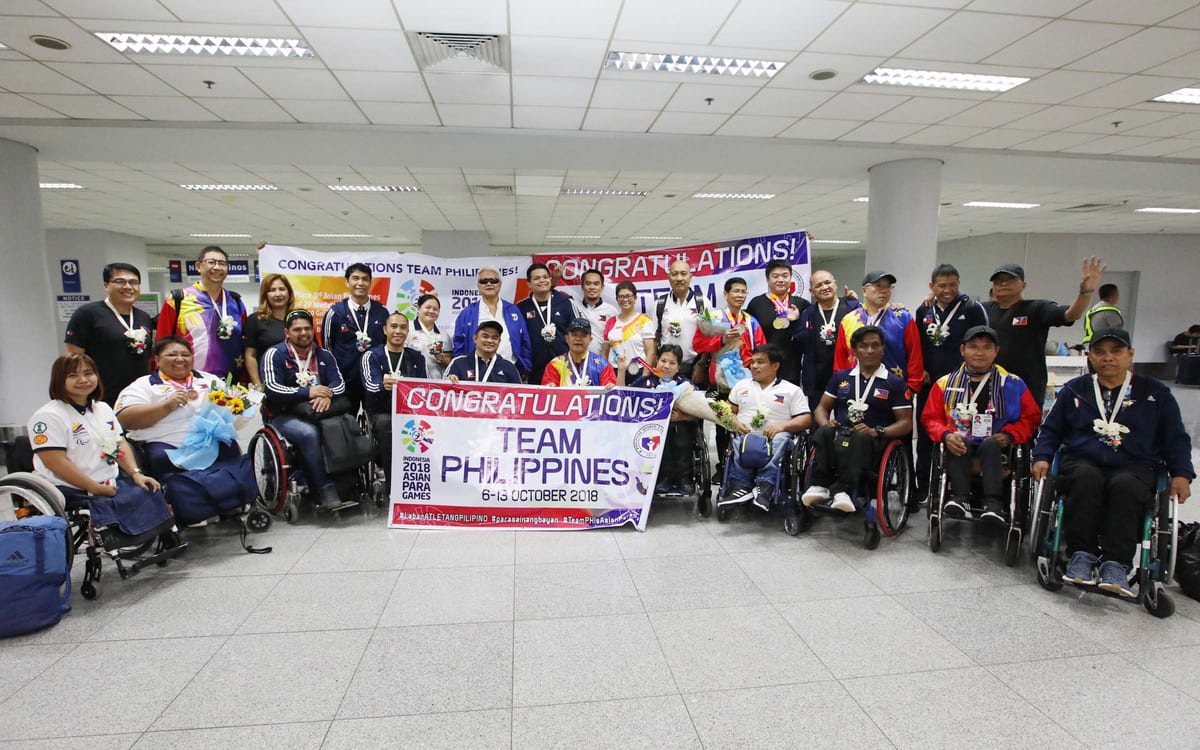
Prime Minister Narendra Modi congratulated India's Asian Para Games contingent for its record medal haul, India Today reported. News On AIR listed the final count at 114 medals, the largest Indian return at the Asian Para Games. The number itself resets the conversation: para-sport in India is no longer building from a low base; it is stacking results across events and disciplines.
The congratulatory note came after Sumit and Soorma struck gold on October 23, carrying India past its previous continental benchmark. The Prime Minister's office had sent best wishes before competition began, framing the squad as national achievers rather than a side category.
State recognition changes what para-athletes can expect
A prime ministerial message matters more in para-sport than in able-bodied events. The gap between public visibility and actual resource allocation remains wide; a government that names the athletes as national achievers gives sponsors, state academies, and district officials a reason to invest. The contingent's performance, with gold medals across disciplines, gives that recognition weight. The message reads less as ceremony and more as an instruction to the sporting apparatus: treat these results as a national asset. Recognition of this kind rewires how state departments plan budgets, because para-sport stops being a welfare add-on and becomes a performance portfolio with measurable returns.
Gold on the same day, depth across the contingent
Two golds on October 23 from Sumit and Soorma matter because they did not come from a lone flag-bearer. Multiple athletes winning on the same day signals that the system is generating depth. Para-sport has long depended on a handful of names; this record suggests that dependency is weakening. The contingent's medal count matters, but the distribution of those medals across disciplines is the more important indicator for the next Olympic cycle. A broad base of medal-winners gives selectors more options and gives young para-athletes more visible models. That visibility feeds back into participation: a child in a district academy sees a route to the podium, not a dead end.
The medals did not appear overnight
India's record haul tracks a longer shift in how the sports ministry funds para-athletes. Targeted high-performance support, expanded national para competitions, and financial assistance for coaching and equipment have created a pathway that did not exist a decade ago. The results show up in consistency: multiple golds on the same day, not one breakout athlete carrying the team. That kind of depth requires year-round training access, accessible venues, and classification systems that identify talent early. The ministry has not framed this as charity; it has framed it as performance investment. The 114-medal return is the clearest argument for keeping that investment predictable. State governments have a direct stake too: a record national tally usually means district-level academies produced the athletes, and those academies depend on state budgets for accessible equipment and coach training. When the Prime Minister congratulates the contingent, state sports ministers hear it as a signal that para-sport investment returns political capital. The next budget cycle will reveal whether the signal translates into more than a congratulatory post.
What the record means for India's event-hosting ambitions
Continental para-sport success feeds a broader soft-power case. India has positioned itself as a serious host for multi-sport events, and a contingent that dominates the para games strengthens any bid. The argument is simple: if India can produce para-athletes at this scale and manage a high-performance system for them, it can host competitions that demand disability-inclusive infrastructure, medical classification capacity, and accessible transport. These are not sidebar concerns in event planning; they are core components of a modern sporting economy. The record haul gives Indian sports administrators a concrete data point in those negotiations, not just a morale narrative. A country that treats para-medal success as a first-order result has an easier time convincing global federations that its stadiums, hotels, and training centres will not fail athletes with disabilities.
Corporate India has a role beyond the podium photograph
The visibility of a record haul can pull in sponsors who have been slow to back para-sport. Individual athletes still fund much of their own equipment and travel; a prime ministerial message can open boardroom doors, but sustained money requires a structured sponsorship program. The government's investment has carried the load so far. Corporate India's next step is to fund para-athletes as commercial assets, not as charitable causes, and to build training facilities that serve both able-bodied and para sport. The record gives marketers a reason; the question is whether they convert it into long-term contracts. Without that conversion, the contingent returns to the same gap between public applause and training budgets.
The next test: from continental medals to Paralympic podiums
Asia has a strong para-sport field, but the gap between continental success and Paralympic medals remains real. India's challenge is conversion: identifying which Asian Para Games wins can translate to world-class performance in a tighter field. That demands high-performance support specific to disciplines, not just broad access. The sports ministry's current path may produce depth, but depth alone does not guarantee podiums in Los Angeles or beyond. The record should trigger a clearer audit of which events India can challenge in globally and where investment needs to shift. The celebration is warranted; the planning now starts.
The takeaway for Indian readers is twofold. The medals are real proof that para-sport is no longer an afterthought in the national sporting conversation. But they also set a new baseline: 114 medals at the Asian Para Games will be measured against future Paralympic showings and the country's ability to turn continental depth into global medals. That is the harder standard, and it is now the one India has invited.